

Interesting
10 Fascinating Facts About the Human Nose You Probably Never Knew
From memory-triggering scents to the surprising reason nose hairs are essential, discover the science, mysteries, and remarkable abilities of the human nose
- Shira Dabush (Cohen)
- | Updated
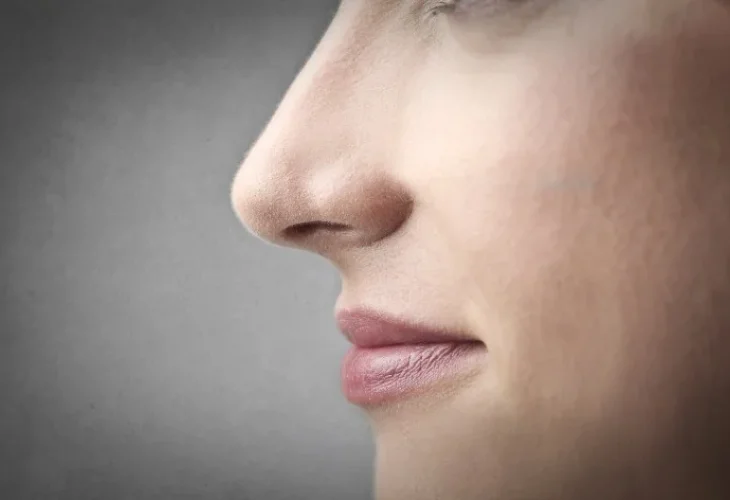
Sociologists, historians, and others believe that the nose is not only a symbol of beauty and aesthetics, but also a sign of innate strength and power. Research findings show that the human nose has a phenomenal sense of smell and is capable of identifying up to one trillion different scents. Although the shape of the nose is mostly formed by around age 10, for some people the process continues into later years. In women, nasal development can continue until about age 17, while in men it may continue until around age 20. Sneezing loudly, sneezing quietly, or sneezing together with a cough — did you know that different sneezing styles are significantly influenced by inherited genetic traits? “The decline of generations”: a decrease in collagen and elastin levels in the skin can cause the nose to droop downward over time. Doctors identify this as part of the skin’s natural aging process. Nose hairs are not just decorative. The air entering through the nose often carries bacteria and microscopic particles such as dust. The hairs inside the nostrils are designed to block these particles and help prevent foreign substances from entering the respiratory system. Have you ever wondered why certain smells trigger memories and emotions? It is likely because the sense of smell is the only sense directly connected to both the hippocampus — the part of the brain involved in memory formation, and the amygdala, which connects memories with emotions. Medical insurance for the nose? Such a thing actually exists. Some people — especially those whose professions involve smelling perfumes or wines, insure their noses. A Dutch winemaker named Ilja Gort, for example, reportedly insured his nose for eight million dollars. Seasonal changes, allergies, nose picking, and the use of blood-thinning medications can all cause nosebleeds. Some people may even experience nosebleeds from a mild cold, although this is less common. It is important to know that many common remedies have been proven ineffective and can sometimes even be harmful. The best advice is to sit down and lean forward with the face pointing downward for about ten minutes. This allows the blood to flow out freely rather than backward into the throat. Afterwards, it is recommended to place a cold compress or ice pack on the bridge of the nose. If the bleeding still does not stop, medical attention should be sought. One of God’s kindnesses is that the human nose was not created to detect certain deadly gases. The gas commonly used for cooking is a good example. Because of this, gas companies add a substance called mercaptan to natural gas so that, in the event of a leak, people can detect the danger in time rather than relying on the natural limitations of the sense of smell.

