

Raising Children
How to Talk to Young Children About the Destruction of the Temple
Practical parenting guidance for discussing pain, loss, hope, and emotional resilience with children in an age-appropriate and healthy way during the Three Weeks and Tisha B’Av
- Shira Friant
- | Updated
The Three Weeks remind all of us of the destruction of the Holy Temple, but many parents wonder how to speak about such a painful subject with young children.
Pain, loss, and destruction are not topics children encounter every day. Still, it is important to introduce these ideas in an age-appropriate way that helps strengthen their emotional resilience from an early age.
Following are several practical guidelines for having a healthy and sensitive emotional conversation with children about the destruction of the Temple and the hope for rebuilding.
1. Adjust the Conversation to the Child’s Age
For preschool-aged children (3–6), it is enough to explain that there was once a very holy place in a special city, but something happened and it was destroyed. Focus on the hopeful idea that we are waiting excitedly for it to be rebuilt.
For children ages 6–9, you can expand a little more about the sadness of the Jewish people, explain that difficult times happened in the past, and encourage the child to ask questions.
Experts recommend avoiding overly harsh details. Leave room for positive imagination and end the conversation on a hopeful note.
2. Allow Them to Ask Questions and Respond in Their Own Way
Do not rush to provide long prepared answers. Children often process emotions through questions, play, and drawings. Give them space to describe how it feels to think about the destruction of a holy place or walls being broken down.
Keep in mind that one child may react with humor, while another may become quiet. Every reaction is legitimate.
3. Connect the Idea to Their Personal World
To help children understand destruction and rebuilding, try using examples from everyday life, such as:
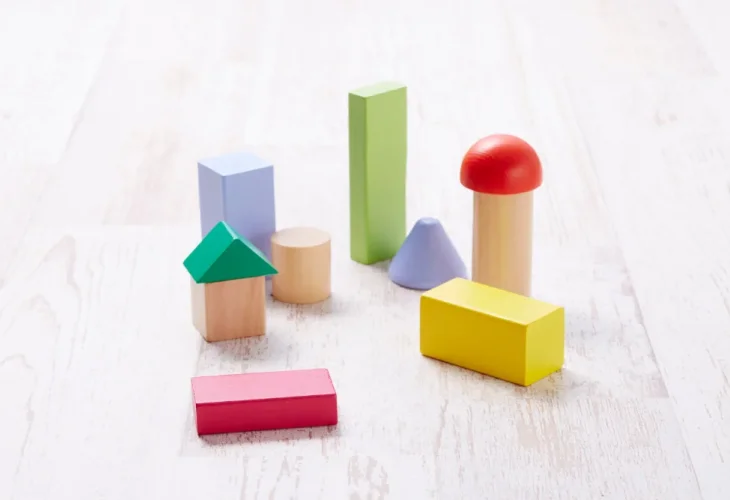
A tower of blocks that falls and is rebuilt.
A plant that wilts but grows again after being watered.
A piece of furniture that breaks and is repaired.
These examples help children understand that destruction is not always the end, but can also be part of a process of repair and growth.
4. Strengthen Their Sense of Belonging and Hope
At the end of every conversation, remind the child:
Even when difficult things happen in the world, we are part of a people that continues to live, build, and move forward.
We are never alone — Hashem is always with us, and we have family, community, and faith.
5. Make the Conversation Tangible
To help children connect emotionally, you can do an activity together, such as:
Drawing a picture of the Holy Temple.
Building a wall from blocks and then “destroying and rebuilding” it.
Reading a chapter of Psalms together or learning a simple law connected to the Temple.
Pain is part of life, but children do not have to experience it as something frightening or final. When we speak with them in a sensitive and age-appropriate way, we are not only teaching them about the past, but we are helping them develop the emotional tools to face future challenges with strength and hope.

