

Raising Children
How to Create a Good Deeds Chart for Children Before Rosh Hashanah
A simple and meaningful Rosh Hashanah activity that teaches children kindness, gratitude, responsibility, and emotional awareness through daily good deeds during the month of Elul
- Shira Dabush (Cohen)
- | Updated
Elul is already here, and before long Rosh Hashanah will arrive — a holiday many Chassidim lovingly call “Rosh HaShoneh,” the “Head of Change.”
As we prepare spiritually for the holy days through reflection and personal growth, this season can also become a meaningful learning opportunity for younger children who are still too small to fully understand concepts like soul-searching and repentance.
For adults, conversations about repentance, forgiveness, kindness, and self-improvement can feel deep and complicated. But with children, it is often much easier to plant small seeds of meaning and awareness through simple, hands-on experiences — like creating a “Good Deeds Chart.”
What Is a Good Deeds Chart?
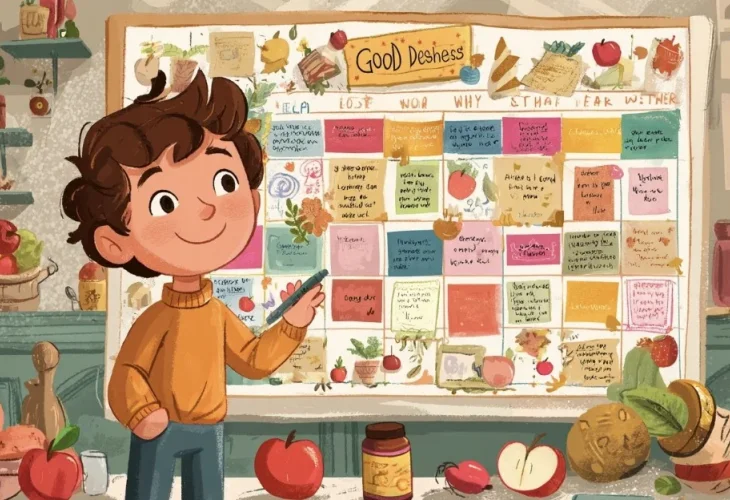
A Good Deeds Chart for Rosh Hashanah (and beyond) is a simple but powerful educational tool that connects children to values such as kindness, generosity, sensitivity, self-awareness, and personal choice through an experience that is joyful, colorful, and deeply personal.
It helps children feel capable, responsible, and successful — without long lectures or complicated explanations.
Each day, a child chooses one small good deed they are able to do, and then marks it on the chart in some way afterward.
For parents and educators, this is an opportunity to pause the rush of daily life and bring real emotional and spiritual meaning into these special days — even for children who are still very young.
Between preparing meals and shopping for holiday clothes, we can take five minutes a day to ask:
“What did I do today that helped someone else?”
“Where did my heart go today?”
Questions like these are a gift of awareness — both for our children and for ourselves — and they can stay with children for the rest of their lives.
How to Create a Good Deeds Chart
Step 1: Prepare the Chart
Take a poster board or large A3 sheet of paper.
Divide it into days (for example: the 10 days before Rosh Hashanah, or one full week).
Write a large title at the top: “My Good Deeds Chart for the New Year.”
Create boxes or rows for each day.
Let the children decorate the chart with stickers of apples, pomegranates, honey, hearts, nature symbols, or drawings they create themselves.
Step 2: Daily Choices and Tracking
Each day, the child chooses one good deed they want to do.
It can come from your list of suggestions or be their own idea.
At the end of the day, they mark the deed on the chart using a drawing, sticker, star, sentence, or short note about the good thing they did.
Ideas for Good Deeds Children Can Choose
Say something kind to a friend, brother, or sister
Hug someone who feels sad
Share a toy or something that belongs to me
Draw a greeting card for a teacher or elderly neighbor
Help set the table without being asked
Pray for someone who is sick
Stay quiet and wait patiently while someone else is speaking
Pack up my school bag on my own
Say “thank you” for things I have at least five times during the day
Apologize without being told to say sorry
How to Make the Chart More Meaningful
Have a Short Daily Conversation
At the end of the day, perhaps during dinner, ask:
“How did you feel when you did that good deed?”
“Was it easy or difficult?”
Lead by Personal Example
Parents can join too and update the chart alongside the children with their own good deeds.
Create a Small Closing Ritual
On the last day before Rosh Hashanah, gather together briefly, read the good deeds aloud, express gratitude, or create a small blessing ceremony with a candle.
Take a Photo for Memory
Photograph the completed chart and send it to grandparents, teachers, or classmates. This gives children a sense of pride and encourages them to continue doing good deeds — even when they are no longer being recorded on the chart.

