

Jewish Law
Practical Ways to Increase Ahavat Yisrael and Jewish Unity During Difficult Times
Simple daily acts of kindness, compassion, and connection that can bridge divides between religious and secular Jews and strengthen love, peace, and unity among the Jewish people
- Shira Dabush (Cohen)
- | Updated
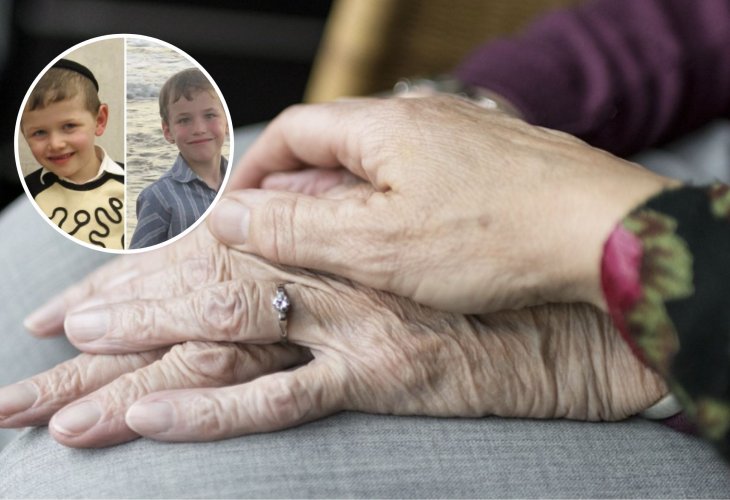
Following a difficult tragedy of the passing of two brothers, Rabbi Baruch Rosenblum said that specifically in moments of pain and tragedy, the Jewish people must strengthen unity — religious, secular, and traditional Jews together, and ignite greater love for one another despite our differences.
How do we actually do that? How can people bridge deep disagreements and still genuinely love each other?
Following are several practical ideas that anyone can begin implementing right now in order to create greater love, brotherhood, peace, and friendship among the Jewish people — with the hope that every good deed and every sincere personal commitment will help bring redemption and Mashiach closer.
If you pass by a neighbor — whether religious or secular — make an effort to greet them warmly first.
Show more interest in other people, not only when you need something from them.
Open your heart to connecting not only with family and close friends, but also with people you barely know.
Every city has organizations that distribute food to needy families. Become more involved in helping others — especially through providing food. Whether by helping organize food packages or cooking meals for struggling families, every effort matters.
Brighten your face for people you meet on the street. Let people encounter your smile instead of a frown. Throughout the day, notice your facial expression: are you radiating warmth or carrying heaviness? Try to consciously soften and brighten it.
Some “poor people” do not need food or clothing — they need encouragement, advice, appreciation, compliments, or kind words. Do not withhold those things from people around you. Sometimes a person’s body is full while their soul is starving. Give compliments generously. Express gratitude and appreciation freely — whether you are an employer or employee, you can bring goodness into another person’s life.
Even if your neighbor looks different from you or sees the world differently, do not look at them with contempt. We are all children of one Father, and God loves all His children equally. Pray for others spiritually if you wish, but meanwhile, choose to love them as they are right now.
Make a personal decision to become a better and more God-fearing person each day.
Bring joy to God every day through one act done sincerely and selflessly for the sake of Heaven.
Accept upon yourself to avoid speaking lashon hara (negative speech). If you fail, fine yourself 50 shekels to donate to charity or Torah scholars each time.
Do not spend your day filling your heart with resentment. Do not hate people or look for ways to take revenge or hold grudges — not against a boss, a neighbor, a jealous acquaintance, or anyone else. If you feel someone hurt you, pray for them instead of hating them. Pray that God softens their heart and fills it with goodness and love. Wish no evil upon anyone — only good.
There are also many simple acts of kindness that anyone can easily do:
Give a few coins to charity every day and dedicate the merit for the wellbeing and good news of all the Jewish people.
If God has blessed you financially, consider opening a free-loan fund to help people in need without interest.
Establish a lost-and-found kindness initiative to help people recover lost belongings.
If you hear about someone hospitalized, do not assume someone else will visit them. Visiting the sick is one of the great mitzvot in Judaism. Take the time to visit. Bring fruit or something small that may brighten their day.
If God blessed you with a home, try to welcome guests whenever possible, especially on Shabbat.
If you have leftover food from meals or Shabbat, do not throw it away unnecessarily. There are elderly, disabled, and struggling people who would be grateful for prepared food. Check with local kindness organizations to see how extra meals can reach those who truly need them.
Sometimes unity begins not with dramatic speeches, but with small daily choices such as a greeting,
a smile, a kind word, a softened heart, or one extra act of kindness done quietly for another Jew.

