

Raising Children
Your Kid’s Backpack: Treasure Chest or Traveling Trash Bin?
What starts as a messy school bag can reveal surprising insights about your child’s world. Here are simple ways to turn backpack battles into moments of connection.
- Yehudit Winterveib
- | Updated
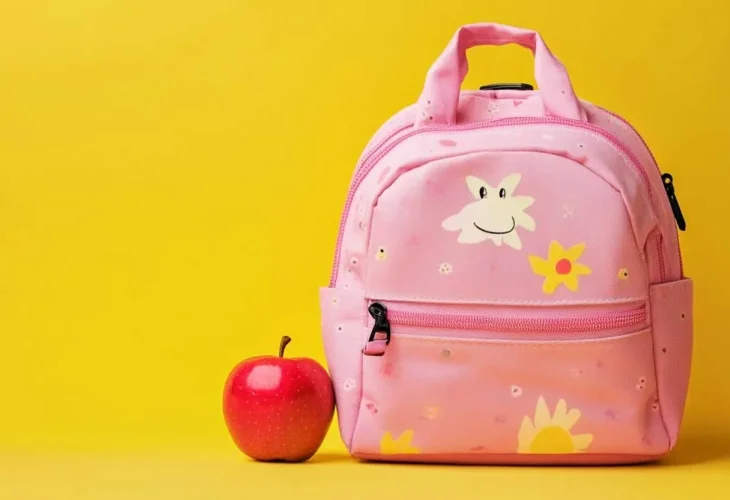
The first time I discovered an apple so old it probably should have been classified as a biological hazard was when my oldest daughter started first grade.
One morning, I opened her backpack to slip in a fresh sandwich and suddenly froze. Sitting at the bottom of the bag was something unrecognizable. I stared at it. It stared back at me. Was it food? Was it science? The smell answered the question before I could. That apple had long ago stopped being an apple and developed an identity of its own.
Then I found a plastic container.
Inside was half a cheese sandwich. At least, it used to be cheese. The white color had transformed into an alarming shade of green. At that point, I wondered whether we were accidentally developing a brand new antibiotic in our home kitchen.
As I dug deeper into the backpack, the discoveries became even stranger: a headless doll, a broken pen, an old plastic bracelet, crumpled papers, mysterious wrappers, and enough random treasures to fill a small museum.
I stood there completely stunned, asking myself one question:
Is this a school backpack or a national archive?
The Backpack Is More Than Just a Backpack
My daughter looked at me innocently and explained, “I didn’t want to lose it, so I put it in my bag.”
Instead of getting upset, I burst out laughing.
Because in that moment, surrounded by crumbs, papers, and mystery objects, I realized something important: life is full of little messes and surprises, and what truly matters is how we respond to them.
Suddenly, the backpack felt like more than just a school bag. It was almost like a portable hard drive where everything gets stored, including the unnecessary things no one meant to carry around.
And honestly, are we adults really so different?
How many of us walk around carrying our own “inner backpacks” filled with old worries, unfinished thoughts, emotional clutter, and leftovers from the journey? In many ways, our children’s backpacks are simply a small reflection of ourselves.
A Backpack Can Teach Life Skills
Every mother knows the feeling. You open a backpack and discover a complete mystery world inside: papers, snacks, treasures, forgotten assignments, and plenty of chaos.
But a backpack is not just a bag. It can also become an opportunity to teach children responsibility, organization, and emotional awareness. More importantly, it can become a chance to strengthen connection instead of creating another daily argument.
Because at the end of the day, our relationship with our children matters far more than a perfectly organized backpack.
Simple Ways to Make Backpack Organization Easier
Create a Shared Routine
Choose a regular time each week to organize the backpack together. Empty everything out together: papers, food containers, notebooks, and supplies.
The goal is not “I’ll clean it for you,” but rather “Let’s do this together.” That shared process teaches responsibility while creating teamwork and connection.
Respond With Curiosity Instead of Anger
When you discover something strange inside the bag, try asking gently:
“How did this end up here?”
“What’s the story behind this?”
A calm question opens the door to conversation. Criticism usually shuts it immediately. When children feel safe instead of embarrassed, they are much more likely to share honestly.
Gradually Give Your Child Responsibility
At first, organize the backpack together. Over time, allow your child to take ownership of more tasks, like deciding what to throw away or which books are needed for the next day.
Small responsibilities at a young age help build independence and confidence later in life.
Use a Simple Backpack Checklist
A checklist by the desk can save endless morning stress.
Write down everything your child needs each day: notebooks, lunch, water bottle, tissues, homework, and any extra supplies. Reviewing the list each evening helps children develop responsibility and organization skills naturally.
Give Everything a Proper Place
Designate one section of the backpack specifically for food so crumbs and spills do not spread everywhere. Assign fixed spots for important items like pencil cases and water bottles.
Simple habits create lasting order.
Schedule a Monthly Backpack Reset
Once a month, take a few minutes for a deeper clean. Shake out crumbs, wipe down the bag, and remove unnecessary clutter.
A clean backpack simply feels better to open and use each day.
Looking Beyond the Mess
Sometimes the mess inside a backpack tells a deeper story.
A child who keeps every little object may be struggling to let go. A child who avoids emptying notebooks might be overwhelmed or distracted. Often, the backpack itself is not really the problem. It is simply a small clue to what a child may be feeling internally.
And perhaps this lesson applies to adults too.
In life, we all carry around our own “green apples” and “headless dolls”: unfinished dreams, fears, cluttered thoughts, and plans we never fully sorted through.
The goal is not perfection.
The goal is learning how to slowly create order from the chaos while staying connected to ourselves and the people we love most.

