

Health and Nutrition
New Study: Plant-Based Diets May Lower Inflammation
A large review of clinical studies found that plant-based diets may significantly reduce inflammation markers linked to long term health risks.
- Yitzchak Eitan
- | Updated
The connection between nutrition and inflammation in the body continues to grow stronger, and a new large scale analysis is adding more evidence to the conversation.
A recent study published on Earth.com reviewed dozens of clinical trials and found that plant-based diets consistently lowered levels of CRP, a key marker of inflammation produced by the liver.
Researchers found that switching to a plant-based diet reduced CRP levels by an average of 1.13 mg/L, a change significant enough in some cases to move people from a higher risk category into a lower one.
Why Inflammation Matters
Inflammation is a natural part of the immune system’s defense process. But when inflammation becomes chronic and long lasting, it has been linked to a wide range of health problems, including heart disease, diabetes, and other chronic illnesses.
CRP levels are often used by doctors as a way to measure inflammation inside the body. Higher levels can signal increased long term health risks.
What the Researchers Studied
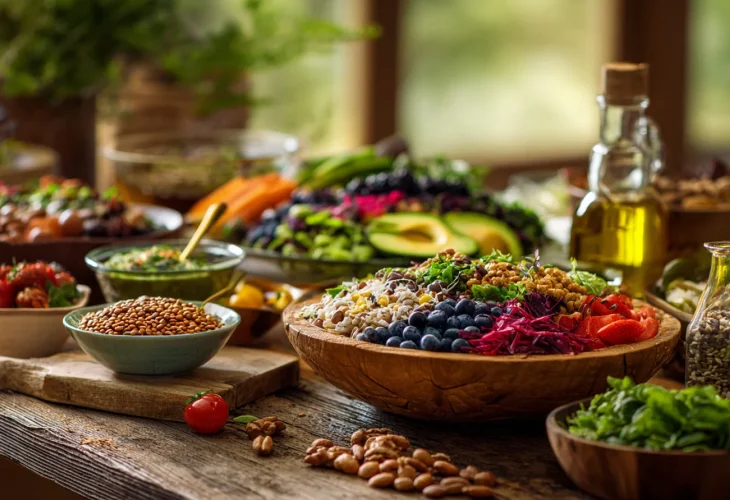
The diets examined in the analysis focused primarily on whole plant foods, including:
- Vegetables
- Fruits
- Legumes such as lentils and beans
- Whole grains
- Nuts and seeds
Researchers believe several factors may explain the anti inflammatory effect.
The fiber found in plant foods feeds beneficial gut bacteria, which then produce compounds that help regulate and calm the immune system. Plant foods also contain antioxidants and protective compounds that may reduce oxidative stress and cellular damage.
In addition, replacing animal fats with plant-based fats lowers intake of saturated fat, which has been associated with higher inflammation levels.
Diet and Exercise Work Best Together
The researchers also found that nutrition alone was not the full story.
While dietary changes by themselves lowered CRP levels by roughly 0.94 mg/L, combining a plant-based diet with physical activity produced an even larger drop: approximately 1.46 mg/L.
Exercise appears to help the body process sugars and fats more efficiently, reducing some of the factors that contribute to chronic inflammation.
Not Every Plant-Based Diet Is Healthy
At the same time, researchers caution that simply removing meat does not automatically create a healthy diet.
A diet filled with highly processed foods, excess sugar, or refined snacks may still contribute to poor health, even if it is technically vegetarian or vegan.
The strongest benefits were linked specifically to whole, minimally processed foods that provide steady energy and higher nutritional value.
Small Changes Can Have Long Term Benefits
Researchers say the findings reinforce a simple but important message: increasing the amount of whole plant foods in everyday meals may support long term health and help reduce inflammation over time.
That does not necessarily require dramatic changes overnight.
Sometimes small steps, like adding more vegetables, legumes, oats, nuts, or whole grains to daily meals, can gradually make a meaningful difference for heart health, energy levels, and overall wellbeing.

