

Raising Children
How to Respond to Children’s Tantrums: Calm Parenting, Emotional Regulation, and Healthy Boundaries
A practical and compassionate guide to understanding childhood tantrums, helping children manage overwhelming emotions, setting healthy limits without anger, and building long term emotional resilience
- Tehila Cohen
- | Updated
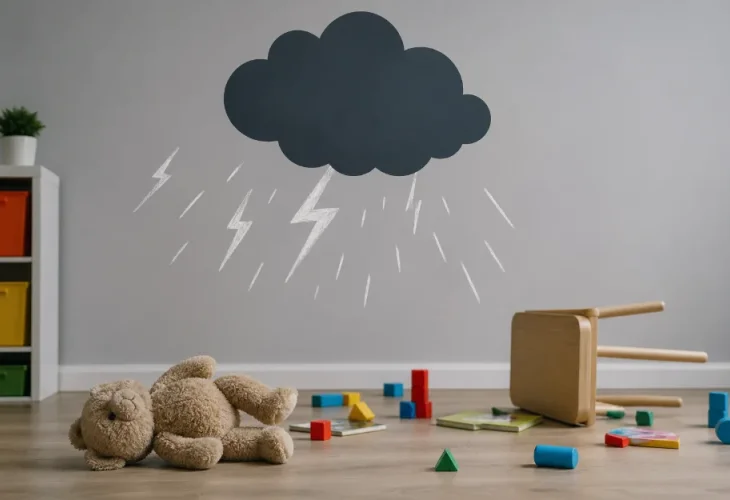
All parents are familiar with their children’s tantrums and emotional explosions that seem to arrive without warning.
Outbursts of anger are a natural part of childhood development. They can appear as intense crying, screaming, throwing objects, or complete refusal to cooperate.
In those moments, parents often feel helpless. It is very easy to become angry, stressed, or reactive ourselves.
But paradoxically, it is precisely in these difficult moments that the parent’s response holds the greatest potential for positive change.
Tantrums Are Usually Not “Manipulation”
The most important starting point is understanding that most tantrums are not acts of deliberate defiance. In most cases, the child is experiencing emotions they simply do not yet know how to manage.
Fatigue, frustration, hunger, disappointment, overstimulation, or emotional overload can erupt suddenly because the child still lacks the emotional tools to express those feelings in a healthier way.
The First Step: Pause
The parent’s first response should be to pause.
Do not rush to punish. Do not immediately yell back. Do not try to force the situation to stop through pressure or power struggles.
First, take a deep breath. A calm parent helps create a calmer child.
Stability Is More Powerful Than Anger
The next step is to project stability.
A calm voice, quiet confidence, steady presence, and reassuring words such as:
“I’m here.”
“I can see that this is really hard for you.”
can help the child feel emotionally safe within the storm they are experiencing.
This does not mean approving of the behavior, but recognizing the emotion behind the behavior. For children, that emotional validation is deeply regulating.
Why Teaching During the Tantrum Usually Does Not Work
During an emotional outburst, the child’s brain is overwhelmed. At that moment, the child is generally not emotionally available to absorb explanations, lessons, criticism, or lectures.
Trying to educate in the middle of the meltdown is generally ineffective, and the healthier approach is to wait until the emotional storm settles.
Only afterward, once the child has calmed down, can parents return to what happened, discuss it calmly, and help teach healthier ways to respond in the future.
Understanding Feelings Does Not Mean Removing Boundaries
At the same time, clear boundaries remain essential.
If the tantrum includes aggression, throwing objects, hitting, or crossing serious boundaries, the behavior should be stopped clearly and calmly.
Not with rage or humiliation, but with calm firmness and consistency.
The message should remain simple: “Your feelings are understandable. But this behavior is not acceptable.”
Children need both empathy and boundaries at the same time.
Prevention Is Often the Strongest Tool
One of the most important parenting tools is learning to recognize early warning signs before the emotional explosion fully erupts.
Many tantrums are preceded by signals such as:
Fatigue
Irritability
Emotional sensitivity
Restlessness
Low frustration tolerance
When parents learn to notice these signs early enough, they can often intervene before the situation reaches its peak.
Sometimes a small moment of connection, rest, food, reassurance, or emotional attention can prevent the entire escalation.
The Goal Is Emotional Growth
Tantrums are not only difficult moments. They are also opportunities.
Over time, when children repeatedly experience calm, regulated, emotionally safe responses from adults, they slowly begin internalizing those same emotional regulation skills themselves.
The deeper goal of parenting is not merely stopping difficult behavior in the moment, but helping children gradually learn how to understand, express, and manage their emotions in healthier ways throughout life.

