

Interesting
Why We Call It That: Everyday Words With Surprising Backstories
Why is peanut butter called “butter,” and what exactly is “non-soap”?
- Hidabroot
- | Updated
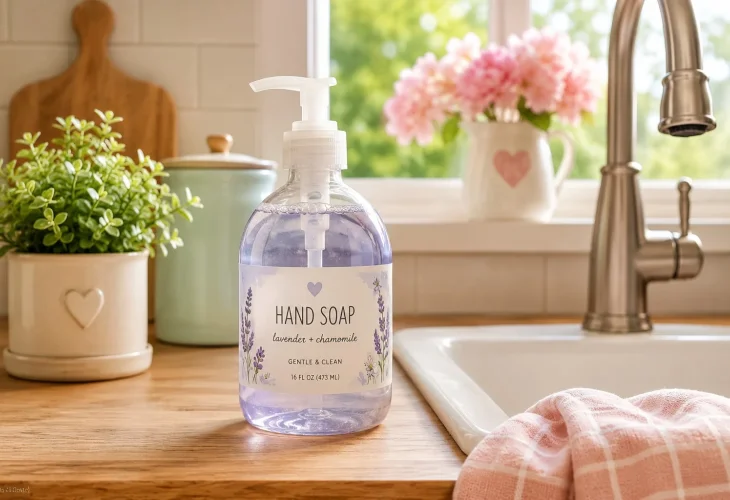
We use certain words every single day without giving them a second thought. We say them casually, type them in messages, ask for them at the store, or hear them around the house. But once you stop and think about what some of these words actually mean, things start getting a little strange.
Why is peanut butter called “butter” if there’s no butter in it? Why do people still say “tin foil” when it’s made from aluminum? And why does the Hebrew word al sabon (“non-soap”) describe something used exactly like soap?
Sometimes names come from old materials that no longer exist. Sometimes they describe how something looks rather than what it actually is. And sometimes brand names become so common that people forget they were ever brands in the first place.
Here are a few everyday terms that sound much stranger once you look at them closely.
“Non-Soap” (Al Sabon)
For English speakers learning Hebrew, this one can sound especially confusing.
The Hebrew term al sabon literally sounds like “non-soap” or “not soap.” Naturally, many people wonder:
If it’s soap, why call it “not soap”?
The answer goes back to what “real” soap originally was.
Traditional soap has existed for thousands of years and was historically made by combining fats or oils with ash. That chemical process created a cleansing substance capable of breaking down dirt and grease.
Modern “non-soap” cleansers work differently. Instead of being made from natural fats, they are synthetic cleansing products created from other chemical compounds. They clean similarly to soap but technically are not true soap according to the original chemical definition. That is why they became known in Hebrew as al sabon, meaning “non-soap.”
Ironically, most modern liquid soaps and gentle skin cleansers people use today actually fall into this “non-soap” category.
“Silver Paper”
In Israel, many people casually refer to aluminum foil as “silver paper” (neyar kesef).
But the foil is not made from silver at all.
Long ago, thin sheets of different metals, including silver, were sometimes used for wrapping and preserving materials. Over time, aluminum replaced those metals because it was cheaper, lighter, and more practical. The material changed, but the name survived.
English speakers have a similar habit when they say “tin foil,” even though modern foil is usually aluminum.
Peanut Butter
This one confuses plenty of kids.
There is not a drop of dairy butter inside peanut butter. It is made almost entirely from ground peanuts. So why call it butter? Peanut butter
The answer has nothing to do with ingredients and everything to do with texture. The smooth, spreadable consistency resembles softened butter, so the name stuck.
“Glass Paper”
In Hebrew, sandpaper is often called neyar zchuchit, literally “glass paper.”
That sounds odd until you learn the history behind it.
Early sanding materials sometimes used crushed glass particles to create the rough surface needed for smoothing wood and other materials. Modern sandpaper no longer uses glass that way, but the old name remained.
“Light” Bread
Many shoppers assume “light bread” automatically means healthier bread with dramatically fewer calories.
But in many cases, “light” simply refers to texture. The bread may be softer, fluffier, or less dense rather than significantly lower in calories.
Some light breads do contain fewer calories per slice, but the word itself can be misleading. Nutrition labels often tell a more accurate story than the packaging name.
“Sunny Side Up” Eggs
In Hebrew, a fried egg is often nicknamed an “eye egg” because of how it looks.
The bright yolk resembles a pupil, while the surrounding egg white looks like the white part of an eye. Once you notice it, the comparison suddenly makes perfect sense.
The Computer “Mouse”
Younger generations who grew up with wireless technology may not realize why computer mice are called “mice” in the first place. Computer mouse
Early computer mice had long cords trailing behind them, making them resemble small mice with tails. Even though most modern versions are wireless now, the name stayed.
“Black Coffee”
Coffee is not truly black. It is dark brown.
But compared to coffee mixed with milk or cream, plain coffee appears much darker, which is why people began calling it “black coffee.” Black coffee
Sometimes language is less about precision and more about comparison.
“Pelephone”
This final example is especially Israeli.
Pelephone was one of Israel’s first cellphone companies, but over time many Israelis began casually using the word “pelephone” to describe any cellphone, regardless of brand.
English has similar examples:
- Kleenex
- Jeep
- Velcro
- Band Aid
Over time, some brand names become so woven into everyday language that people stop thinking of them as brand names at all.
Language Is Full of Leftovers From the Past
Many everyday words are really little pieces of history that survived long after the original meaning changed.
Materials evolved.
Technology changed.
Products improved.
But the names stayed behind.
And once you start noticing these strange everyday terms, it becomes surprisingly hard to stop thinking about them.

