

Issues in the Bible
What Is Biblical Hyssop? The Surprising Meaning Behind the Cedar and the Ezov
Discover the deeper symbolism of hyssop, cedar trees, healing, humility, and spiritual purification in Jewish tradition
- Yosef Yaavetz
- | Updated
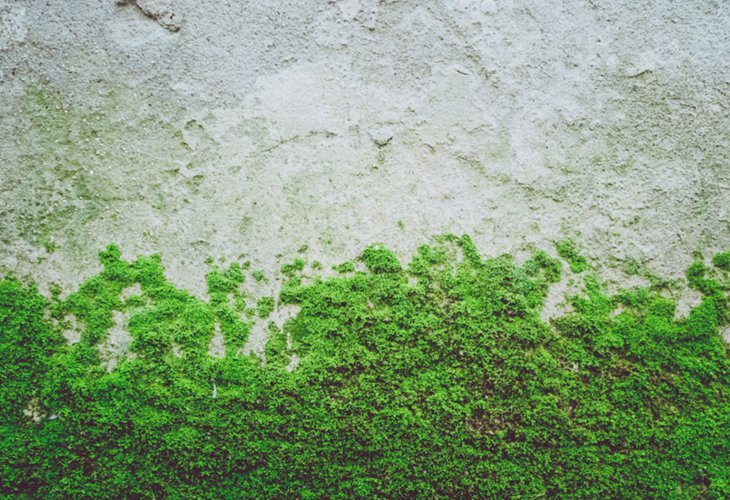 (Photo: shutterstock)
One of the more famous Hebrew expressions says: “If a flame has fallen among the cedars, what can the hyssop growing on the wall possibly say?”
It is a powerful and poetic phrase — but interestingly, it does not actually appear anywhere in the Bible.
The expression raises another question: what exactly is ezov — hyssop? Most people assume it refers to moss or the green growth found on old walls and seaside stones. However, that is actually incorrect. That green growth is simply moss or algae. Biblical ezov is the name of a respected and important plant.
In the Torah, hyssop plays a central role in purification rituals, including the sprinkling of the ashes of the Red Heifer and the purification process of the metzora (a person afflicted with the spiritual skin condition often translated as leprosy). Clearly, this cannot refer to ordinary moss — if you tried dipping moss into water or blood and using it for sprinkling, it would not work very well. It is tiny and fragile.
According to Maimonides and many other commentators, Biblical hyssop is actually za’atar — a wild herb that grows naturally throughout the Land of Israel. Za’atar is not only an important culinary spice but is also famous for its medicinal properties. Many even refer to it as “nature’s antibiotic” because of its effectiveness against infections and fungi.
This makes its role in the purification of the metzora especially meaningful. Of course, the herb itself does not magically cure the condition through ritual sprinkling, but there is deep symbolism in using a healing plant as part of a spiritual healing process.
The Cedar and the Hyssop
Hyssop’s symbolic partner in the Torah is the cedar tree.
The purification ritual specifically combines cedar wood and hyssop together. They form a fascinating pair because they represent complete opposites — just like in the famous expression.
The cedar is tall, powerful, majestic, and imposing. It is used to build palaces, temples, and grand structures. Hyssop, by contrast, is small, soft, low to the ground, and associated with food, fragrance, and healing.
Together, they symbolize different aspects of the human being.
The cedar represents the upright structure of the body — strength, height, and stability, almost like the spine itself reaching upward. Hyssop represents the smaller, spreading parts of life — vitality, healing, softness, and growth. The cedar gives power; the hyssop gives life and renewal.
Even the places where they grow carry symbolism. Cedars grow high in the snowy mountains of Lebanon, evoking the whiteness associated with tzara’at, especially when it appears visibly on a person’s body. Hyssop grows lower to the ground and recalls the hidden, greenish forms of the affliction mentioned in the Torah.
A Lesson in Humility and Healing
Perhaps this is why the Torah brings these two opposites together.
The cedar can symbolize pride, strength, and elevation. The hyssop represents humility, simplicity, and healing. True purification requires both: strength without arrogance, and humility without weakness.
And perhaps that is also the deeper message behind the famous saying. If even the mighty cedars can burn, then the humble hyssop certainly has reason to tremble. Yet the Torah reminds us that greatness is not found only in towering strength. Sometimes healing, life, and spiritual renewal grow closest to the ground.

