

Jewish Dating
Preparing for a Second Marriage: Questions You Need to Ask
Before entering a second marriage, honest self reflection and emotional preparation can make all the difference in building a healthy relationship.
- Nissan Lebron
- | Updated
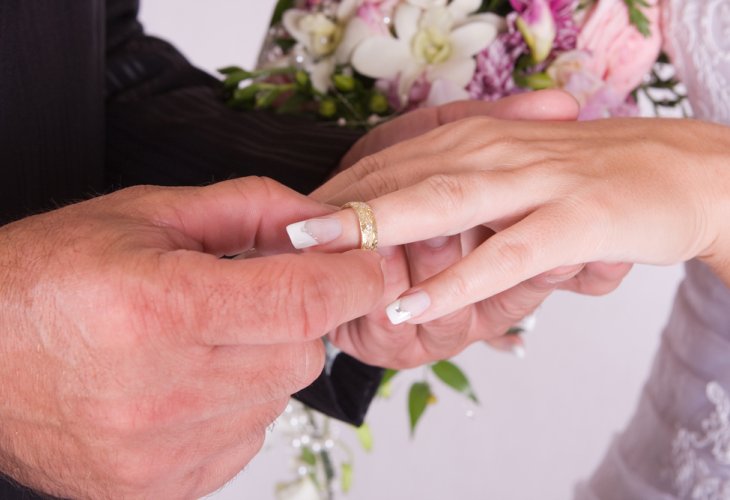 (Photo: shutterstock)
I met Yaron many years ago. He was a young husband and father at the time, a pleasant and talented architect building both a career and a family.
When I later heard that he had divorced, I felt genuine sadness.
Time passed, and after confirming with both Yaron and his parents that there was no realistic possibility of restoring the marriage, I approached him with a matchmaking suggestion.
“No, thank you. Not yet,” he answered thoughtfully. “I need time to understand what I’ve been through, to process what happened, and to be there for my children.”
At the time, his response struck me as especially wise and responsible.
What Is the Foundation of a Marriage?
When we think about marriage, the focus naturally falls on the couple themselves: their personalities, choices, abilities, and willingness to invest in the relationship.
They are the ones who will build the home together. They are the foundation of the family.
Personal character traits influence every area of life, including marriage. Developing patience, kindness, emotional awareness, and flexibility is lifelong work. Great Torah teachers and masters of mussar have long emphasized the importance of continuously refining one’s character.
This becomes even more important in a second marriage.
Second marriages often involve additional complexities and emotional layers. Because of this, both partners need emotional maturity and healthy communication skills. They need patience, understanding, generosity, flexibility, and self awareness.
Just as importantly, a person must know themselves honestly. In today’s busy and distracting world, it is easy to lose touch with who we really are, what we truly need, and what we are capable of giving.
Living without that self awareness can create significant challenges in marriage.
Am I Truly Ready for Another Marriage?
For this reason, anyone considering a second marriage should take time for personal preparation before entering a new relationship.
The goal is not simply to find another spouse. The goal is to honestly ask:
“How ready am I for this next marriage?”
A person should take time to reflect on important questions:
What are my strengths and weaknesses?
What truly matters to me, and what is less important?
What did I learn from my previous marriage?
What type of person would allow me to build a healthy and stable home?
This process should be done independently, before focusing on another person.
Preparing for Marriage Like Preparing for a Business
Some people may feel this level of introspection sounds excessive or overly focused on oneself.
But thoughtful preparation is both practical and responsible.
When someone wants to open even a small business, they are encouraged to prepare a business plan. They examine possible profits and losses and ask themselves whether the venture is realistic and sustainable.
Sometimes that preparation reveals that the plan is unlikely to succeed, saving enormous disappointment and financial strain. Other times, only a few adjustments are needed to create success.
How much more important is preparation when it comes to marriage, something that deeply affects a person’s happiness, emotional wellbeing, health, and future?
Especially in second marriages, preparation is not self absorption. It is wisdom.
Investing in a Strong Future
Careful preparation benefits not only ourselves, but also our future spouse and family.
Hashem wants people to live with joy, fulfillment, and healthy relationships. A strong marriage creates emotional stability and strengthens every part of life.
Preparing thoughtfully for marriage can also help people avoid unnecessary heartache, confusion, and even costly emotional struggles later on.
This does not mean professional counseling is unnecessary. On the contrary, counseling can be extremely valuable when needed. But even those who seek guidance benefit greatly from doing honest personal work beforehand.
That is why Yaron’s response was so meaningful. Instead of rushing into another relationship, he chose to pause, reflect, and better understand himself before moving forward.
Questions for Honest Self Reflection
Personal preparation begins with quiet, honest self examination.
A person should sit with themselves and ask:
Who Am I?
What genuinely makes me happy?
What do I truly need in life?
What can I compromise on?
What situations or behaviors are difficult for me to tolerate?
What are my strengths?
Where am I emotionally vulnerable?
Do I carry unresolved pain or sensitivities from the past?
What personal habits or beliefs might damage a future marriage?
Clarifying Life Goals
It is also important to identify personal goals and priorities.
What values matter most to me?
What kind of spiritual, emotional, family, and professional life do I hope to build?
Which goals are most urgent, and which are secondary?
Writing these thoughts down clearly can help organize priorities and bring greater clarity.
Examining Attitudes Toward Marriage
A person should also honestly evaluate their attitude toward relationships.
Have I taken responsibility for my role in past difficulties?
What lessons have I learned?
Am I emotionally available for the investment marriage requires?
Do I currently have the emotional strength needed to build another home?
What can I genuinely contribute to a spouse and family?
Writing these answers down often helps a person process them more honestly and effectively.
Growth Leads to Better Relationships
This kind of self reflection can feel uncomfortable, but it is deeply valuable.
No human being is perfect. Chazal teach that Hashem does not make impossible demands of His creations. Marriage was given to ordinary people with imperfections, struggles, and emotional complexity.
But honest reflection allows a person to grow.
Over time, this process helps people better understand themselves and recognize the kind of partner with whom they can truly build a healthy and lasting marriage.
When two people enter marriage with greater self awareness, emotional maturity, and clarity about their goals, they create a much stronger foundation for building a peaceful and meaningful Jewish home.

