

Parashat Naso
The Hidden Power of Birkat Kohanim in Parashat Naso
What really happens during Birkat Kohanim? Discover the hidden spiritual power, blessings, and Divine mercy revealed in Parashat Naso.
- Rabbi Yitzchak Batzri
- | Updated
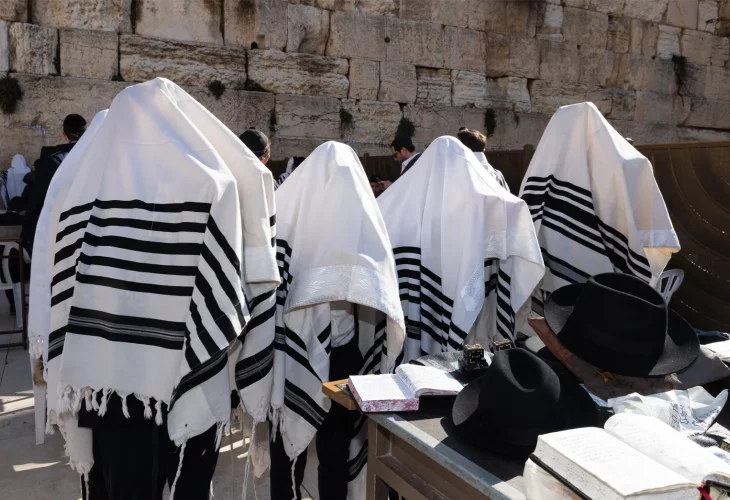 (Photo: shutterstock)
There is something deeply moving about the moment the kohanim spread their hands and bless the people of Israel with love.
In Parashat Naso, the Torah introduces Birkat Kohanim, one of the most beloved and powerful blessings in Judaism.
According to the holy Zohar, these moments are not only meaningful here in this world, but also awaken tremendous mercy and blessing in the upper worlds as well.
A Time of Favor in All the Worlds
The holy Zohar teaches that during Birkat Kohanim there is an especially favorable time throughout all the worlds. The upper and lower realms are blessed, judgment is silenced, and peace spreads everywhere.
Because of this unique spiritual moment, the sages teach that someone who had a troubling dream should pray during Birkat Kohanim that the dream be transformed for the good. At that hour, great mercy fills the world, and sincere prayer from the depths of a person’s pain has the power to transform judgment into compassion.
The Sixty Letters of the Priestly Blessing
In Raaya Meheimna, it is revealed that the sixty letters of Birkat Kohanim correspond to the six hundred thousand souls of the Jewish people.
Each of those letters rises to the Heavenly Throne, and the Shechinah joins and agrees to the blessing spoken by the kohanim. At that moment, Hashem Himself blesses the people of Israel.
Because Hashem desires to bless His children, He commanded specifically the kohanim, who are rooted in kindness, to deliver this blessing.
The Arizal explains that the words “So shall you bless” contain a hidden allusion to the “crown” of the King. Through Birkat Kohanim, the kohanim draw down blessing from the highest spiritual levels.
At the moment they spread their hands to bless the people, the Shechinah rests upon their hands, they become filled with spiritual abundance, and a great heavenly light shines into the world.
Even an Imperfect Blessing Is Precious
The power of Birkat Kohanim is so great that even when a kohen does not pronounce the words perfectly, Hashem still transforms his words into blessing.
Rabbi Yehuda HeChasid relates a remarkable story about a kohen who mistakenly said “veyashmidcha” instead of “veyishmerecha,” accidentally turning the blessing into its opposite.
A certain sage removed him from blessing the congregation because of the mistake. But from Heaven, the sage was instructed to restore the kohen immediately and allow him to continue blessing the people as best as he could.
The reason? Because the blessing was said with love.
This connects to the verse in Shir HaShirim: “And his banner over me was love.” The Midrash explains it as “His skipping over me was love,” teaching that Hashem lovingly overlooks imperfections when they come from a sincere heart.
The Seven Blessings Hidden in Birkat Kohanim
The sages reveal many layers of meaning within the structure of Birkat Kohanim itself.
The first verse contains three words, corresponding to the three Patriarchs. Through this verse, Hashem remembers the covenant with Avraham, Yitzchak, and Yaakov.
The second verse contains five words, corresponding to the Five Books of the Torah.
The third verse contains seven words, corresponding to the seven heavens, from which Hashem blesses His people Israel (Kol Bo).
The Seven Types of Joy in the World
The kabbalist Rabbi Avraham Azulai, in his work Chesed LeAvraham, cites Sefer Yetzirah as teaching that seven forms of happiness were created in this world:
- Wisdom
- Children
- Life
- Grace
- Wealth
- Authority
- Peace
According to Rabbi Azulai, all seven of these blessings are included within Birkat Kohanim.
He explains that the kohen should ideally have these blessings in mind while reciting the priestly blessing, focusing carefully on each word and the spiritual abundance it draws into the world.
How beautiful and uplifting it is to realize that during those familiar moments in synagogue, when the kohanim raise their hands and the congregation stands quietly beneath their blessing, the Torah describes a moment filled with mercy, peace, heavenly light, and Divine love.

