

Need a New Hobby? 28 Ideas You Can Start Today
Whether you're looking to be more creative, learn a new skill, or simply spend less time on your phone, these 28 hobbies offer something for everyone.
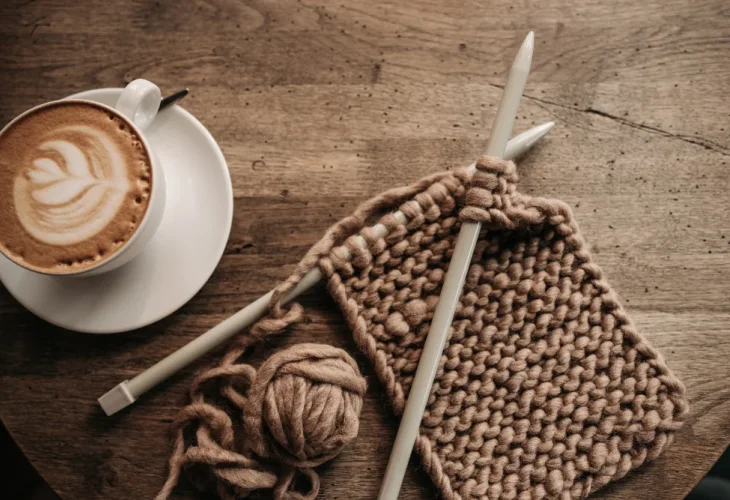
Free time is hard to come by, but when we do get it, we usually spend it endlessly scrolling on our phones, staring at screens without much purpose, or half-dozing on the couch. It’s easy, and it doesn’t take much effort. But if you want to feel a little calmer, more inspired, and more connected to yourself, there are so many hobbies for adults you can try.
Lately, trends like a "hobby menu" and a "dopamine menu" have been gaining momentum, and for good reason. People are craving a little time away from the news and from screens, and these trends turn moments of boredom or stress into activities that can genuinely make you feel better over time.
If that sounds like something you need, or if you’re simply in the mood to refresh your routine, now is the perfect time to explore a few new hobbies you can start right now, from the comfort of your own home.
Why Start a Hobby at Home?
Home is our safe space, the place where we can let down our guard and be ourselves. Starting a hobby at home is completely different from signing up for a class somewhere else. There’s no need to get dressed up, drive anywhere, look for parking, or stick to a rigid schedule.
Most at-home hobbies also require very little financial investment, if any at all. And you can do your hobby for half an hour before bed or devote an entire weekday morning to it. It’s all at your own pace.
The Proven Benefits of Hobbies
Having a hobby has a deep psychological and physiological effect on our brains and our health:
- Reduced stress and anxiety: When we immerse ourselves in a creative or hands-on activity, the brain enters a state of flow, where cortisol levels, the stress hormone, drop dramatically.
- Stronger cognition and mental flexibility: Learning a new skill creates new neural connections in the brain and helps keep it vibrant and sharp.
- A healthy alternative to screens: Hobbies that involve working with your hands or moving your body pull us away from the need to look at a screen and allow the eyes and nervous system to rest from nonstop digital stimulation.
How to Choose the Right Hobby for You
Before diving into the list, it’s worth asking yourself a few questions so you can understand what you really need right now. You can use these questions:
- What’s my energy level? If you’re exhausted after a workday, you may want a hobby that takes less energy, like knitting. If you’re feeling restless, you may want something more active, like yoga or baking.
- What’s my goal? Do I want to create something physical? Do I want to relax? Or maybe challenge my mind?
- What did I love doing as a child? Very often, our best hobbies as adults are hidden in the things that made us smile when we were younger: drawing, building with Lego, collecting items.
28 Hobbies You Can Start at Home Today
Below is a list of 28 hobbies, divided into four main categories, so you can easily find something that fits your mood right now:
Creativity and Art
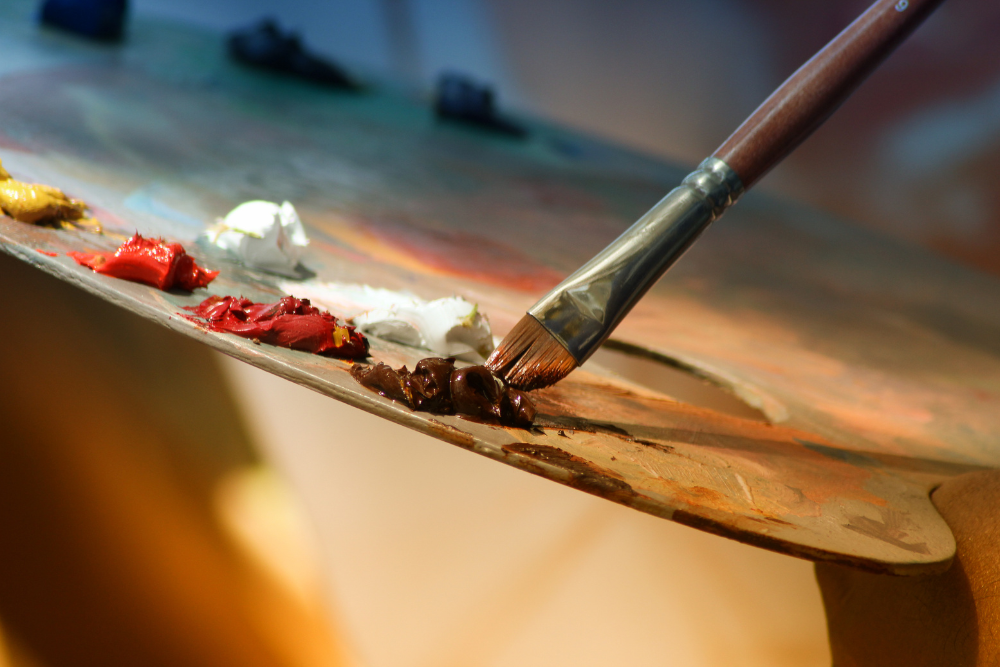
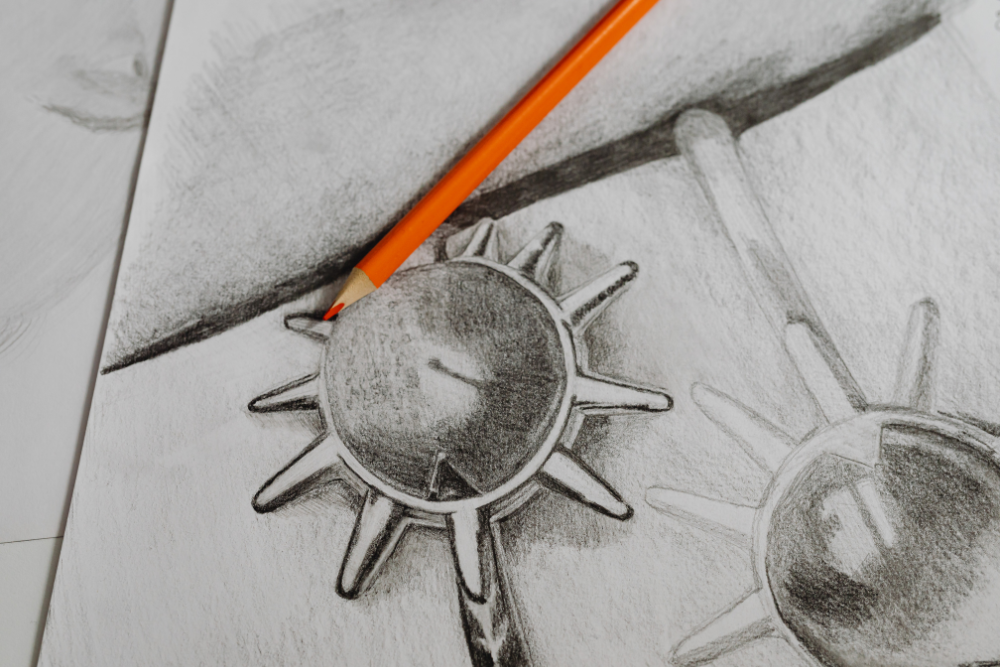
1. Painting or pencil sketching: Buy a simple sketchbook and a few pencils or watercolors, and start drawing still-life objects around the house, or color mandalas.
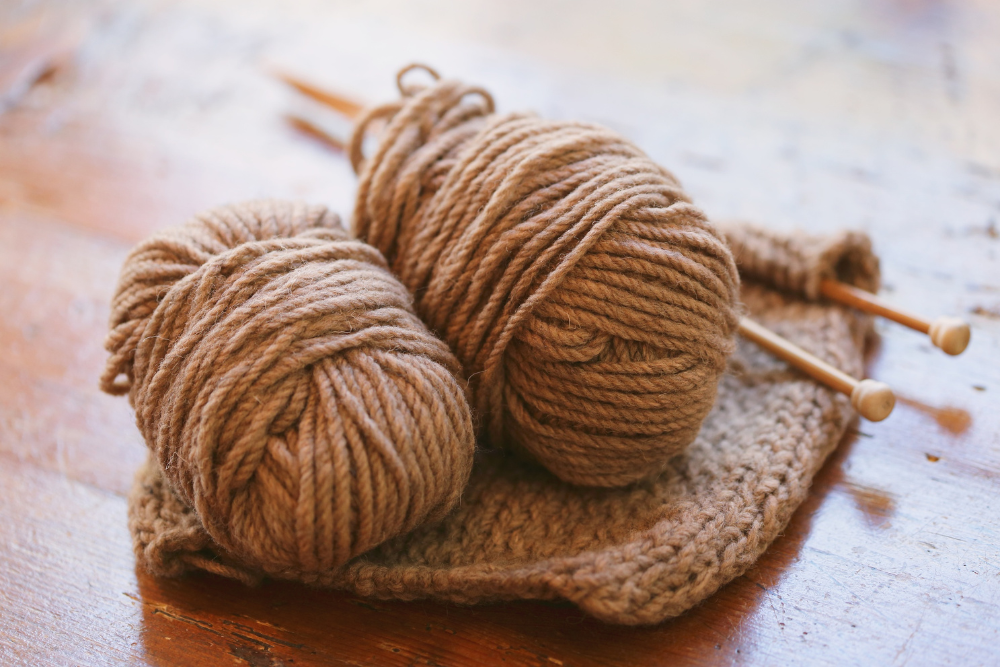
2. Knitting: A meditative activity that keeps your hands busy, and a great substitute for holding your phone.
3. Creative writing or journaling: Whether it’s free-writing in the morning or writing poems and short stories, this can help you activate your imagination and process emotions.
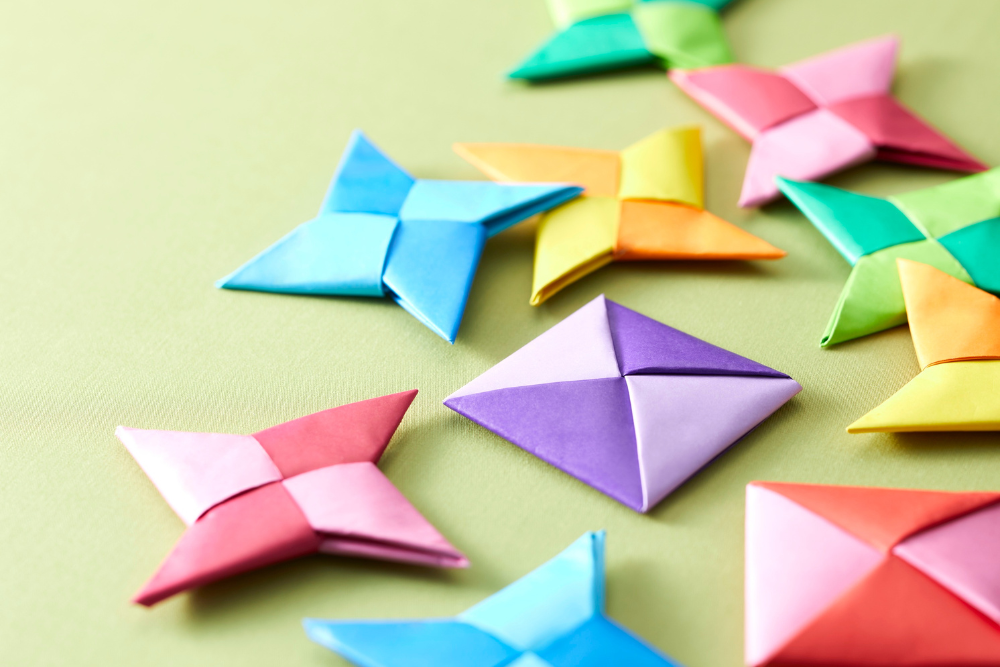
4. Origami (paper folding): A Japanese art that requires only square sheets of paper and a bit of concentration.
5. Collage and scrapbooking: Cut out images from old magazines, newspapers, or packaging, and create an inspiration board or a designed photo album.
6. Sculpting with air-dry clay: An inexpensive, easy-to-use material that doesn’t require a special oven. You can make small jewelry dishes, keychains, pendants, and more.
7. Calligraphy: Improve your handwriting and turn it into visual art with special pens and online tutorials.
Kitchen and Cooking
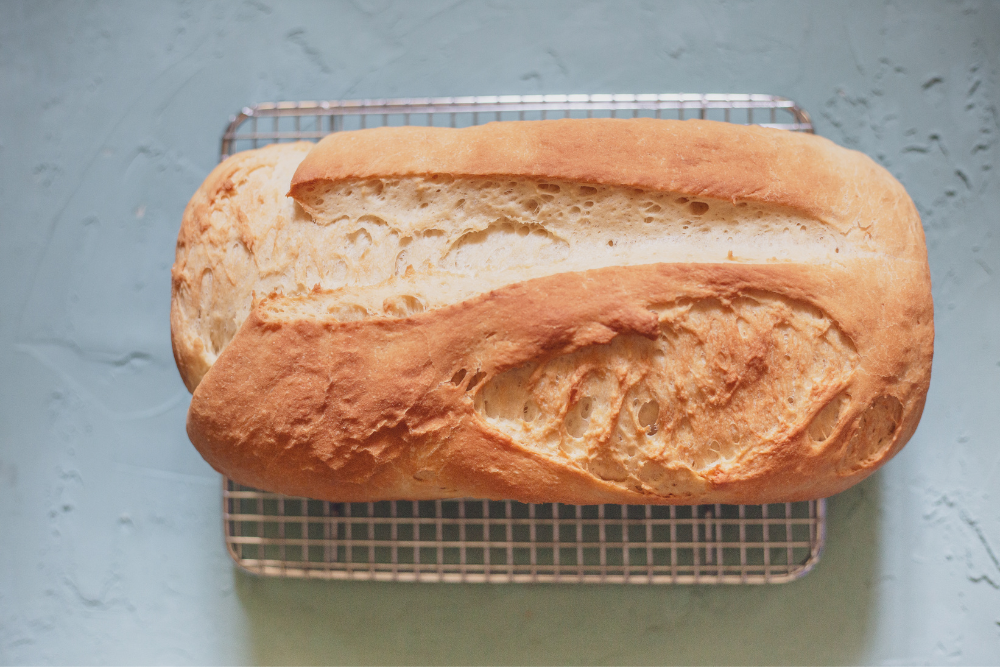
8. Baking sourdough bread: Learn how to make your own starter and bake fresh, crusty loaves with an irresistible aroma.
9. Making pasta from scratch: All you need is flour, eggs, and a rolling pin. A pasta machine is a nice upgrade, but definitely not necessary to begin.
10. Making simple homemade cheeses: With basic ingredients like milk, lemon, or vinegar, you can learn to make rich ricotta or tangy labneh that you strain yourself through cheesecloth.
11. Home fermenting and pickling: Make sauerkraut, pickles, kimchi, or fizzy kombucha.
12. Brewing tea or coffee like a pro: Explore different coffee beans, learn brewing methods, or blend herbal tea mixes.
13. Decorating cakes and cookies: Use piping tips, pastry bags, and royal icing to turn simple cookies into works of art.
14. Blending spices and flavored salts: Turn your cooking into an art by creating your own unique spice mixes, like *ras el hanout*, homemade curry, or authentic za’atar. You can also upgrade your kitchen with flavored salts, such as smoked salt, spicy chili salt, or lemon-zest-and-rosemary salt.
15. Making chocolate and truffles: Learn the basics of working with chocolate, from melting it properly to creating rich truffle balls with surprising additions like coarse salt, toasted coconut, chili, or grated orange peel. It’s a sweet hobby that also makes perfect gifts for friends.
16. Making boutique jams and special spreads: Take seasonal fruit and turn it into rich jams with layered flavors, like strawberry-balsamic jam or peach-vanilla jam. Or focus on savory spreads like sun-dried tomato spread, homemade pesto, or your own natural nut butter.
Learning and Brain Challenges
17. Learning a new language: Use free apps, read simple books in a foreign language, or listen to dedicated podcasts.
18. Putting together complex puzzles: A 1,000-piece puzzle or more spread out on a side table is a wonderful, calming way to keep your brain engaged.
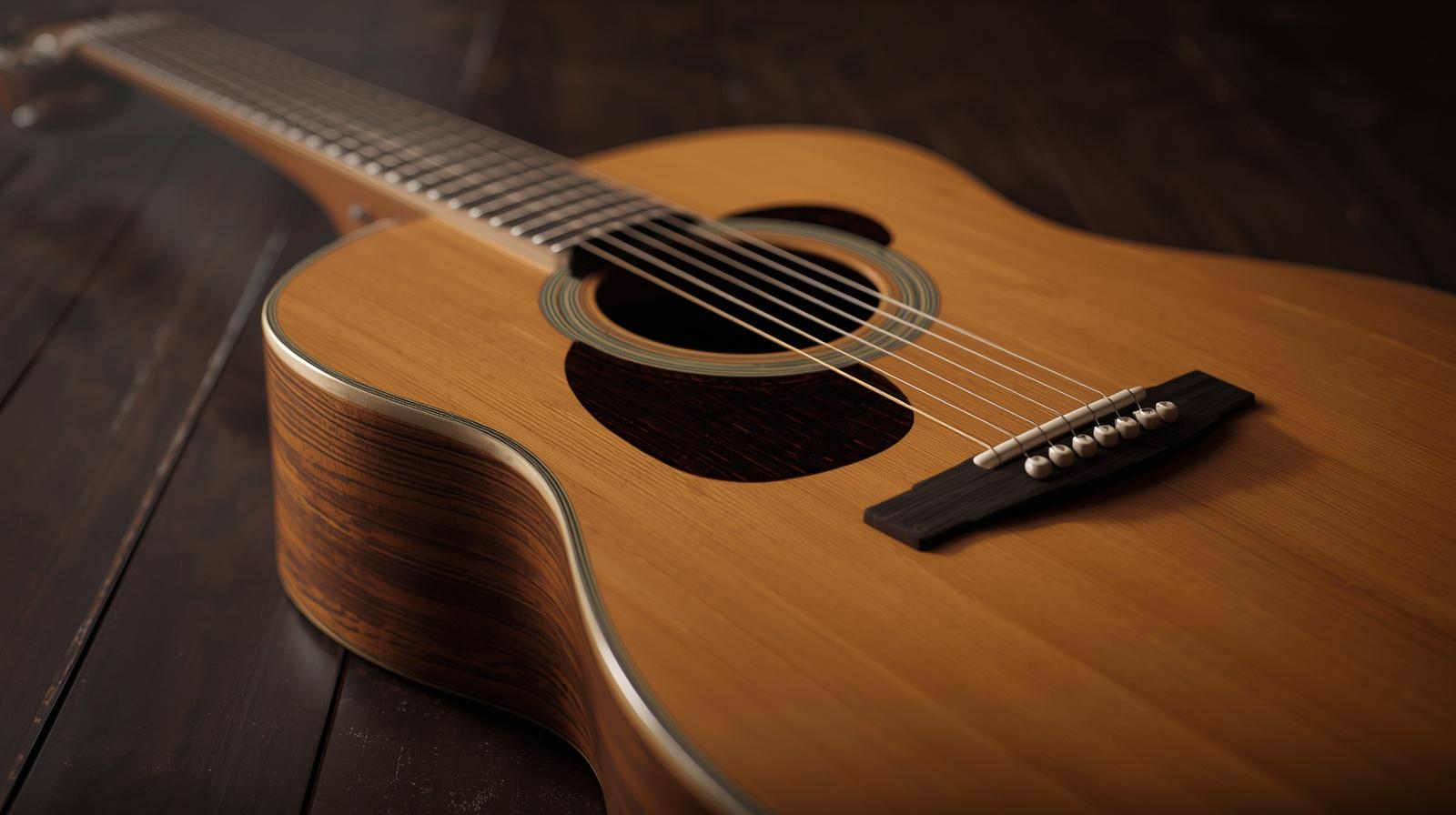
19. Playing a musical instrument, like a ukulele: A ukulele is affordable, compact, and relatively easy to teach yourself through simple instructional videos.
20. Intentional reading: Set a personal reading challenge, join a virtual book club, or read a genre you’ve never tried before.
21. Listening to general-knowledge podcasts: Expand your horizons by listening to interesting podcasts on current events, history, and science while doing routine household tasks.
22. Strategy and board games, solo or with a partner: Play games like chess, advanced solitaire, or modern board games designed for solo players too.
Home, Gardening, and Your Surroundings
23. Indoor gardening and houseplants: Take care of houseplants like succulents, monstera, and pothos, and learn what they need.
24. Sprouting seeds and growing microgreens: Grow healthy, tasty sprouts on your windowsill in just a few days.
25. Home styling and rearranging your space: Reorganize furniture, sort through belongings, and create a more pleasant flow of energy in your living space.
26. Natural crafting, like making candles or soap: Melt wax, add essential oils and colors, and create fragrant, personal candles for your home.
27. Upcycling and refreshing old fabrics: Cut, dye (Tie-Dye), or embroider old fabrics to give them new and unique life.
28. Small woodworking projects or home repairs (DIY): Learn basic repair skills, paint small pieces of furniture, or build simple shelves.
How to Stick With Your Hobby and Keep It Alive
When you start a new hobby at home, it’s very easy to get excited at first and then let the tools or materials sit in the corner gathering dust. Here are three tips to help you stick with it:
Lower your expectations and don’t aim for perfection: The goal of a hobby is not to excel. It’s to enjoy the process. That’s part of the magic.
Create a permanent inspiration corner: If your hobby supplies are packed deep inside a closet, you probably won’t use them. Keep your sketchbook, book, or craft project somewhere visible, like on the coffee table or dresser.
Treat it like quality time: Set aside a specific hour each week dedicated only to your hobby.
The best hobbies for adults are the ones that fit naturally into your life, not the ones that feel like another task on the to-do list. Think about what feels interesting and enjoyable to you, not what seems the most productive.
Some days that may mean trying a new recipe, and on other days it may mean building with Lego. You can explore, experiment, and give things up. That’s part of the process. Once you enter a state of flow, your hobby can become a creative escape from everyday routine, and even help ease anxiety and stress.

