

Health and Nutrition
Healthy Cooking Oils Guide: The Benefits of Avocado, Olive, Sesame, and Coconut Oil
Learn which oils are considered the healthiest, how to use them correctly for cooking and salads, and the best ways to store them to preserve their nutritional value and health benefits
- Zohara Sharvit
- | Updated
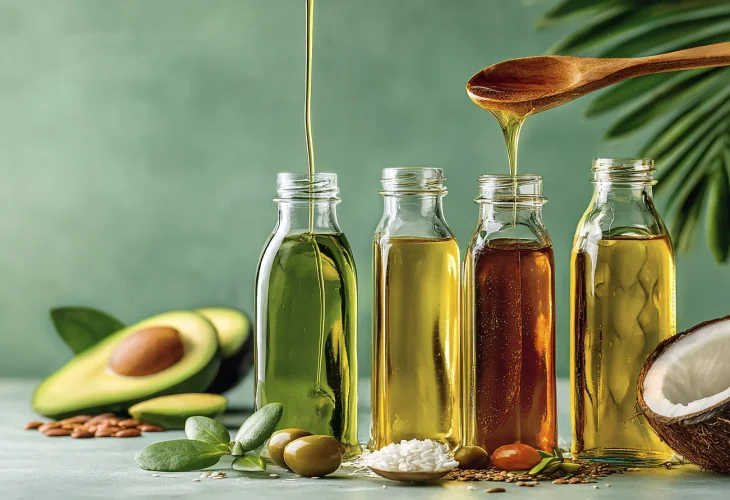
Until not long ago, fat was considered something to avoid. Today, we understand that high quality oils and healthy fats are essential for the proper functioning of many systems in the body. Good fats help the body absorb vitamins and minerals, improve blood flow to the brain, and support a positive mood. They also contribute to healthy metabolism and balanced blood sugar levels. Fats that contain omega 3 fatty acids may help reduce inflammation throughout the body.
Avocado Oil: One of the Best Oils for Cooking
The best oil for cooking, especially if you prefer a neutral flavor, is cold pressed avocado oil. It is rich in monounsaturated fatty acids, vitamin E, and antioxidants.
Avocado oil is particularly suitable for cooking and can even be used for frying and roasting due to its stability at higher temperatures.
Olive Oil: A Heart Healthy Choice
Cold pressed olive oil is rich in monounsaturated fats and contains polyphenols, powerful antioxidants that help reduce inflammation, increase good cholesterol (HDL), and protect the heart and blood vessels.
Olive oil has a more pronounced flavor, making it ideal for salad dressings, marinades, and cooking. It is generally preferable to refined oils.
Sesame Oil: Flavorful and Nutrient Rich
Sesame oil has a distinctive aroma and taste and contains vitamin E, which supports healthy hair and skin.
Cold pressed sesame oil is best used for dressing salads and finishing dishes. If used for cooking, it is recommended to keep temperatures low to preserve its nutritional quality.
To help prevent oxidation, sesame oil should ideally be stored in the refrigerator.
Coconut Oil: Choose Cold Pressed
Coconut oil is best consumed only in its cold pressed form. When coconut oil is heavily refined, many of its beneficial properties are lost.
Coconut oil contains compounds with antimicrobial properties and may be helpful as part of a supportive approach to managing fungal overgrowth and certain infections, such as Candida. It is also commonly used for oral care, helping support gum health and maintain a balanced oral microbiome, which may contribute to reducing plaque buildup.
Some sources suggest that highly refined coconut oil may have less favorable effects on cholesterol levels compared to minimally processed varieties.
Use Healthy Oils in Moderation
When adding oil to food, it is a good idea to measure it with a spoon rather than pouring directly from the bottle. This helps control portion sizes.
Even healthy oils should be consumed in moderation as part of a balanced diet.
Proper Storage Matters
Every oil, even the healthiest one, undergoes some degree of oxidation over time. This process begins even with cold pressed oils.
To help preserve quality, oils should be stored in dark bottles, tightly sealed, and kept in a cool cupboard away from light and heat. Once a bottle is opened, oxidation increases more rapidly.
Do Not Use Expired Oil
It is best to avoid using oils after their expiration date. As oils age, oxidation increases, which can negatively affect both flavor and nutritional quality.

