

Facts You Didn't Know
Catatumbo Lightning: The World's Most Intense Lightning Storm Explained
Discover the incredible Catatumbo Lightning phenomenon in Venezuela, where thousands of lightning strikes illuminate the sky each year
- Shira Dabush
- | Updated
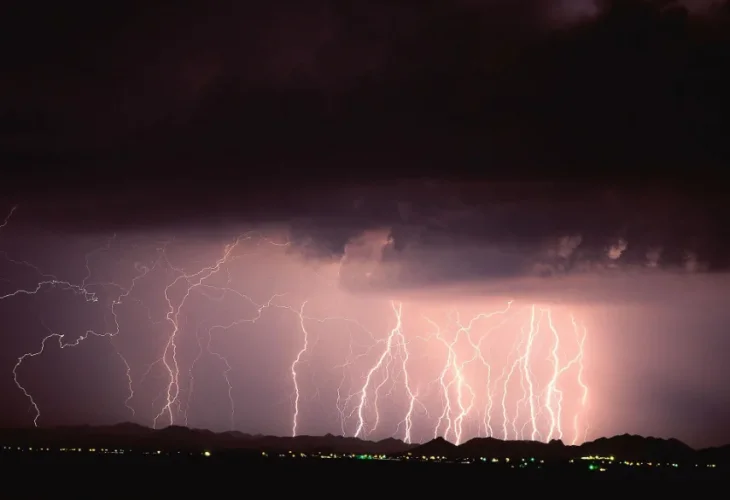
There are places in the world where God's wisdom is displayed in such extraordinary ways that all we can do is stand in awe and give thanks. One region in Venezuela contains a phenomenon so remarkable that it continues to amaze even experienced scientists: lightning strikes occurring again and again in the same location with astonishing frequency and intensity.
The phenomenon is so rare and unique that it holds a place in the Guinness World Records as the most active lightning hotspot on Earth.
It occurs near the mouth of the Catatumbo River, where it flows into Lake Maracaibo in Venezuela. This region possesses an unusual combination of weather conditions that creates one of the world's most spectacular natural displays.
A Natural Light Show Unlike Any Other
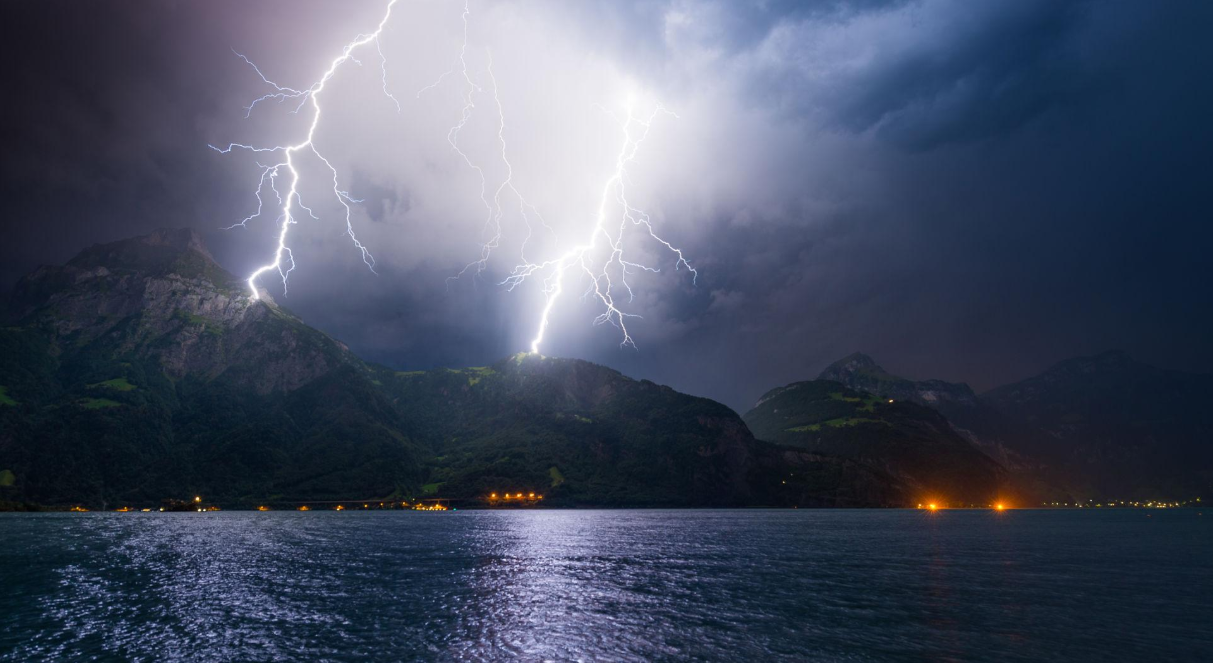
The Catatumbo lightning phenomenon occurs between 140 and 160 nights each year and can last for up to 10 hours at a time.
At its peak, observers can witness between 16 and 40 lightning strikes per minute, amounting to as many as 280 strikes per hour.
The flashes are so powerful and frequent that they can be seen from distances of up to 400 kilometers (250 miles).
Before the era of satellite navigation, sailors used the constant flashes as a natural landmark while navigating the region. This earned the phenomenon the nickname "The Lighthouse of Maracaibo."
Why Does It Happen?
Scientists have spent decades studying why such an extraordinary concentration of lightning occurs in this specific location.
The answer appears to lie in a unique combination of geography and climate.
Mountains Create a Natural Trap
Lake Maracaibo is surrounded on three sides by high mountain ranges, including sections of the Andes Mountains.
These mountains play a crucial role in creating the conditions necessary for the storms.
Warm and Cool Air Collide
Warm, moisture-rich air flows inland from the Caribbean Sea and moves across the warm waters of Lake Maracaibo and the Catatumbo River.
When this warm, humid air encounters cooler air descending from the surrounding mountains, it is forced upward rapidly.
Massive Storm Clouds Form
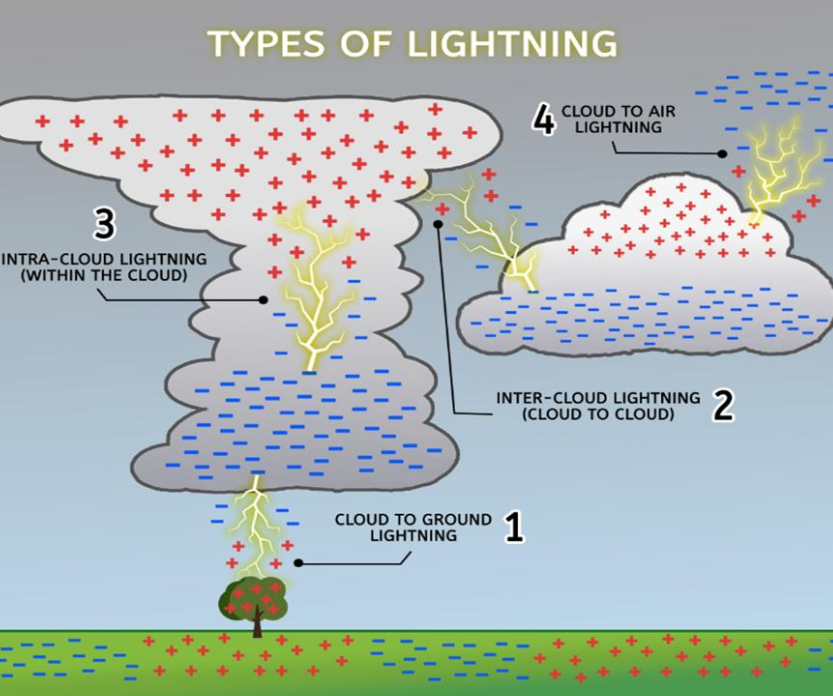
As the air rises, it cools and condenses, forming enormous thunderclouds known as cumulonimbus clouds.
These towering storm systems generate intense electrical activity, resulting in nearly continuous lightning discharges throughout the night.
Earlier Theories
For many years, scientists believed that methane gas rising from the swamps surrounding Lake Maracaibo might be the primary cause of the phenomenon.
While methane may contribute in some way, most researchers now agree that the dominant factors are the region's unique air currents, humidity levels, and mountainous topography.
One of Nature's Greatest Spectacles
The Catatumbo lightning phenomenon remains one of the most extraordinary weather events on Earth.
Night after night, year after year, the skies above Lake Maracaibo are illuminated by thousands of lightning flashes, creating a natural display unlike anything else on the planet.
For scientists, it is a fascinating meteorological puzzle. For visitors, it is an unforgettable sight. And for many, it is a powerful reminder of the remarkable complexity and beauty woven into the natural world.

