

Magazine
October 7 Through VR: Two Haredi Women Tell Israel's Story
Days after October 7, two Haredi filmmakers entered Kibbutz Be’eri to preserve stories of loss, faith, and heroism. Their VR project is now reaching hearts around the world.
- Michal Arieli
- | Updated
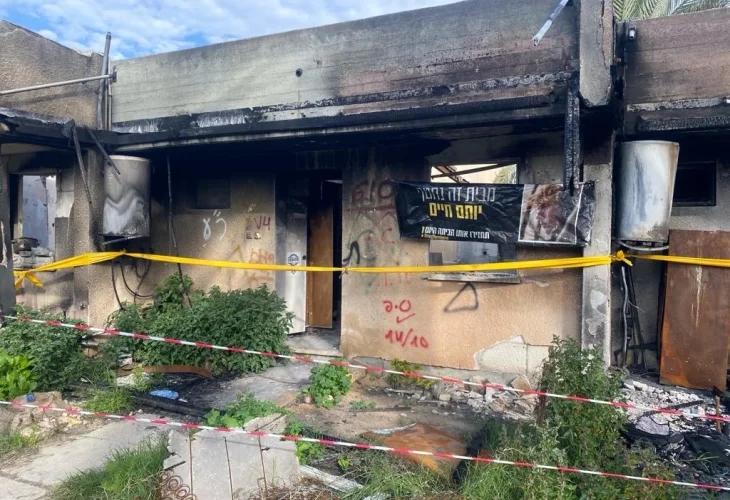
There are moments in life that remain etched in your memory forever. That is exactly how Chani Kopolowitz and Miriam Cohen, Haredi filmmakers and creators, describe the day they entered Kibbutz Be’eri just a week and a half after the horrific October 7 massacre.
“The horror was still fresh,” Miriam recalls. “The sights, the smells, the atmosphere. Suddenly a siren went off, and we rushed into the first safe room we could find. It was a beautiful room filled with children's artwork and games. As we sat there, the tears began to flow. We saw evidence of the children who had lived in that house and tried to imagine what they had experienced during those terrible hours. Did they survive? The house itself was completely destroyed.”
If you are wondering what would bring two Haredi women into the heart of the devastated Gaza border region so soon after the tragedy, the answer lies in their unique mission.
Chani, a mother of ten, is a director. Miriam, a mother of six, is an actress, director, and creator. Until several years ago, their work focused mainly on producing performances that entertained audiences and brought joy. But over time, they felt that Hashem was leading them toward a different purpose.
“We are here to honor the people of Israel and help people connect to their roots, their history, and the incredible strength of our nation,” says Miriam.
Chani adds, “Today, I believe this is our mission. We need to tell these stories not only to our own people, but to the entire world. This is real advocacy.”
From Auschwitz to the Gaza Border
Their professional and spiritual transformation began about five years ago when they launched a groundbreaking virtual reality project documenting the Holocaust.
During the height of the COVID pandemic, they received rare permission to film at Auschwitz-Birkenau. Using advanced virtual reality technology and 360 degree cameras, they created an immersive experience designed to help viewers truly grasp the magnitude of the Holocaust.
“The production was called ‘The Spirit Triumphed,’” Chani explains. “It was shown throughout Israel and around the world, and it touched people deeply. The responses were extraordinary. We believed our mission was complete after helping commemorate the six million Jews murdered in the Holocaust.”
Then came October 7.
“We suddenly found ourselves facing a new mission,” she says. “We needed to document a different kind of Holocaust.”
Miriam remembers the phone call she received from Chani the morning after the massacre.
“At nine o’clock the next morning, Chani called me and said, ‘We're going to the Gaza border region.’ I was in complete shock and hung up. When she called back, I finally answered and told her, ‘I am not going there. I cannot handle seeing those horrors. Where did this idea even come from?’”
But Chani persisted.
“She told me, ‘For the sake of the people of Israel, you're coming with me.’”
After ending the call, Miriam found herself asking what Hashem wanted from her during this difficult moment.
“I remembered our journey through Poland and how much it changed me. I remembered how important that documentation was for the Jewish people. I realized that if we had an opportunity to help our people again, we could not walk away from it.”
Entering an Active War Zone
Actually reaching the Gaza border communities was far from simple.
The country was in turmoil. Their regular production team had been called up for reserve military service, and access to the area was heavily restricted because it remained an active combat zone.
“We contacted hundreds of people trying to obtain permission,” they explain. “Most responses ranged from ‘You're crazy’ to ‘You've completely lost your minds.’”
Eventually, they connected with someone who had helped them gain access to Auschwitz years earlier. He worked tirelessly on their behalf.
A week and a half after the massacre, they found themselves posing as foreign journalists, signing documents releasing the State of Israel from responsibility, boarding buses, and entering the devastated communities.
“Your Heart Gets Cut Open”
The experience was overwhelming.
“Anyone who saw us step off that bus immediately understood we weren't foreign reporters,” Miriam says.
“I felt like my heart was being cut open.”
Chani describes the experience in similarly haunting terms.
“It felt like arriving at Auschwitz the day after liberation. The smells and the sights were still fresh. When we got home, we were covered in soot, even though we hadn't touched anything.”
Miriam explains that she had to emotionally detach in order to function.
“I worked hard to stay focused. Then my sister called and asked how I was doing. The moment I heard her voice, I completely broke down. I cried hysterically and couldn't even speak. That was when everything I had witnessed finally began to sink in.”
Chani experienced similar emotions.
“After one particularly difficult day, I called my husband on the way home just to make sure the children were already asleep. After everything I had seen, I couldn't bear the thought of seeing them laughing and playing. The contrast was simply too great.”
The trauma remains with them.
“There are certain smells I still cannot tolerate,” Chani says. “We visited every kibbutz and returned dozens of times. There isn't a corner we didn't see. The stories of the residents became part of us.”
Preserving Evidence Before It Disappeared
The filmmakers felt a profound urgency during every visit.
“We wanted to document as much as possible before the first rain came and washed away evidence,” Chani explains.
They never entered the same home twice.
“We would walk in with cameras already recording because we never knew what we would find.”
What they encountered was heartbreaking.
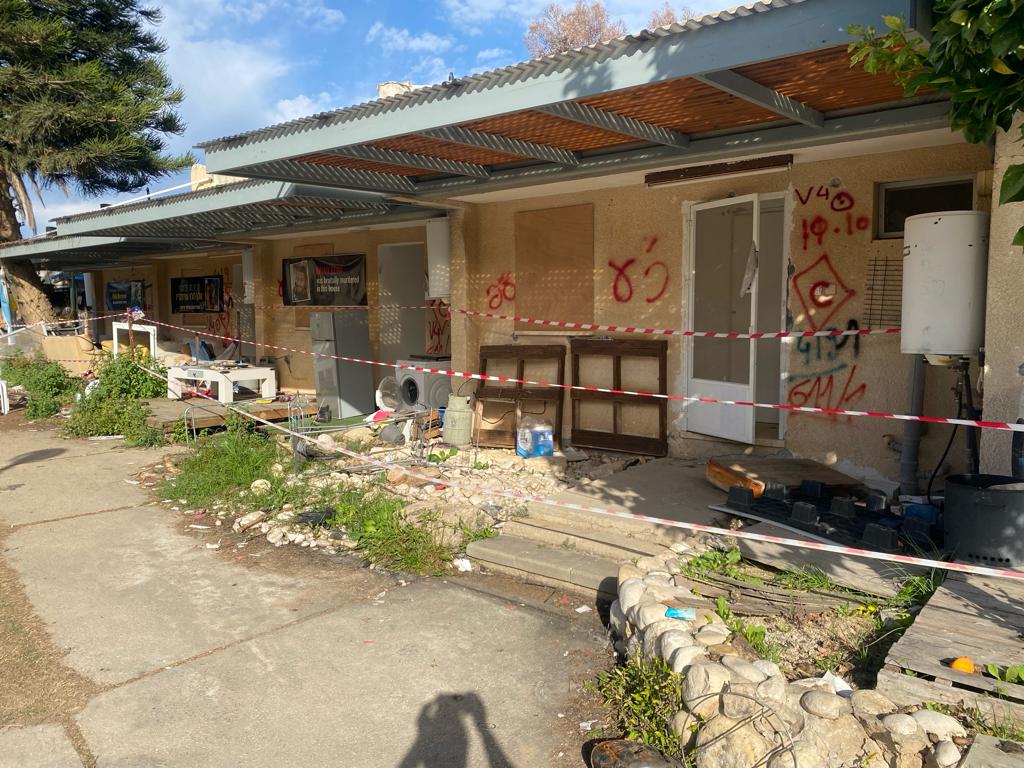
Beautiful homes remained frozen in time. Family photographs still sat on shelves. Children's toys were scattered across rooms. Newspapers remained on tables. In some yards, sukkahs still stood untouched.
“It looked as though the families had simply stepped away for a moment,” Miriam says.
Bringing Viewers Inside the Story
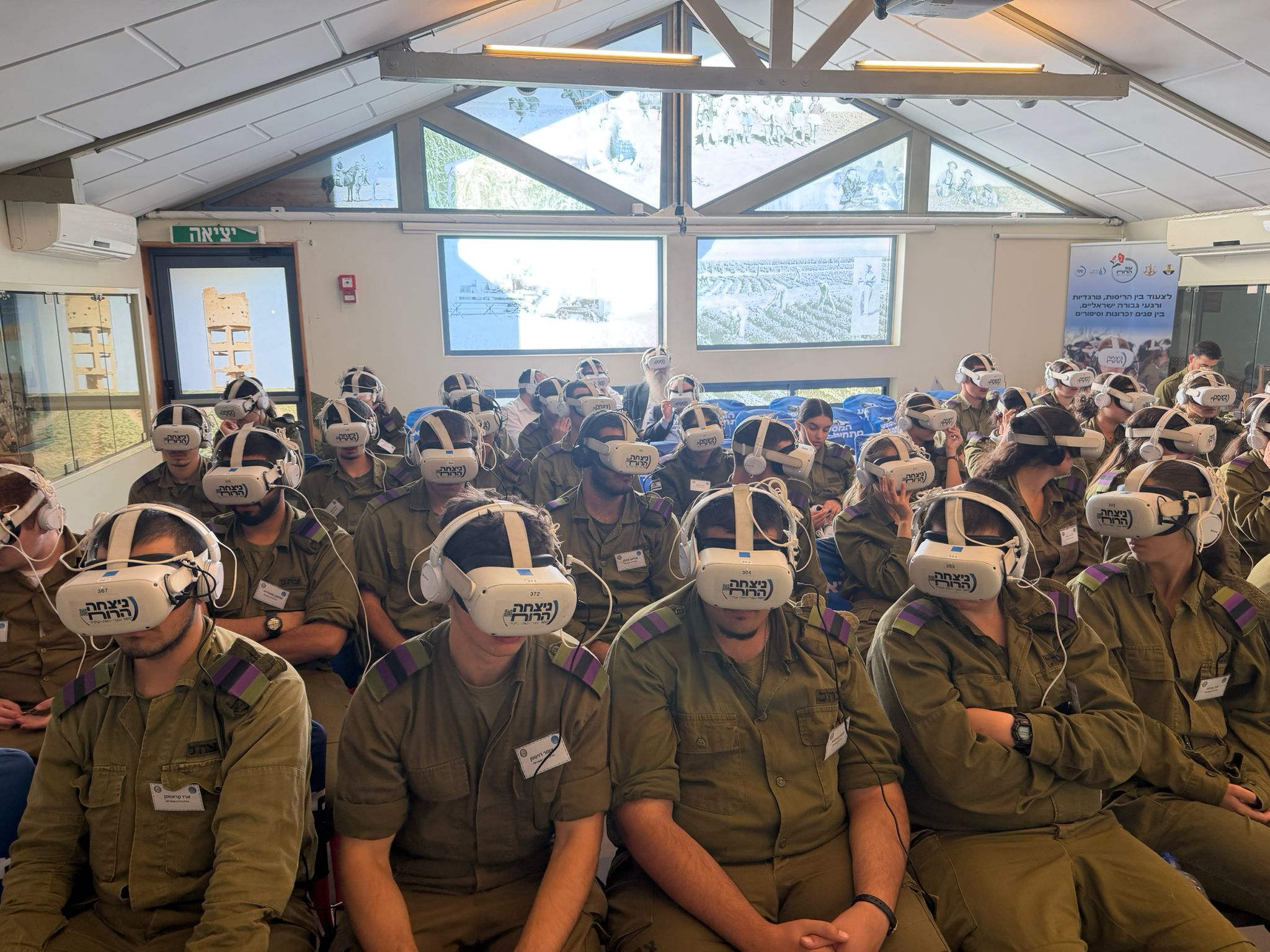
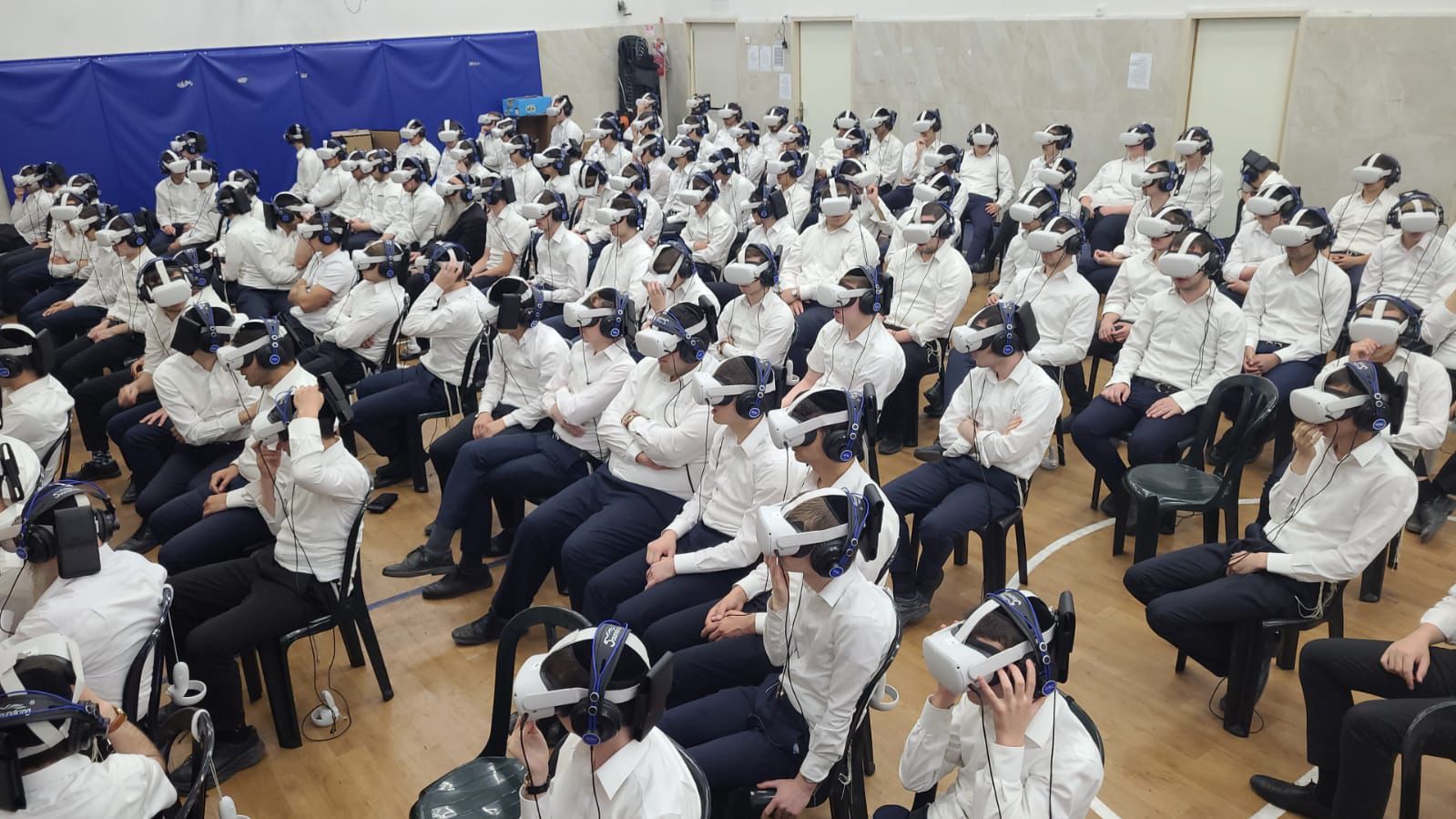
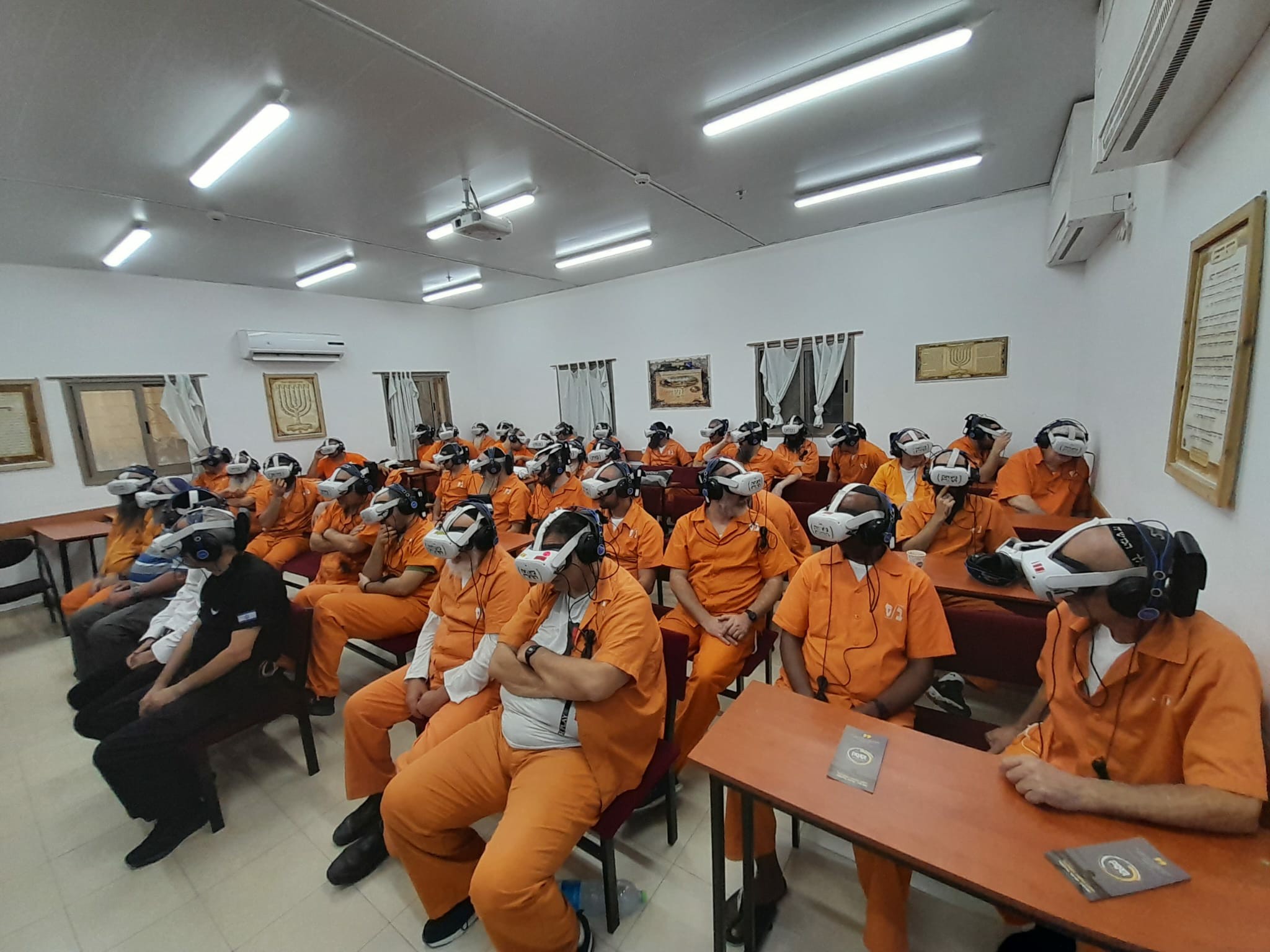
Like their Holocaust project, this production uses virtual reality technology to create a fully immersive experience.
“Viewers enter the homes and see everything we saw,” Miriam explains. “But alongside the destruction, they hear incredible stories of courage and heroism. They hear about people who saved lives, fighters who protected others, and victims who recited Shema Yisrael in their final moments.”
One especially moving story involves a boy from Be’eri who was nearly bar mitzvah age during the attack.
“He told his parents that his rabbi had taught him that Jews should say Shema Yisrael during times of danger,” Miriam recounts. “Every time gunfire erupted outside their safe room, the family recited Shema together.”
The family survived.
“At the end of the film, viewers see him reading from the Torah at his bar mitzvah. It is an example of how the production can completely break your heart while simultaneously filling you with hope and strength.”
Faith Amid Darkness
Naturally, not everything they filmed was included in the final production.
“Of course not,” they say immediately.
Different versions were created for different audiences, including military personnel, international viewers, general audiences, and the Haredi community.
One especially powerful segment features Rabbi Yisrael Goldwasser.
“There is a moment when Rabbi Goldwasser breaks down emotionally near the breached border fence,” Miriam says. “He speaks about the longing parents feel for their hostage children and compares it to the longing of the Shechinah for the Jewish people.”
His message leaves viewers deeply moved.
“No one remains dry eyed.”
The hostage crisis affected the filmmakers personally as well.
“For me, the hostages were the hardest part,” Miriam shares. “Parents waiting without knowing the condition of their child is simply unimaginable.”
Yet she says that this suffering also deepened her faith.
“You tell yourself that if our Father in Heaven truly loves us, then somehow even this unimaginable pain must ultimately lead to good. That belief carried me through the entire project.”
Changing Hearts Around the World
Through cooperation with Israel's Ministry of Diaspora Affairs, the production has been shown internationally as a tool for advocacy.
The response surprised even the filmmakers.
“We watched hundreds of non Jews put on the VR headsets,” Chani says. “Some arrived openly hostile to Israel. They came out crying.”
During discussion panels afterward, many expressed support for Israel and the Jewish people.
“This is not ordinary advocacy,” she explains. “Virtual reality places people inside the experience. Once you've seen it with your own eyes, you cannot deny what happened.”
One People, One Future
Beyond international advocacy, the filmmakers see the project as an opportunity to strengthen unity within Israel itself.
“There is a unique opportunity here,” Miriam explains. “We can bring faith and spiritual strength to audiences that may not encounter it regularly, while also exposing the Haredi community to the stories and experiences of the Gaza border residents.”
At the end of the day, she says, the message is simple.
“We are one people with one future and one mission. We are trying to bring hearts closer together.”
The Spirit Wins
Did they ever regret taking on such a difficult mission?
“Never,” Miriam answers immediately.
“There were moments when it felt unbearable. There were times I wanted to scream and ask why I was doing this. But regret? Never. I felt I owed it to my people.”
She compares her role to others who serve the nation in different ways.
“There are soldiers risking their lives on the battlefield. There are Torah students increasing their learning and prayer. I felt that this was my small contribution.”
Chani finds inspiration in a famous Midrash describing the future destruction of the evil inclination.
“The righteous and the wicked will both cry,” she explains. “The righteous will wonder how they overcame such a massive challenge, while the wicked will wonder how they failed to overcome something that ultimately appears so small.”
Whenever someone tells her how much the production impacted them, she thinks of that Midrash.
“I cry every time,” she says. “Creating this was incredibly difficult. But it was also incredibly important. And I always feel there is still more we could do.”
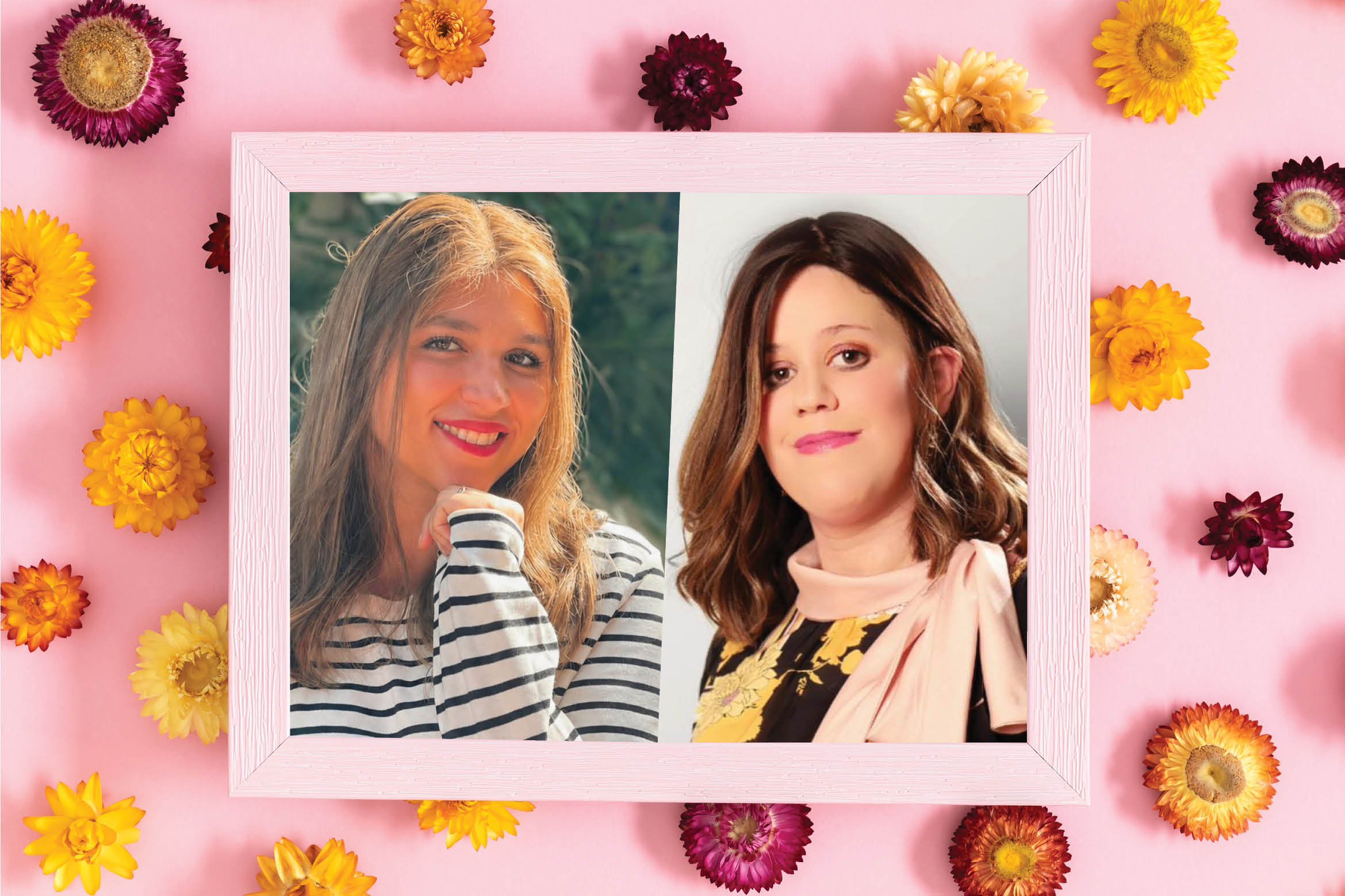 From right: Chani Kopolowitz (Photo: Malchi Lasker) and Miriam Cohen (Photo: Rivka Shabtai)
Continuing the Mission
Today, Chani and Miriam are already working on their next documentary project.
This time, they are focusing on Holocaust survivor Avigdor Neuman, who shares his remarkable story of surviving the Holocaust after being thrown into its horrors as a 12 year old boy and choosing life every day with extraordinary courage.
“We do not know where life will lead us next,” they say. “But one thing is absolutely clear: we will do everything we can to preserve and spread the victory of the Jewish spirit. That is one of the most important missions we have today.”

