

Facts You Didn't Know
8 Amazing Facts About Air That Will Change the Way You Think About Every Breath
From the thousands of liters we breathe each day to the surprising way air affects our mood, discover fascinating facts about the invisible substance that makes life on Earth possible
- Shira Dabush
- | Updated

We hardly ever think about it. It's invisible, colorless, and usually odorless, yet without it we wouldn't survive for more than a few minutes.
The air surrounding us every moment is one of the greatest wonders in the world, and it contains more than a few surprising secrets. Here are eight fascinating facts that may make you see it in a completely different light.
1. We Breathe Thousands of Liters of Air Every Day
Most people have no idea how much air passes through their bodies each day.
The average adult takes between 20,000 and 25,000 breaths every 24 hours. During that time, thousands of liters of air move through the lungs.
This remarkable system operates continuously, whether we are sleeping, working, eating, or exercising. It is one of the most extraordinary processes in the human body, functioning automatically without any conscious effort.
2. Air Is Not Mostly Oxygen
Although oxygen is the gas most essential for human life, it is not the primary component of air.
About 78 percent of the atmosphere is nitrogen, roughly 21 percent is oxygen, and the remaining percentage consists of other gases in small amounts, including argon, carbon dioxide, and water vapor.
This precise balance is what makes life on Earth possible.
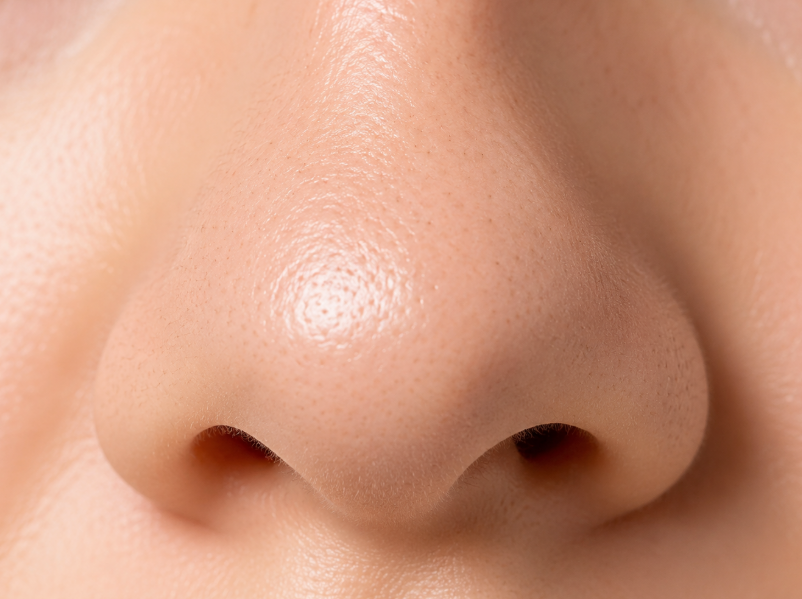
3. Your Nose Is a Sophisticated Filtration System
Many people do not realize that the nose is much more than a breathing organ.
Air entering through the nose is filtered, warmed, and humidified before reaching the lungs. Tiny nasal hairs and the internal structure of the nose help trap dust, dirt, and other particles that could potentially harm the body.
This is one reason why breathing through the nose is generally considered healthier than breathing through the mouth.
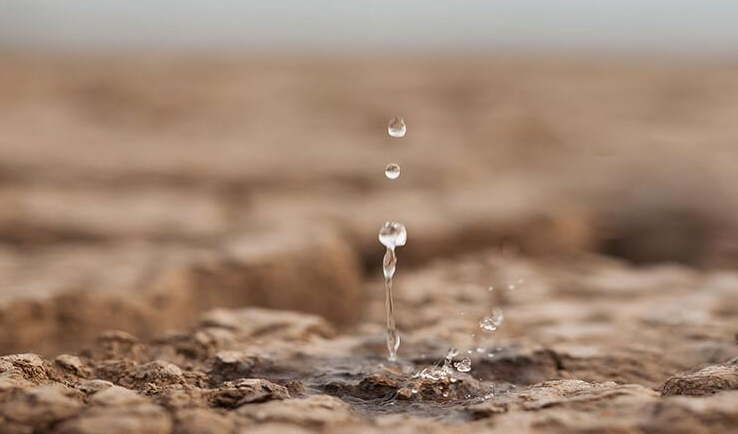
4. Rain Creates a Special Scent From the Earth
Most of us recognize the pleasant smell that rises from the ground after the first rainfall.
This phenomenon even has a scientific name: petrichor.
When raindrops strike dry soil, they release natural compounds from the earth and surrounding vegetation into the air. The human nose is remarkably sensitive to these compounds, allowing us to detect the scent even at very low concentrations.
5. Trees and Plants Help Keep the Air Clean
The greenery around us does much more than beautify the landscape.
Through photosynthesis, trees and plants absorb carbon dioxide and release oxygen. They also help reduce certain airborne pollutants and contribute to improved air quality in cities and communities.
This is one reason parks, forests, and green spaces are so important for public health.

6. Breathing Becomes More Difficult at High Altitudes
Anyone who has visited a high mountain has probably experienced this firsthand.
As elevation increases, air pressure decreases. As a result, less oxygen is available with each breath.
This is why mountain climbers must gradually acclimate to higher altitudes and sometimes rely on supplemental oxygen when ascending the world's tallest peaks.
7. Babies Breathe Faster Than Adults
If you watch a sleeping baby, you will notice that their breathing rate is much faster than that of an adult.
This is because their small bodies require more oxygen relative to their body weight, and their respiratory systems are still developing.
For this reason, breathing rate is an important indicator that healthcare professionals use when assessing the health of infants and young children.

8. Air Affects Your Mood Too
The air we breathe influences us more than many people realize.
Spending time in a closed, poorly ventilated room can lead to fatigue, reduced concentration, and a feeling of sluggishness. Fresh air and good ventilation, on the other hand, can improve alertness and increase feelings of vitality.
This is one reason doctors and health professionals recommend airing out homes regularly, even during the winter months.
The Wonder We Rarely Notice
Most of the time, we hardly think about the air around us. It doesn't demand our attention as it moves in and out of our lungs thousands of times each day.
Yet when we pause and consider this remarkable system, it is difficult not to be amazed. Air, which seems so simple and ordinary, is actually one of the most fundamental and fascinating requirements for life itself.
Perhaps the next time you step outside, feel the breeze on your face, or take a deep breath after a rainfall, you will remember that even the simplest things in life contain extraordinary wonders. For those who believe, they can also serve as a reminder of the Creator's immense kindness woven into the fabric of the natural world.

