

Seventeenth of Tammuz (Shiva Asar B'Tammuz)
The Fast of the 17th of Tammuz: Why This Day Still Matters Today
The events that took place on the 17th of Tammuz, and how this day challenges us to reflect on the values and boundaries that shape our lives
- Sivan Rahav-Meir
- | Updated
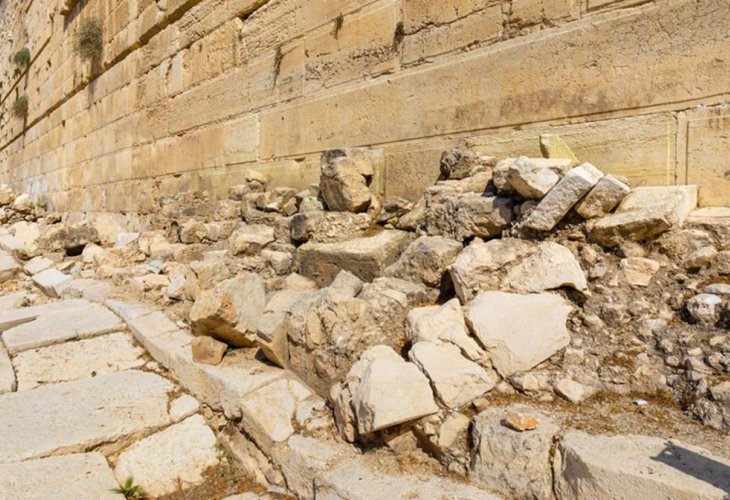 (Photo: shutterstock)
1. What Happened on the 17th of Tammuz?
On the 17th of Tammuz, the walls of Jerusalem were breached by Titus and the Roman army. Three weeks later, on Tisha B'Av, the Holy Temple was destroyed. The fast begins at dawn and ends at nightfall.
2. The Beginning of the Three Weeks
The 17th of Tammuz begins the period known as "Bein HaMetzarim" ("Between the Straits"), also called the Three Weeks. During these three weeks, leading up to Tisha B'Av, Jews observe various customs of mourning to commemorate the destruction of Jerusalem and the Temple.
3. Four Additional Tragedies Occurred on This Date
Our sages teach that four other major disasters took place on the 17th of Tammuz:
Moses descended from Mount Sinai, saw the Golden Calf, and shattered the Tablets of the Covenant.
The daily Temple offering (Korban Tamid) ceased.
The wicked Apostomus burned a Torah scroll.
An idol was placed in the Holy Temple.
4. What Connects All of These Events?
Each of these events shattered something that seemed permanent and unshakable.
The strong walls of Jerusalem were suddenly breached. The daily sacrifice, offered faithfully every day, came to an abrupt halt. The sacred Tablets, symbols of an eternal covenant, were broken into pieces.
The message of this day is to strengthen the foundations of our own lives. It invites us to examine the walls, boundaries, values, and principles that protect us. What are the foundations we take for granted? And what can we do to ensure they remain strong and unbroken?
5. A Time for Reflection and Growth
This season reminds us that despite all the progress we have made, the world has not yet reached complete redemption. There are still broken pieces in our personal lives and in our national life.
Recent events, ongoing conflicts, and the challenges facing people around the world serve as painful reminders that much work remains to be done.
The purpose of the fast is not merely to experience discomfort. It is intended to inspire reflection, self-examination, and positive change. By looking honestly at what needs repair — within ourselves and within society, we can take meaningful steps toward a better future.
May we merit good news, peace, and the ultimate redemption.

