

Raising Children
11 Expert Tips to Help Your Child Adjust to Preschool and Ease Separation Anxiety
Starting preschool can be emotional for both children and parents. Discover practical strategies to build confidence, reduce anxiety, and make daily drop-offs smoother and less stressful
- Naama Green
- | Updated
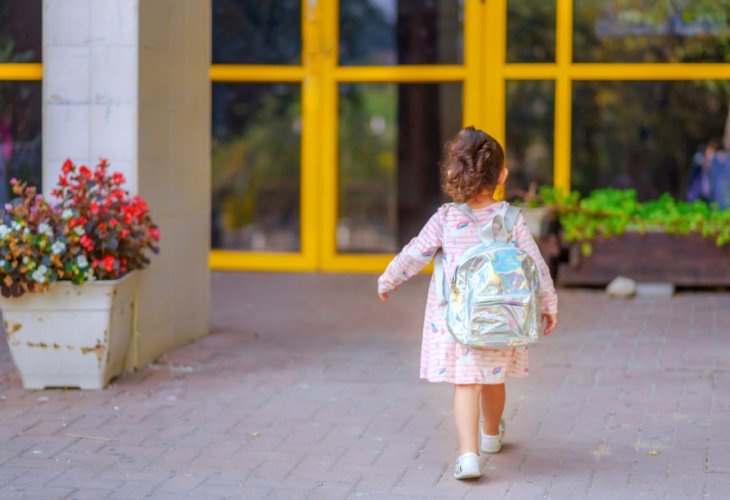 (Photo: Shutterstock)
This week, tens of thousands of children across the country began a new school year in preschools and kindergartens. Separation difficulties during the first days of preschool or school are a common and familiar experience for many children.
For most children, preschool represents their first significant step away from the familiar and secure environment of home and into the wider world.
It is not only children who find separation difficult. Many parents struggle with it as well. Often, they feel that their child still needs them and worry that the child will not manage without them. Others feel that they are losing control and will no longer be able to protect their child in every situation. Some parents, on a subconscious level, find it difficult to separate because their child fills their days with meaning, and if financial or social considerations were not involved, they might prefer to continue staying home together.
It is important to understand that separations and transitions will accompany our children throughout their lives. One of our most important roles as parents is therefore to help our children learn how to separate in healthy, age-appropriate ways.
Children who learn to separate successfully develop emotional independence, confidence in the world, and trust in their ability to cope on their own. This understanding will influence their ability to handle future challenges and transitions throughout life.
Following are 11 practical tips to help both you and your child navigate separation and adjust confidently to a new preschool.
1. Stay Calm, Relaxed, and Confident
A parent who feels guilty about sending their child to preschool, or who constantly worries and pities the child, may unintentionally make separation more difficult.
By contrast, a parent who approaches the situation positively communicates confidence in the child's ability to cope. This belief greatly increases the likelihood of a successful adjustment.
2. Have Only One Parent Handle Drop-Off
Separating from one parent is difficult enough.
Separating from two parents at once can be even harder.
Whenever possible, only one parent should accompany the child to preschool. Ideally, this should be the parent from whom the child separates more easily.
3. Maintain Connection Throughout the Day
Although you are physically apart, your child can still feel connected to you.
Place a small drawing, note, or photo in your child's backpack or cubby so they can look at it when they miss you.
You can also give your child something small belonging to you to keep safe during the day, such as an old transit card, a small photo, or another harmless personal item. This can strengthen their sense of connection and security.
4. Use a Comfort Object
If your child has a favorite blanket, stuffed animal, or comfort item, encourage them to bring it along if allowed.
A familiar object can help children feel calmer and more secure in a new environment.
5. Focus on Reuniting Rather Than Separating
During drop-off, talk about seeing each other again later rather than focusing on the separation itself.
For example, instead of saying: "I have to leave now," try saying: "When I pick you up this afternoon, we'll play together and use those new art supplies we bought."
This helps shift the child's attention toward the upcoming reunion rather than the current goodbye.
6. Keep Goodbyes Short and Clear
Have you stayed for a few minutes and decided it's time to go?
Long, drawn-out goodbyes can confuse children and make separation harder.
We do not want children to believe that crying, bargaining, or protesting might change our decision. Otherwise, they may spend each morning testing different strategies rather than learning how to cope with the separation itself.
Children need to know they can trust us to do what we say we will do. They need us to appear confident, trusting both them and the preschool staff. If we view them as helpless, they may begin to see themselves that way as well.
7. Don't Panic if Your Child Cries
If your child cries intensely when you leave, try not to panic or become upset.
You might say: "I can see that this is really hard for you. I know you'll get through it. I hope you have a wonderful day at preschool. I'll see you this afternoon after lunch."
Then offer a hug, a kiss, and leave. Do not return to the classroom, even if your child continues crying.
8. Create a Goodbye Ritual for Babies and Toddlers
Even very young children benefit from predictable routines.
Create a simple goodbye ritual and narrate what is happening: "Mommy is going now, and I'll come back to pick you up this afternoon."
Continue using the same language every day, even if your child is too young to fully understand. The consistency itself creates security and reduces anxiety over time.
9. Never Disappear Without Saying Goodbye
No matter how well your child is playing, do not leave without telling them.
Even if avoiding a goodbye seems easier in the moment, disappearing can damage trust and increase anxiety.
Let the teacher know you are leaving, then calmly tell your child: "I'm going to work now. I'll come back this afternoon. Your teacher is here to play with you."
You can also mention some of the fun activities your child will enjoy that day.
10. Avoid Other Major Changes
The first days of preschool are not the ideal time for additional transitions.
Try to avoid toilet training, moving beds, weaning, or making other significant changes at home during this adjustment period.
Children cope best when changes are introduced gradually rather than all at once.
11. Make Pick-Up Calm and Positive
When you arrive to collect your child, do not rush over dramatically or treat them as though they have endured a terrible ordeal.
Instead, enter calmly and allow your child to notice you.
Avoid immediately asking the staff how much your child cried. Do not approach your child as a victim of the experience.
Remain positive, optimistic, and natural. Focus on the good moments from the day and reinforce your child's growing ability to cope and succeed.
A Final Thought
The first days of preschool can be emotional for both children and parents. Tears do not necessarily mean something is wrong. In many cases, they are simply part of the adjustment process.
When parents combine empathy with confidence, children learn a powerful lesson: they can face challenges, adapt to change, and thrive — even when something feels difficult at first.
Those lessons will serve them far beyond preschool.

