

Between the Straits (The Three Weeks)
Preparing for the Three Weeks: A Powerful Insight and Two Halachot
Why do Jews observe customs of mourning during the Three Weeks, and are weddings permitted during this period? Find out in today's halacha and inspiration feature.
- Hidabroot
- | Updated
With the Three Weeks approaching, many people begin reviewing the customs and halachot associated with this important period on the Jewish calendar. Alongside today's inspiring quote from Nefesh HaChaim, here are two practical halachot based on the rulings of Maran Rabbi Ovadia Yosef zt"l.
Today's Quote
"And this, too, is included in the unification expressed in the first verse of Kriat Shema: 'Hashem is our God, Hashem is One.'
That is to say: one should intend that He, may He be blessed, is our God, the Master of all powers, and the root source of our souls, our life force, and that of all creations and all worlds."
(Nefesh HaChaim, Gate 3, 11:6)
This teaching reminds us that when we recite Shema, we are not merely declaring Hashem's oneness. We are affirming that He is the source of all life, all strength, and all existence. Everything we have and everything we are comes from Him alone.
Why Do We Observe Customs of Mourning During the Three Weeks?
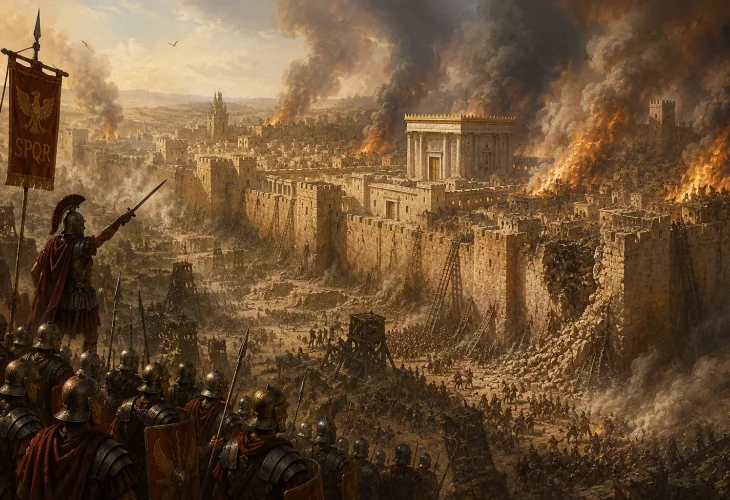
On the verse in Eichah (1:3), "All her pursuers overtook her between the straits," our sages explain that this refers to the period between the Seventeenth of Tammuz and the Ninth of Av.
These were the days when Jerusalem came under attack, leading to the destruction of the Beit HaMikdash on the Ninth of Av. Because of these tragic events, the Jewish people accepted various customs of mourning during this period to remember the destruction and inspire spiritual reflection.
Is It Permitted to Hold a Wedding During the Three Weeks?
The Ashkenazi custom is to refrain from conducting weddings throughout the Three Weeks.
However, the Sephardi custom permits weddings until the end of the month of Tammuz, and there is no need to refrain from doing so during that time. In cases of necessity, there is room for leniency even among Ashkenazim.
In addition, an Ashkenazi Jew may attend the wedding celebration of Sephardi Jews held during this period.
Nevertheless, from Rosh Chodesh Av until the Ninth of Av, Sephardim also do not conduct weddings, since these days are considered a period of diminished joy. As our sages teach, "When Av begins, joy is reduced."

