

Health and Nutrition
Still Drinking Diet Soda? 3 Potential Health Concerns to Know About
Diet drinks may save calories, but research suggests they could also affect cravings, gut health, and eating habits in unexpected ways. Here's what experts want you to know.
- Shira Dabush
- | Updated
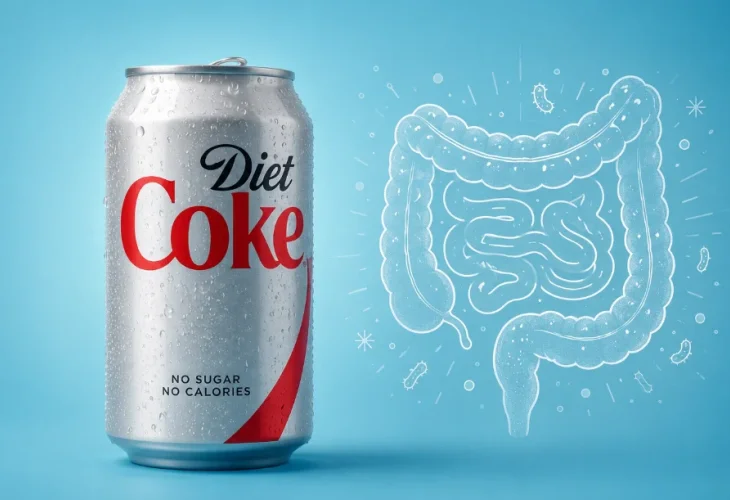
Diet sodas and other "zero sugar" drinks have become a staple for millions of people around the world. For anyone looking to cut calories or reduce sugar intake, they seem like the perfect solution: all the sweetness, without the extra calories.
But as research continues to evolve, scientists are discovering that the story may be more complicated than it first appeared.
While diet drinks contain little or no sugar, they still expose the body to artificial sweeteners and other ingredients that may affect various systems in ways researchers are only beginning to understand. Although health authorities around the world consider approved artificial sweeteners safe when consumed within recommended limits, many experts suggest treating diet beverages as an occasional choice rather than a daily replacement for water.
Here are three ways excessive consumption of diet drinks may affect your health.
They May Increase Cravings for Sweet Foods
Many people choose diet drinks as a way to reduce their sugar intake. However, some researchers believe that the intense sweetness of artificial sweeteners may have an unintended effect.
When the brain detects a sweet taste, it expects a certain amount of energy to follow. With artificial sweeteners, that energy often never arrives. Some experts suggest that this mismatch may leave the brain continuing to seek sweetness, potentially increasing cravings for sugary foods.
This may help explain why some people report feeling hungrier or more tempted to snack after drinking diet beverages.
They May Affect Gut Health
Over the past decade, scientists have learned that the trillions of bacteria living in the digestive system play a crucial role in overall health.
Known as the gut microbiome, this complex community of microorganisms is linked to digestion, immune function, metabolism, and even mood.
Several studies have raised the possibility that certain artificial sweeteners may alter the balance of gut bacteria in some individuals. While researchers are still investigating the extent of these effects, and not all studies have reached the same conclusions, the connection between artificial sweeteners and gut health remains an active area of scientific interest.
They May Encourage "Compensatory Eating"
One of the less obvious effects of diet drinks has nothing to do with the drink itself.
Many people experience what nutrition experts call a compensation effect. After choosing a diet soda instead of a regular sugary drink, they feel they have "saved" calories and therefore earned a larger dessert, an extra snack, or a bigger meal.
It is a common behavior that can happen almost without noticing. In some cases, the extra calories consumed afterward may completely offset the calories that were saved by choosing the diet drink in the first place.
For this reason, many nutrition experts emphasize that overall eating habits matter far more than any single food or beverage. What ultimately affects health is not just what is in the can or bottle, but the broader dietary patterns that surround it.
The Bottom Line
Diet drinks can be a useful tool for reducing sugar consumption, and approved artificial sweeteners are generally considered safe when consumed in moderation. However, they are not necessarily a free pass to better health.
Potential effects on cravings, gut bacteria, and eating behaviors suggest that moderation remains important. Most health professionals agree that water should still be the primary beverage of choice, while diet drinks are best enjoyed occasionally as part of a balanced lifestyle.

