

Health and Nutrition
Common Leftovers That Can Become Unsafe in the Fridge After Just Two Days
Food safety experts warn that some leftovers can harbor harmful bacteria even when they look and smell normal
- Yitzchak Eitan
- | Updated
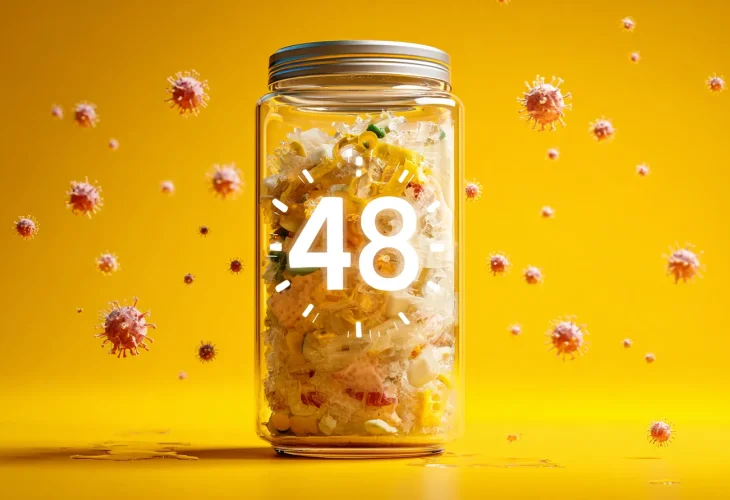
Storing leftover food in the refrigerator is part of everyday life, but food safety experts warn that many people underestimate the risks involved. While refrigeration slows bacterial growth, it does not stop it completely. In many cases, foods that look perfectly normal, smell fine, and taste unchanged may still contain dangerous levels of bacteria or toxins capable of causing serious food poisoning.
According to food safety specialists, there are four types of foods that require particular caution and are best consumed within two days.
1. Undercooked Meat and Fish
The first category includes meat and fish that have not been fully cooked. Partially cooked proteins may harbor harmful bacteria such as Salmonella, Listeria, or E. coli, which can continue to multiply even under refrigerated conditions.
Experts recommend thoroughly reheating these leftovers before eating them again to reduce the risk of foodborne illness.
2. Salads and Cut Vegetables
A surprisingly vulnerable category is fresh salads and cut vegetables.
Once vegetables are chopped, their cell structures are damaged, releasing moisture that creates an ideal environment for bacterial growth. Leafy greens, in particular, are considered especially susceptible to contamination and foodborne outbreaks.
For maximum safety and freshness, cut vegetables and prepared salads should be consumed as soon as possible.
3. Rice and Pasta
Food poisoning caused by the bacterium Bacillus cereus is so common that it has earned the nickname "fried rice syndrome" in medical literature.
This type of food poisoning often occurs when cooked rice or pasta is left at room temperature for extended periods. The bacteria can survive the initial cooking process and continue producing toxins if the food is not cooled properly.
To minimize the risk, experts recommend transferring cooked rice and pasta into shallow containers and refrigerating them as quickly as possible rather than leaving them on the countertop to cool for long periods.
4. Large Pots of Soup and Stew
The final category includes large batches of soup, stew, and other deep-pot dishes.
When a large, full pot is placed directly into the refrigerator, the outer portions cool quickly while the center may remain warm for several hours. This creates ideal conditions for bacteria to multiply and produce heat-resistant toxins that reheating may not completely eliminate.
To reduce this risk, divide large quantities of soup or stew into smaller containers before refrigerating them. Smaller portions cool more quickly and safely.
Refrigeration is an important food safety tool, but it is not a guarantee against bacterial growth. Foods such as undercooked meat, fish, cut vegetables, rice, pasta, soups, and stews require special attention. Proper cooling, storage, and timely consumption can significantly reduce the risk of food poisoning and help keep your family safe.

