

Health and Nutrition
7 Surprising Ways Stress Shows Up on Your Face and Body
Expensive skincare can only do so much. Chronic stress may be having a bigger impact on your appearance than you realize.
- Tehila Cohen
- | Updated
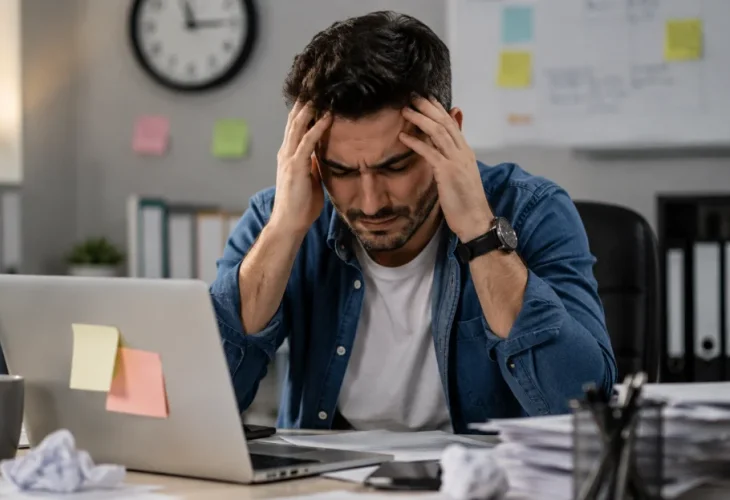
We often think of stress as something that affects only our mood or energy levels. But the truth is that ongoing stress can leave visible marks on the body as well. From dull skin and hair shedding to dark circles and brittle nails, emotional pressure doesn't just affect how we feel, it can also influence how we look. While no cream or beauty treatment can completely erase the effects of chronic stress, understanding the connection between mind and body can help us take better care of both.
The Surprising Ways Stress Can Affect Your Appearance
Dull, Tired-Looking Skin
When we're under prolonged stress, the body produces higher levels of stress hormones, particularly cortisol. Over time, this can affect the skin's appearance, making it look less radiant and more fatigued.
Some people notice that during especially stressful periods, their skin becomes drier, more sensitive, or loses its healthy glow. Others may experience increased redness or irritation.
Why Breakouts Often Appear at the Worst Time
Have you ever noticed a breakout appearing right before a big presentation, important exam, major move, or stressful deadline?
That's not your imagination.
Stress can stimulate oil production in the skin, which may contribute to clogged pores and blemishes. It can also worsen existing skin conditions such as eczema, psoriasis, rosacea, or acne in people who are already prone to them.
Stress and Hair Loss
Hair is often one of the first places where the effects of stress become visible.
During periods of significant physical or emotional strain, more hair follicles may enter a resting phase. As a result, increased shedding can occur weeks or even months after the stressful event has passed.
While this type of hair loss is often temporary, persistent or severe shedding should be discussed with a healthcare professional to rule out other underlying causes.
Your Eyes Often Reveal More Than You Think
After a night of poor sleep or a particularly difficult week, the signs often show up around the eyes first.
Stress and fatigue can contribute to:
Dark circles
Puffiness
Swelling around the eyes
A generally tired appearance
That's one reason people may comment that you "look tired" before you've even mentioned what you're going through.
Facial Tension Leaves a Mark
Stress doesn't only affect the skin—it can also affect the muscles beneath it.
Many people unconsciously clench their jaw, tighten their forehead, or furrow their brows when they're anxious or overwhelmed. Over time, these habits can contribute to facial tension and a more strained appearance.
Even Your Nails Can Be Affected
The effects of stress can extend all the way to your fingertips.
Some people develop habits such as nail-biting during stressful periods. Others may notice that their nails become more brittle, weaker, or slower-growing than usual.
While these changes are often temporary, they can serve as another reminder of how closely connected the body and mind truly are.
The Good News: Recovery Is Possible
Just as stress can affect the body, reducing stress can help the body recover.
Quality sleep, regular physical activity, balanced nutrition, meaningful social connections, and time to rest can all support both physical and emotional well-being. Many people notice that their skin looks brighter, their energy improves, and their overall appearance becomes more vibrant after a vacation, a calmer season of life, or a reduction in chronic stress.
The takeaway is simple: taking care of your mental health isn't separate from taking care of your body. The two are deeply connected.
If you're experiencing significant or ongoing stress, don't hesitate to seek support. Looking after your emotional well-being may be one of the most powerful things you can do for your overall health, and it might even show on your face.

