

Recipes for Shabbat
Something’s Cooking with Mindy: Your Questions Answered
Practical tips for better cholent, Jerusalem kugel, healthier cooking, and common kitchen troubleshooting
- Mindy Replowitz
- | Updated
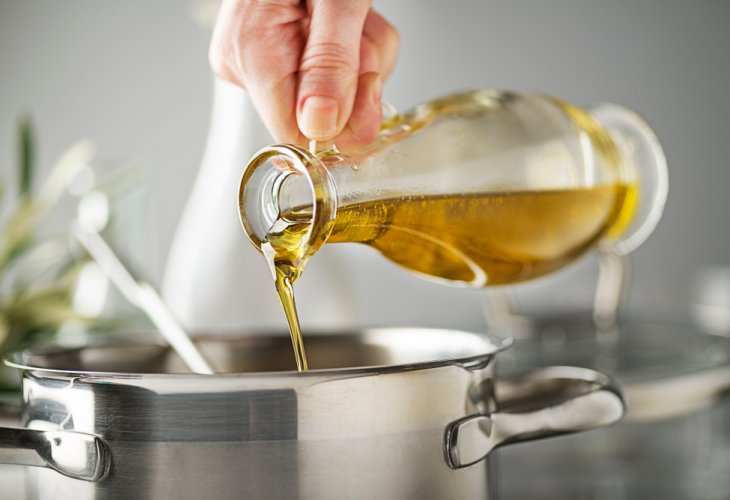 (Photo: shutterstock)
Do catering halls have a special recipe for cholent that the rest of us don’t know about? What do they add that makes it taste so much better? And is there any chance those secrets will ever be revealed?
The same question applies to Jerusalem kugel — that distinctive spicy flavor, the famous firm texture, and the deep brown color. Something is definitely happening there, and I’d love to know what it is.
Answer:
First of all, thank you for giving me the opportunity to discuss improving Shabbat dishes. This is one of our weekly opportunities as Jewish women to experience the spirituality of preparing food in honor of Shabbat. Naturally, we all want to do it as well as possible.
I don’t know exactly what catering halls do, but I can tell you what we do at home. (I can already imagine the dozens of responses I’ll receive on this topic — because every cook has the method, proven over countless Shabbats.) I’m sure there are many good approaches.
The real secret of cholent is cooking time. Like fish stock, there’s no magic recipe — only general guidelines, such as the ratio of water to grains and beans, the type of pot used, and when the cooking begins. Some people even claim their summer cholent turns out better than their winter cholent.
Our cholent cooks in a slow cooker throughout Shabbat.
On Thursday, we sauté onions and garlic, add paprika and water, put in chopped potatoes, and refrigerate everything.
On Friday morning, we transfer the contents into the slow cooker, add the spices and legumes, cover it, and set it to HIGH.
Before Shabbat begins, we check whether it needs additional water (a step we still don’t always get right!), then switch it to LOW and let it cook.
The advantages of a slow cooker are significant:
The heat is evenly distributed, so nothing burns on the bottom.
If the gas unexpectedly runs out on Shabbat, the cholent keeps cooking.
As for Jerusalem kugel, make it according to your own taste.
That may not sound revolutionary, but that’s exactly the advantage of homemade food — you decide what goes in.
Like it spicier? Add more pepper.
Personally, I prefer noodles that remain separate rather than sticking together in one solid mass, so I removed one egg from the recipe I originally received.
We also don’t enjoy excessive sugar or oil, so I reduced both.
For health reasons, I changed the method of caramelizing the sugar as well. Instead of caramelizing it together with hot oil, I caramelize the sugar alone and add the oil directly to the noodles. The taste remains exactly the same.
* * *
Whenever I make ice cream, everything mixes perfectly, but once it freezes, the eggs sink to the bottom and I end up with two distinct layers. Why does this happen?
Answer:
In my experience, there are two likely explanations:
The whipped egg whites were not stiff enough. Be sure to add the sugar gradually only after a foam has begun to form.
The foam was whipped correctly but collapsed during mixing. Fold it gently into the mixture using a flexible spatula rather than stirring vigorously.
* * *
Is soy sauce healthy or not?
Answer:
There is an important distinction between naturally brewed soy sauce and highly processed versions.
Traditional soy sauce is made from soybeans and wheat (and is therefore not suitable for Passover), with no preservatives.
Other varieties contain long lists of preservatives and additives that are difficult even to pronounce.
A good rule for healthier shopping is simple: Read the ingredient list before buying. If it contains long, unfamiliar chemical names, consider leaving it on the shelf.
That said, even natural soy sauce contains a significant amount of sodium, so it’s best used in moderation.
Today’s Kitchen Tip: Use Less Oil
Did you know you can dramatically reduce the amount of oil you use in everyday cooking?
When cooking, steaming, or baking meat and fish, adding oil is often completely unnecessary.
These proteins naturally release their own juices during cooking, creating a flavorful liquid that cooks them beautifully. When cooked slowly in a tightly covered pot, they often don’t even require added water.
Extra oil adds calories and can leave diners feeling heavy afterward, while excess water dilutes the natural flavor of the meat or fish. In our home, guests skip only the extra calories, not the delicious taste.
The same principle applies to many weekday dishes.
When onions are needed as the base for soup or another recipe, there is no need to fry them in large amounts of oil. Instead, cook them slowly over low heat with the lid on, allowing the trapped steam to soften them naturally.
Whenever you worry something might burn, add a little water instead of more oil.

