

Israel News
Knesset Advances Bill to Limit Loudspeaker Use at Houses of Worship
The Knesset gave preliminary approval to the so-called muezzin bill, which aims to limit the use of loudspeaker systems at houses of worship. Under the proposal, operating loudspeaker systems in mosques would be banned unless special permission is granted by the environmental protection minister.
- Yuval Aviv
- | Updated
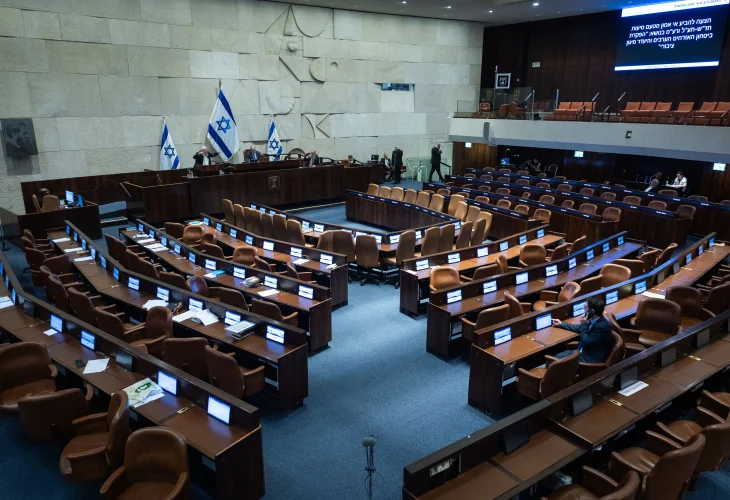 The Knesset plenum (Photo: Yonatan Sindel, Flash90)
The Knesset today (Wednesday) gave preliminary approval to the proposed "muezzin bill," which seeks to limit the use of loudspeaker systems at houses of worship, especially mosques, in an effort to reduce noise disturbances.
The proposal passed with the support of 50 Knesset members, while 36 voted against it. Still, this is only the first stage of the legislative process. Before it can become law, the bill will need to go through committee discussions and then pass three more votes — in its first, second, and third readings.
Knesset members from Yisrael Beiteinu joined in supporting the proposal. Party chairman Avigdor Liberman has backed the initiative for years, and his faction has now continued along that same line. Members of Shas also voted in favor of the proposal, as they had made clear in advance, in line with the party’s position, which had already supported the bill in 2017.
Members of the United Torah Judaism faction did not take part in the vote. Their absence came amid reports of a "deal" taking shape between them and the Arab parties, under which members of the Arab factions were also absent from the preliminary vote on the Basic Law: Torah Study.
The bill is not new, and over the years several different versions of it have been placed on the Knesset table. The version most closely identified with the issue was advanced about a decade ago by Knesset member Moti Yogev of the Jewish Home party, and later also received support from Knesset members David Bitan of Likud and Robert Ilatov of Yisrael Beiteinu.
The bill’s sponsors and supporters stress that the aim of the proposal is not to harm freedom of religion or freedom of worship, but rather to address noise hazards caused by the use of loudspeaker systems.
According to them, the legislation is meant to protect the quality of life of residents living near mosques, especially during the night and early morning hours. The explanatory notes attached to the bill argue that hundreds of thousands of citizens are affected by the volume of the broadcasts, and that there are precedents for regulating the issue in other countries as well, including China.

