

Health and Nutrition
The Salad Dressing Mistake That Could Be Hurting Your Heart
Learn why cardiologists are concerned about seed oils, what to look for on nutrition labels, and how to choose a heart healthy alternative
- Yitzchak Eitan
- | Updated
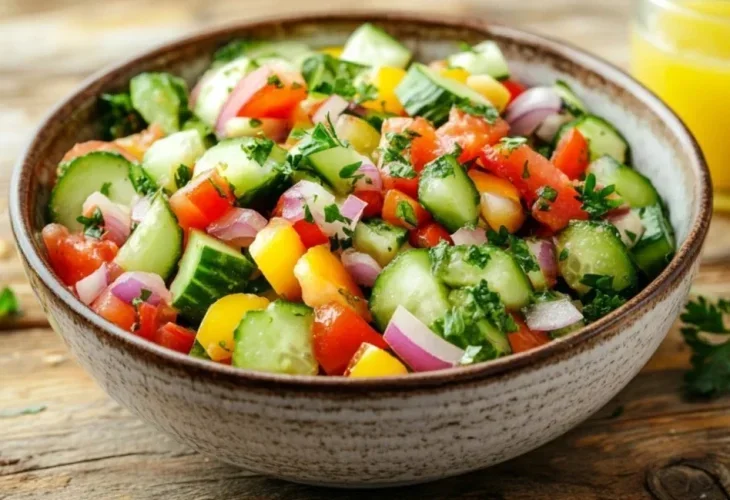
A colorful salad is often considered the gold standard of healthy eating. Packed with fresh vegetables, fiber, vitamins, and antioxidants, it seems like the perfect choice for anyone looking to improve their health. But according to leading cardiologists, one common ingredient may be quietly undermining all those benefits: the bottled dressing.
"A salad full of colorful vegetables is one of the best things you can put on your plate," says Dr. Sheila Sahni, a cardiologist and director of the Women's Heart Program at JFK Medical Center. "But the dressing is where the nutritional story can quickly fall apart."
Dr. Sahni explains that many people unknowingly pour far more than the recommended serving onto their salads. As a result, they may double their intake of calories, sodium, and saturated fat without realizing it.
Why Seed Oils Are Raising Concerns
One of the biggest concerns among heart specialists is the widespread use of seed oils in commercially prepared salad dressings. Common examples include soybean oil, sunflower oil, and corn oil.
Dr. Majid Basit, a cardiologist with Memorial Hermann Medical Group, notes that "store bought dressings often contain seed oils and can add 100 to 200 calories of processed fat."
He also points out that consuming excessive amounts of omega 6 fatty acids, which are abundant in these oils, may weaken the beneficial effects of omega 3 fatty acids, which play an important role in protecting heart health.
How These Oils May Affect Your Heart
According to Dr. Sahni, excessive amounts of linoleic acid, an omega 6 fatty acid commonly found in seed oils, may become oxidized within LDL, often referred to as "bad" cholesterol. This process can contribute to the buildup of plaque inside the arteries, one of the leading causes of heart disease.
Experts emphasize, however, that the issue is not an occasional drizzle of oil over a salad. The greater concern is the large amount of seed oils consumed through processed foods, snack foods, and fast food, which also tend to be low in heart healthy omega 3 fats.
Choosing a Healthier Dressing
If you buy salad dressing, cardiologists recommend reading the nutrition label carefully.
Look for dressings that list olive oil or avocado oil as the primary fat source, since both are rich in heart healthy monounsaturated fats. They also recommend choosing products that contain:
No more than 1 gram of saturated fat
Less than 200 milligrams of sodium
No more than 2 grams of sugar
No corn syrup
The healthiest choice may be the easiest one: make your own dressing at home.
A simple combination of extra virgin olive oil, vinegar, and a little garlic provides excellent flavor while avoiding many of the processed ingredients found in commercial dressings. With just a few fresh ingredients, you can enjoy all the nutritional benefits of your salad without compromising your heart health.

