

Naturopathy and Natural Medicine
Natural Remedies That Work: Home Treatments Backed by Generations of Wisdom
From honey and garlic to ginger, lemon, and aloe vera, discover 10 time tested home remedies that can help soothe everyday ailments naturally, plus learn when it's time to see a doctor instead
- Shira Dabush
- | Updated
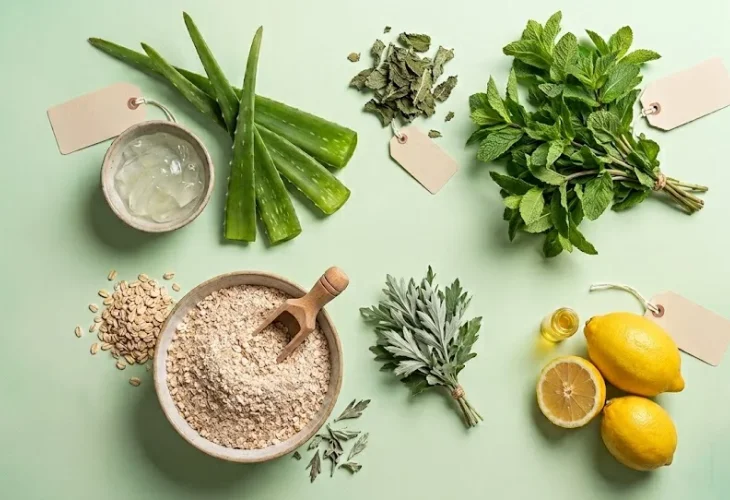
The age of instant solutions has changed us completely. We have become far less tolerant of discomfort, even when it is nothing more than a mild sore throat or a passing cold. At the first sign of illness, many of us rush to the pharmacy looking for a quick fix.
Perhaps we would be better off adopting our grandmothers' perspective. When Grandma insisted that a certain remedy worked for a particular ailment, she was often right. Not because she had graduated from medical school with honors, but because her wisdom had been passed down through generations and proven itself through experience.
Long before modern medicine filled our cabinets with pills and syrups, almost every home had its own collection of "Grandma's remedies." These were not chemical medications, but simple, readily available household ingredients that often brought relief from sore throats, coughs, dry skin, insect bites, digestive discomfort, and many other everyday ailments.
Following are ten remedies worth keeping at home. While they are not a substitute for professional medical care, they can often provide relief for minor complaints without immediately turning to conventional medications.
1. Honey
Honey is one of the best known remedies in traditional medicine. Modern research supports many of its benefits, showing that it can help soothe sore throats and reduce persistent coughs, particularly at night.
Important: Never give honey to infants under one year of age.
2. Ginger
Fresh ginger root has long been used to prepare teas and warm drinks. Grandmothers relied on it during cold season and whenever someone complained of an upset stomach or digestive discomfort.
3. Chamomile
Chamomile tea has long been valued for its calming properties. Grandmothers from Tripoli, Yemen, and Algeria often drank it before bedtime during stressful periods and used it to soothe digestive discomfort as well.
4. Olive Oil
Olive oil is much more than a kitchen staple. It can help soften dry skin and has traditionally been used to calm fussy babies when the cause of their crying was unclear.
In our own family, it remains a tradition to gently massage babies with olive oil to help them relax. Many people also use it to moisturize dry skin on their hands and feet.
5. Coarse Salt
Coarse salt is ideal for preparing warm salt water gargles to ease a sore throat. It can also be added to a warm foot bath after a long day to help relieve tired feet.
6. Aloe Vera
Pure aloe vera gel is widely used to soothe skin after sun exposure and to calm minor skin irritations.
As children, we would pick fresh aloe leaves from the generous aloe plants growing in our Russian neighbor Mira's garden. She knew countless ways to prepare homemade remedies from the plant and happily taught us how to make them ourselves.
7. Mint
Fresh or dried mint leaves make an excellent herbal tea.
In my grandmother’s home, mint or wormwood tea was commonly enjoyed about an hour after meals or between meals to help calm the digestive system.
8. Oatmeal
Oatmeal is not only a nutritious breakfast. It is also an excellent remedy for dry or irritated skin.
If you suffer from irritated skin, try adding finely ground oatmeal to a warm bath. Repeating this daily may help soothe the skin and support its natural healing process.
9. Lemon
Lemon is one of the true stars of the traditional home medicine cabinet. Grandmothers knew how to make use of every drop of juice and every piece of peel for far more than soothing a sore throat.
Its natural acidity, combined with high levels of vitamin C and antioxidants, makes it a versatile remedy for a wide variety of everyday ailments.
Relieving Nausea and Motion Sickness
The powerful aroma of freshly cut lemon has long been considered one of the quickest remedies for nausea, including motion sickness and morning sickness during pregnancy.
Simply cut a lemon in half and inhale its fresh scent deeply, or suck on a small lemon wedge sprinkled with a pinch of salt.
Supporting Digestion
The juice of half a lemon mixed into a glass of warm water first thing in the morning on an empty stomach has traditionally been used to stimulate digestion, reduce bloating, and support the liver's natural cleansing processes.
Soothing Mosquito Bites
The citric acid in lemon may help break down some of the proteins left behind by mosquito bites that contribute to itching and swelling.
Apply a small amount of fresh lemon juice directly to the bite.
Note: It may sting briefly, and you should avoid direct sun exposure immediately afterward to prevent skin discoloration.
Spot Treatment for Pimples
Because of its antibacterial and astringent properties, a drop of fresh lemon juice applied to an individual pimple before bedtime may help dry it out and disinfect the area.
Stopping Nosebleeds
One of the oldest home remedies involves placing a small piece of cotton soaked in fresh lemon juice just inside the nostril to help stop a nosebleed.
As children, our grandmothers often used this remedy after we came home from playing outside with scraped knees and bloody noses. They would gently place the lemon soaked cotton at the entrance of the nostril to encourage the blood vessels to constrict and stop the bleeding.
It certainly stung, and like most children, we usually pulled it out long before it had finished doing its job. Still, it remains one of the classic remedies worth remembering.
10. Garlic
Garlic may be the most powerful remedy in traditional medicine and has been called "nature's antibiotic" for centuries.
Its medicinal power comes primarily from allicin, an active sulfur compound produced when fresh garlic is crushed, chopped, or chewed.
The most common ways garlic has traditionally been used include:
Strengthening the Immune System
Fresh garlic has long been the first line of defense whenever someone in the house began sneezing or feeling run down.
Allicin possesses both antibacterial and antiviral properties that may help the body fight infections.
How to use it: Crush one fresh garlic clove and let it sit for about ten minutes to allow the allicin to fully develop. Then mix it with a teaspoon of honey or olive oil to soften the strong flavor before swallowing.
Treating Fungal Skin and Nail Infections
Because of its natural antifungal properties, garlic has traditionally been used to treat stubborn fungal infections of the skin and toenails.
For fungal skin infections: Crush several garlic cloves, mix them with a carrier oil such as olive oil or almond oil, and apply the mixture to the affected area using a cotton pad. Leave it on for 15 to 20 minutes before washing thoroughly.
For a foot soak: Add three or four crushed garlic cloves and coarse salt to a basin of warm water, then soak your feet for about thirty minutes.
Important Safety Note
Crushed garlic is extremely potent and can irritate or even burn the skin.
Never apply crushed garlic directly to the skin for an extended period or under an airtight bandage, as it may cause chemical burns.
People who take blood thinning medications should consult their physician before consuming large amounts of garlic, since garlic naturally has blood thinning properties.
When Grandma's Remedies Are Not Enough
Home remedies are intended primarily to relieve mild symptoms. If you experience a persistent high fever, difficulty breathing, severe pain, dehydration, an unusual rash, or any other concerning symptoms, it is important to seek medical attention rather than relying solely on home treatment.
Pregnant women, people with chronic medical conditions, and anyone taking prescription medications should also consult a healthcare professional before using herbal remedies or natural supplements.

