

World News
Iran and U.S. Clash Over Hormuz Ceasefire Due to Shipping Disputes
Iran claims it honored the Hormuz ceasefire agreement, while the U.S. warns of consequences for Iran's interference in shipping.
- Hidabroot
- | Updated
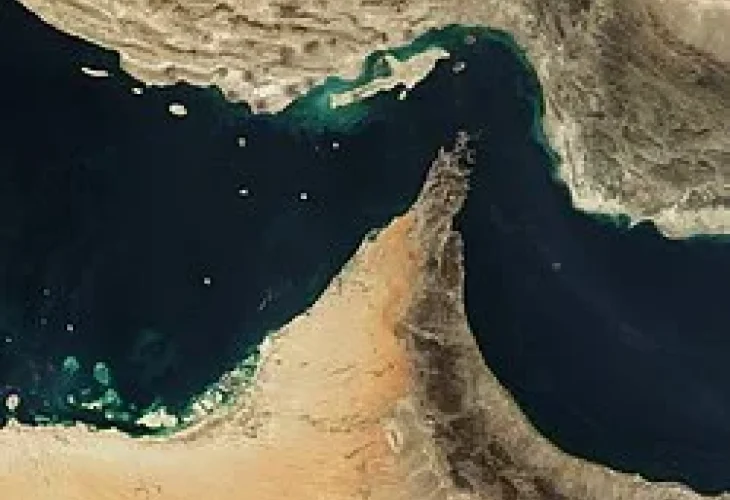
Iran's president declared Tuesday that Tehran has honored its commitments under a memorandum of understanding in good faith, while accusing Washington of failing to uphold its side of the agreement. The statement came as tensions between the two countries escalated sharply over Iranian activity in the Strait of Hormuz, with American officials issuing blunt and pointed warnings about the consequences of continued interference with commercial shipping through the waterway.
"We implemented our commitments under the memorandum of understanding in good faith and with full responsibility," the Iranian president said. "But experience has proven that Washington is not honoring its obligations." He added that Iran would not tolerate any violation of the commitments made or any deviation from the terms of the agreement, and stressed that Tehran remains committed to ensuring permanent regional stability.
American officials offered a starkly different account. A senior U.S. official warned that if Iran does not cease its efforts to obstruct tanker traffic through the Strait of Hormuz, the ceasefire will be at serious risk of collapse — a signal that Washington views Iranian conduct in the strategic waterway as a direct and deliberate threat to the broader framework between the two sides.
A second senior American official went further, stating that Iranian actions in the strait were "completely unacceptable to the United States and will have consequences." The unambiguous language indicates that Washington is prepared to take concrete action should Iran continue what U.S. officials characterize as systematic interference with freedom of navigation through one of the world's most critical maritime chokepoints.
The Strait of Hormuz serves as the conduit for roughly one-fifth of the world's oil supply, and any sustained disruption to shipping there carries immediate and far-reaching consequences for global energy markets. Iran has long leveraged its commanding geographic position along the strait as a pressure instrument in diplomatic and military confrontations with Western powers.
Both governments are now publicly accusing the other of acting in bad faith — a mutual breakdown in trust that leaves the agreement on increasingly fragile ground. The Iranian president insists his country fulfilled its obligations in full; American officials counter with warnings of concrete consequences, though Washington has stopped short of specifying what measures it is prepared to impose. Analysts note that both military and economic options are understood to be under active consideration.

