

Facts You Didn't Know
20 Chef-Approved Cooking Tips That Will Instantly Make Every Meal Taste Better
Master the simple cooking techniques professional chefs rely on to create richer flavors, better textures, and restaurant-quality meals in your own kitchen
- Shira Dabush
- | Updated
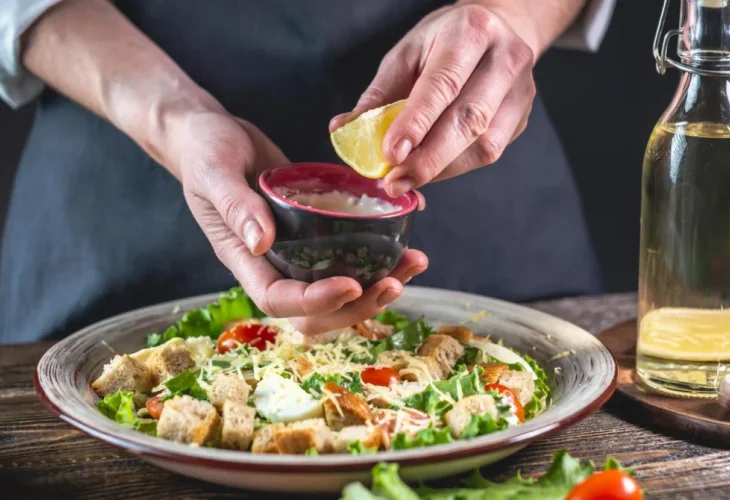
There's a world of difference between good cooking and truly exceptional cooking. Professional chefs say that the secret often lies not in the ingredients, but in the techniques.
Great chefs can transform a simple list of ingredients into an unforgettable meal simply by mastering the details: when to add salt, how to slice vegetables, how long to let dough rest, and countless other small techniques that make a remarkable difference.
We've gathered 20 invaluable cooking tips from some of the world's finest kitchens, including advice from chefs behind Michelin-starred restaurants. Incorporate these techniques into your cooking routine, and you'll likely notice the difference from the very first meal you prepare.
1. Always Preheat Your Pan
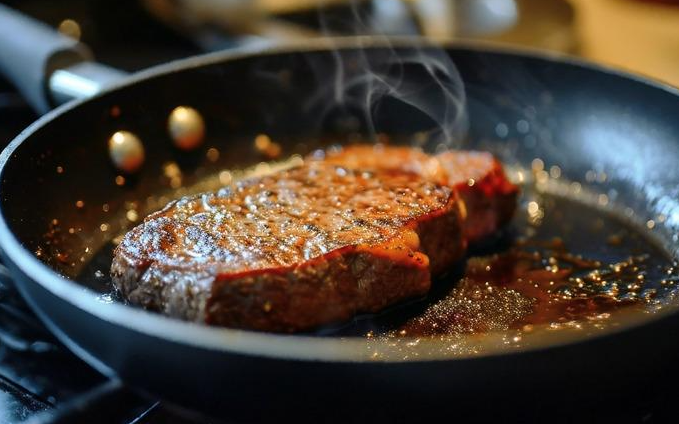
Heat the pan before adding oil. A hot pan helps prevent food from sticking and creates a beautifully browned, flavorful crust. If you add oil to a cold pan, the food cooks more slowly and is more likely to stick or lose its ideal texture.
2. Salt Your Pasta Water Generously
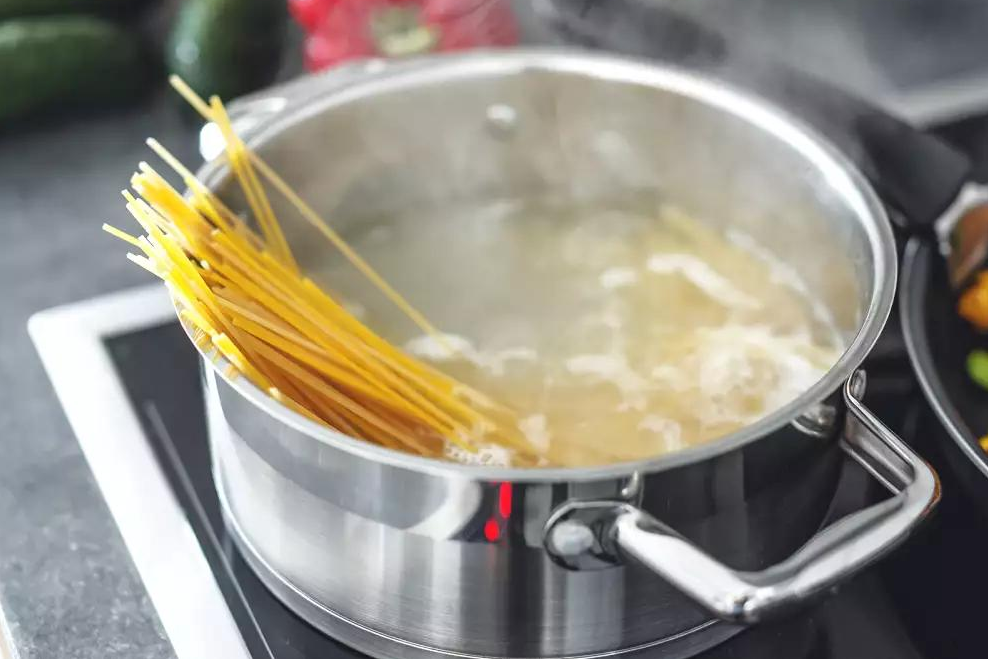
Season your pasta water until it tastes pleasantly salty. This is your only opportunity to season the pasta itself, since pasta absorbs very little flavor from the sauce after cooking.
3. Let Meat Rest After Cooking
After roasting or grilling, allow meat to rest for several minutes before slicing. This gives the juices time to redistribute throughout the meat, resulting in a juicier, more flavorful bite. Cutting into it immediately allows those juices to escape.
4. A Sharp Knife Is a Safer Knife
A sharp knife provides greater precision and control than a dull one. Because it cuts more easily, it actually reduces the risk of slipping and causing injury.
5. Add Fresh Herbs at the End
Fresh herbs should be added just before serving. High heat dulls both their flavor and color, while adding them at the end preserves their freshness and aroma.
6. Bring Meat to Room Temperature
Remove meat from the refrigerator before cooking to ensure more even cooking. Cold meat tends to cook unevenly, often leaving the center undercooked while the outside is already done.
7. Season in Layers
Don't wait until the beginning or end of cooking to add all your seasoning. Season gradually throughout the cooking process to build richer, more balanced flavors.
8. A Touch of Acidity Brightens Every Dish
Finish your dish with a squeeze of lemon juice or a splash of vinegar. A little acidity balances flavors, adds brightness, and prevents rich dishes from tasting heavy.
9. Get to Know Your Oven
Every oven behaves differently. An oven thermometer can help you achieve accurate temperatures, preventing undercooked or overbaked dishes.
10. Prepare Everything Before You Start
Gather and measure all your ingredients before you begin cooking. This keeps the process organized, reduces stress, and helps prevent mistakes.
11. Taste as You Go
Taste your food throughout the cooking process so you can adjust the seasoning before it's too late. Small corrections along the way lead to a much better final result.
12. Pat Fish Dry Before Searing
Dry the surface of fish thoroughly before placing it in the pan. Excess moisture creates steam instead of allowing a crisp, golden crust to develop.
13. Save Your Pasta Water
Before draining cooked pasta, reserve a cup of the cooking water. The starch it contains helps bind the sauce to the pasta and creates a silkier, more cohesive texture.
14. Don't Slice Bread While It's Hot
Allow freshly baked bread to cool slightly before cutting into it. Slicing too early releases steam and can leave the crumb gummy instead of light and airy.
15. Fat Equals Flavor
Don't be afraid of fats like butter or extra virgin olive oil. Used properly, they enhance flavor, improve texture, and add richness to almost any dish.
16. Be Patient with Caramelized Onions
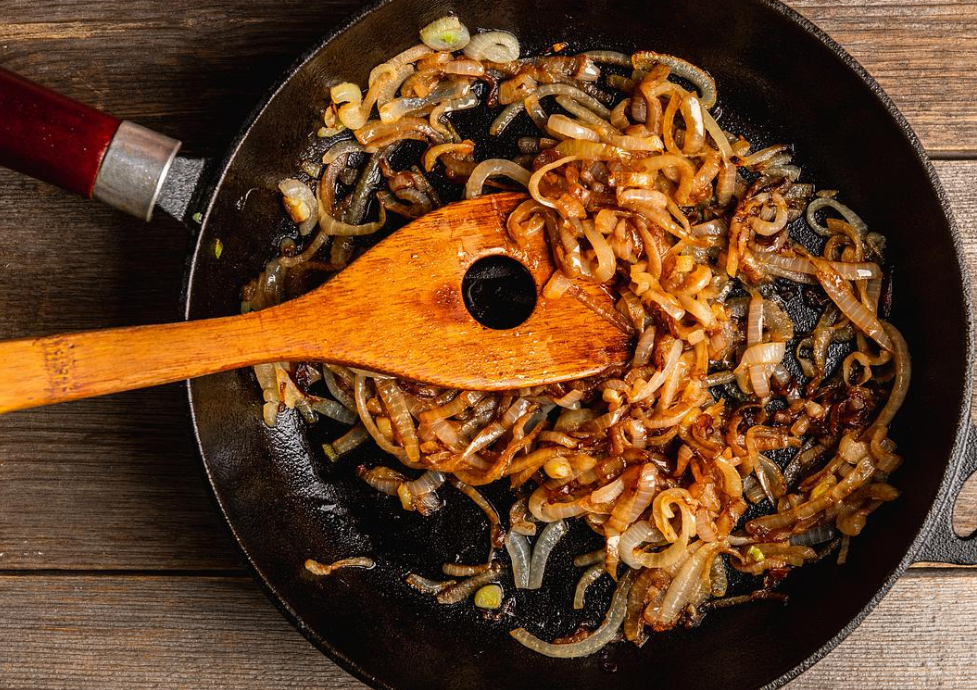
Perfectly caramelized onions require low heat and plenty of time. Slow cooking develops their natural sweetness and creates a deep, complex flavor that simply can't be rushed.
17. Start with Quality Ingredients
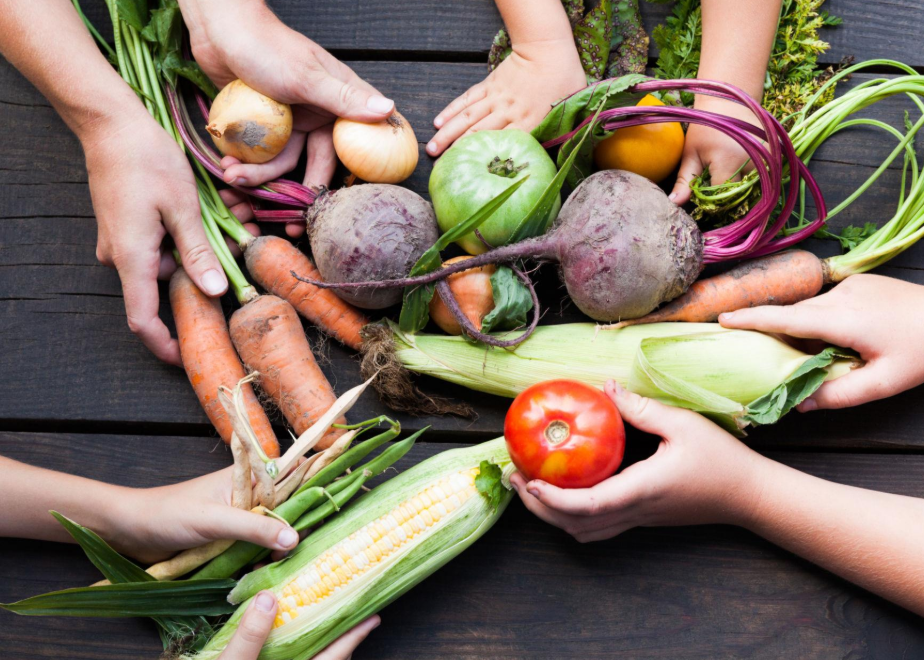
Excellent ingredients are the foundation of great cooking. When the ingredients are fresh and high-quality, even simple recipes shine with minimal seasoning.
18. Grate Your Own Cheese
Freshly grated cheese melts more smoothly and produces a creamier texture. Pre-shredded cheeses often contain anti-caking agents that interfere with melting, making them less suitable for dishes like pasta.
19. Freshly Ground Black Pepper Makes a Difference
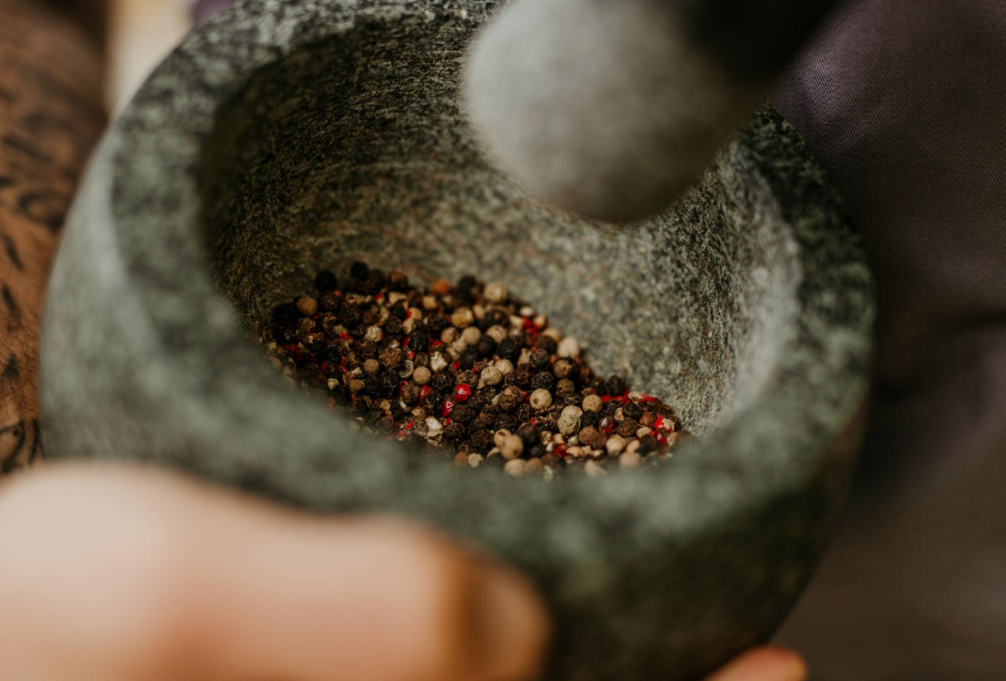
Grinding black pepper just before serving releases its essential oils, producing a much stronger aroma and deeper flavor than pre-ground pepper.
20. Clean as You Cook
A tidy workspace keeps you focused, organized, and efficient throughout the cooking process. It also makes cleanup much quicker once the meal is finished.

