

Behind the News
What the Next Round of Fighting With Iran May Look Like
US strikes could move beyond Hormuz targets to Iranian infrastructure, while diplomacy, ammunition concerns and Israel shape Washington’s choices
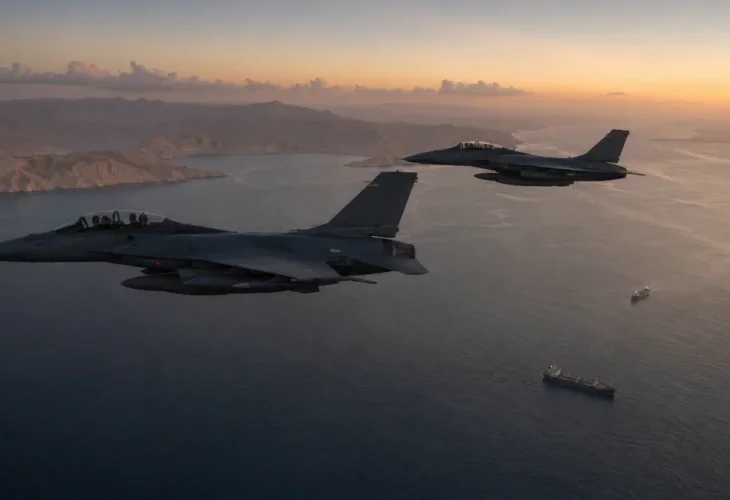
The United States and Iran have stopped attacking each other for now, but the pause may be less an ending than a reset. If the fighting resumes, the next American campaign is unlikely to simply repeat the nearly two weeks of strikes carried out around the Strait of Hormuz.
Axios reported yesterday that CENTCOM commander Adm. Brad Cooper recommended ending the campaign after most of its Hormuz targets had been struck. Continuing would have required either repeating attacks on a shrinking target list or expanding into a broader war.
That leaves Washington with several possible paths. Another round could begin as a limited response to an Iranian attack on shipping, expand into strikes on bridges and power plants, or grow into a wider American campaign against Iran’s missile and nuclear programs. Israel would become increasingly likely to participate as the target list expanded.
The clearest trigger is another Iranian attack in Hormuz. Last week Trump warned: “From this point forward, any time the Islamic Republic of Iran shoots at a ship in the Strait of Hormuz, whether it be by missile, rocket, drone, or any other device or weapon, the United States will bomb and destroy one bridge or power plant, including those located next to, or in, the capital city of Tehran.”
Israel would not necessarily join that kind of campaign. A direct American response to an attack on a commercial ship or US forces could remain under Washington’s control. The picture would change if Trump decided that limited attacks were no longer enough.
Lebanese newspaper Nidaa al-Watan, citing informed sources, reported today that Washington is considering what it called “attritional strikes.” Under that approach, attacks would continue over time and gradually move beyond military and nuclear sites to Iran’s supply lines, major roads, bridges, electricity networks, power plants and infrastructure serving the state and Islamic Revolutionary Guard Corps.
The goal would be to make fighting more expensive for Iran than accepting American conditions. Iran, however, appears to be making the opposite calculation. It believes it can survive long enough to exhaust US patience and convince the region that Washington has become trapped in a war it cannot finish.
Iranian Foreign Ministry spokesman Esmail Baghaei made that argument on Monday: “A war that was supposed to bring about Iran’s collapse within three days and force Iran to surrender has now, after five months, left them trapped in a quagmire of their own making,” he said. “That is not war management.”
The statement explains how Iran wants the pause to be understood. It is presenting its continued survival as a victory and the suspension of US strikes as evidence that its endurance strategy is working.
American ammunition supplies have also become part of that argument. In a statement to The Wall Street Journal on Sunday, Trump rejected reports that shortages influenced the pause, saying, “We have far more munitions than anyone in the world, and far more than we need.”
The concern was not whether the US had enough weapons to strike Iran again, but whether another prolonged exchange would consume too many Patriot, THAAD and naval interceptors needed to protect US troops, Israel and Gulf allies from Iranian missiles and drones.
Israel would become more likely to join if Washington expanded the campaign beyond Hormuz to Iran’s missile network, command centers or nuclear facilities. Prime Minister Benjamin Netanyahu is expected to discuss Iran with Trump on Tuesday, although neither side has disclosed what he will request.
For now, Oman is discussing arrangements with Iran concerning Hormuz, although Baghaei said Tehran is not directly negotiating with Washington. A deal reopening the strait could postpone another confrontation without resolving the wider war.
But if the talks fail or Iran attacks again, the next round may move beyond the coastal forces targeted during the latest campaign. It could remain a limited American response, become a longer effort to wear down the Iranian state, or expand into a joint US-Israeli attack on Iran’s most important military and nuclear capabilities.

