Raising Children
The Labeling Method: A Simple Way to Keep Kids' Rooms Organized
Struggling to keep your child's room organized? Discover the simple labeling method that helps children clean up independently while reducing clutter and daily frustration.
- Orit Gruskot
- | Updated
Walk into almost any child's bedroom, and you'll probably see the same scene: building blocks on the floor, dolls on the bed, books stacked in odd places, crayons without their box, costumes draped over a chair, and tiny toy pieces scattered everywhere.
And if you're like most parents, you've probably found yourself saying, "Didn't we just clean this room an hour ago?"
If you've tried every organizing tip and still can't seem to keep the kids' room tidy, the solution may be much simpler than you think. It's called the labeling method, and it helps children understand exactly where everything belongs—making cleanup easier for both kids and parents.
Give Every Toy a Permanent Home
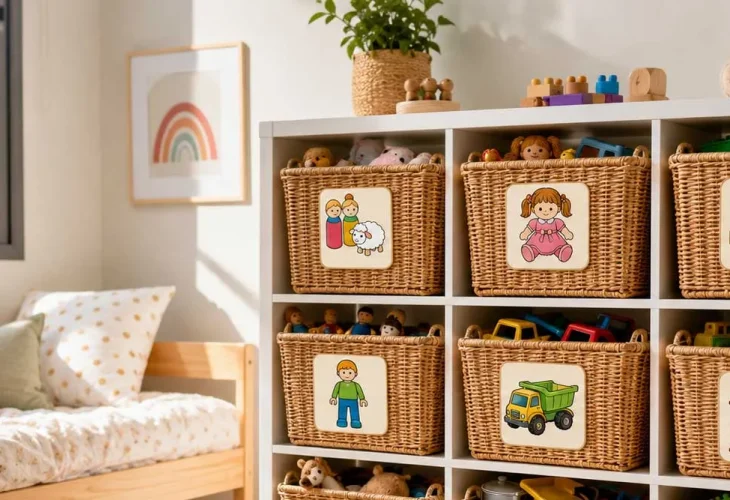
The idea behind the labeling method is simple: every category of toy has its own designated place, and every storage bin, basket, or drawer is clearly labeled.
Instead of constantly reminding your children to "clean your room," you're giving them a system they can understand and follow independently.
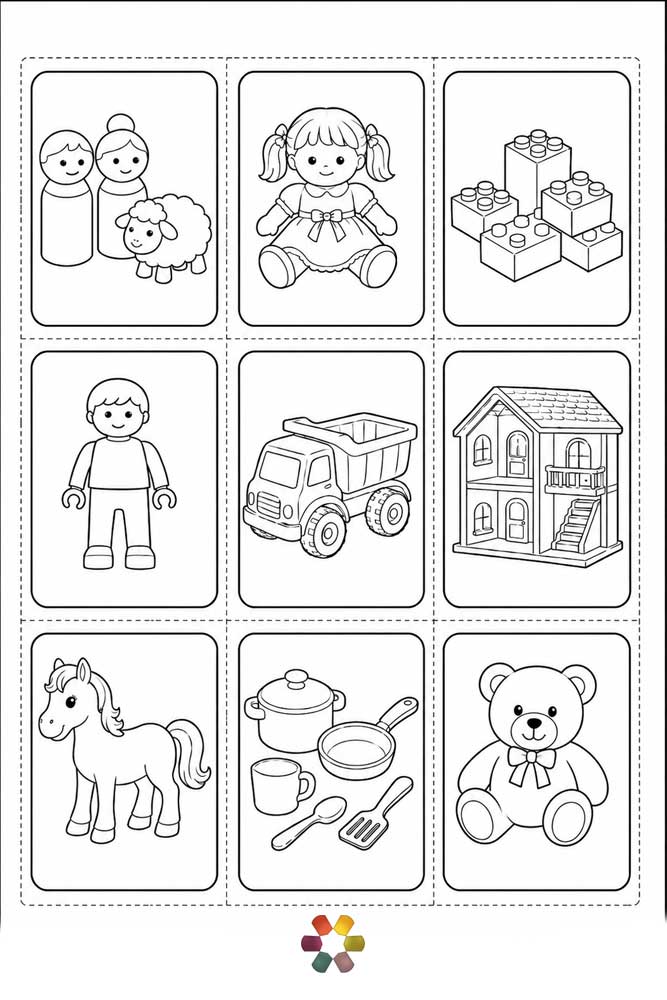
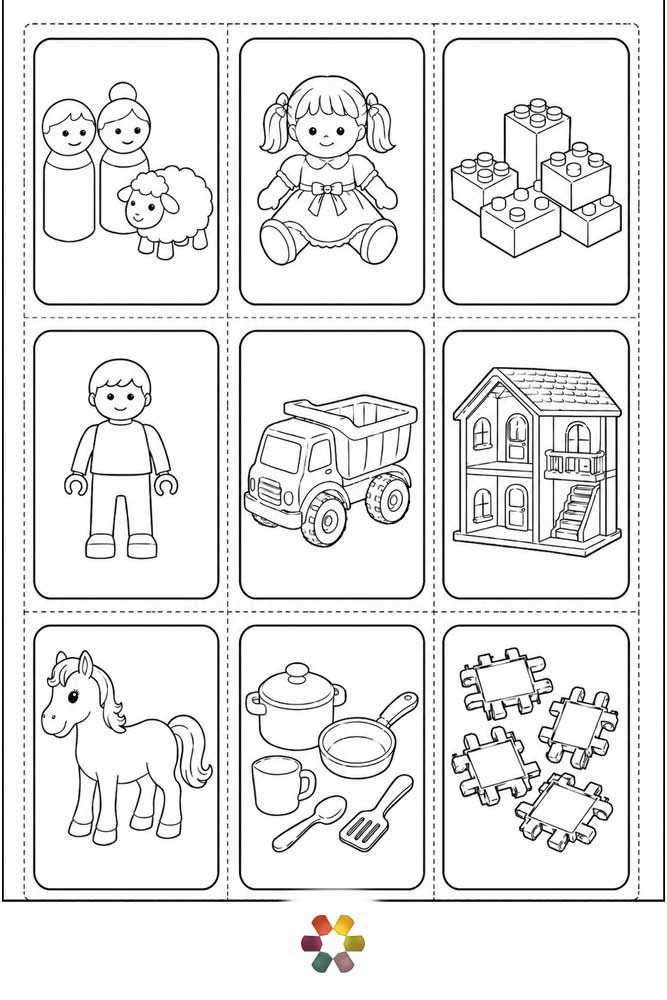
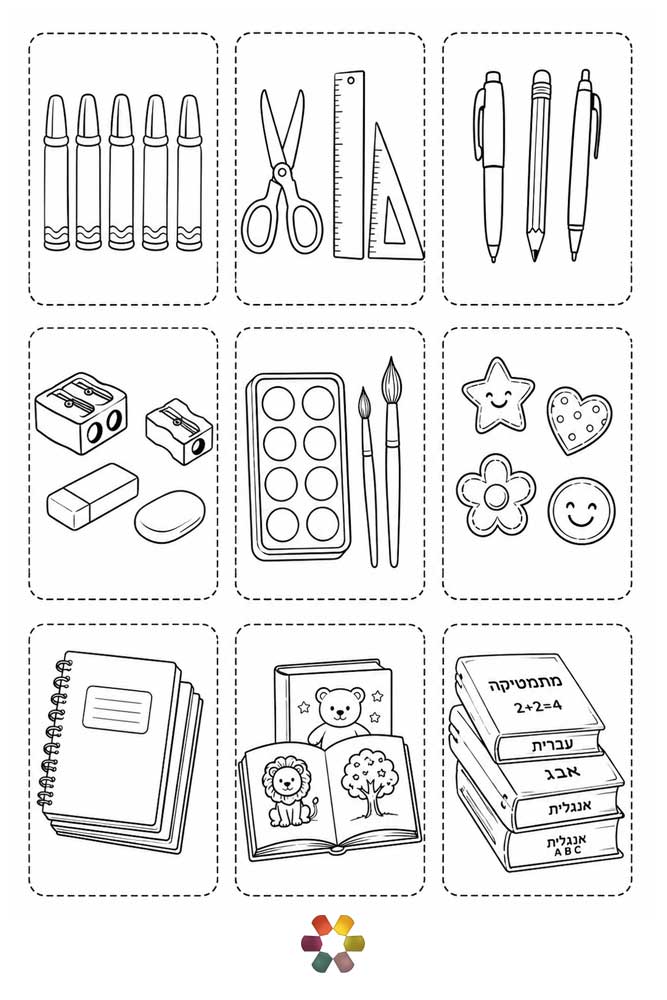
Attach a label to each container showing what's inside—cars, blocks, dolls, stuffed animals, LEGO®, art supplies, dress-up clothes, or board games. For children who can't read yet, pictures work even better than words. Some parents even photograph the actual toys inside each box and use those pictures as labels.
Keep the labels at your child's eye level and make sure the containers are easy to reach. The simpler the system is, the more likely children are to use it.
Start by Decluttering
Before organizing anything, take everything out.
Sort the toys into simple categories such as books, puzzles, craft supplies, building toys, dolls, vehicles, costumes, and games.
As you sort, ask yourself an important question: Does every toy really need to stay?
Broken toys, items with missing pieces, unsafe toys, or things your children haven't touched in months are usually good candidates to remove. Toys that are still in good condition can be donated to another family, a preschool, a charity, or a local community group.
Surprisingly, research has found that children often play more creatively when they have fewer toys available. A room filled with too many choices can become overwhelming, while a simpler environment makes it easier for children to focus and enjoy what they have.
Labels Build Independence
Once you've organized everything into categories, it's time to label each storage space.
A small label can eliminate countless daily questions:
"Where do the markers go?"
"Which box are the cars in?"
"Where does the modeling clay belong?"
For younger children, picture labels are usually the most effective. Older children can use both pictures and words, which also helps strengthen early reading skills.
Keep the labels simple and consistent. Use clear names like "Books," "Blocks," "Cars," "Craft Supplies," "Costumes," or "Board Games." The goal isn't creativity—it's clarity.
Better yet, invite your children to help make the labels. They can decorate them, color them, or even draw the pictures themselves. When children help create the organization system, they usually feel a greater sense of ownership and are more motivated to keep it organized.
Make Storage Part of the Room's Design
Organization doesn't have to come at the expense of style.
Matching baskets, fabric bins, wooden crates, and open shelving can make storage both attractive and practical. If every container looks similar, the labels become the visual guide that tells children exactly where each toy belongs.
Whether you print professional labels, write them by hand, or let your children design their own, the system works best when it is simple, easy to recognize, and consistent.
Turn Cleanup Into a Daily Habit
Even the best organization system needs a routine.
Rather than waiting until bedtime, build short cleanup sessions into the day—before dinner, before bath time, or before starting a new activity.
It's also helpful to give children one clear instruction at a time. Instead of saying, "Clean your room," try, "Let's put all the cars back first," or "Can you return the markers to their box?" Smaller tasks feel more manageable and help children experience success.
The labeling method is supported by research as well. A 2023 study conducted in Scotland followed 29 families with children from birth to age 12 who participated in a home-based visual support program. One of the tools used was visual labeling to show where household items belonged. After several home visits, parents reported feeling more confident using the system and noticed improvements in their daily routines.
Of course, you don't need a research study to discover whether it works for your family. Sometimes a few simple labels are all it takes to transform cleanup from a daily battle into a habit children can manage on their own.
Below, you'll find free printable labels to help you get started. Simply download, print, and enjoy creating a more organized, and more peaceful, kids' room.