

Interesting
Your Phone Charger Feels Hot: Should You Be Worried?
A warm phone charger can be normal, but some warning signs shouldn’t be ignored. Here’s when to unplug and how to charge your phone safely.
- Yitzchak Eitan
- | Updated
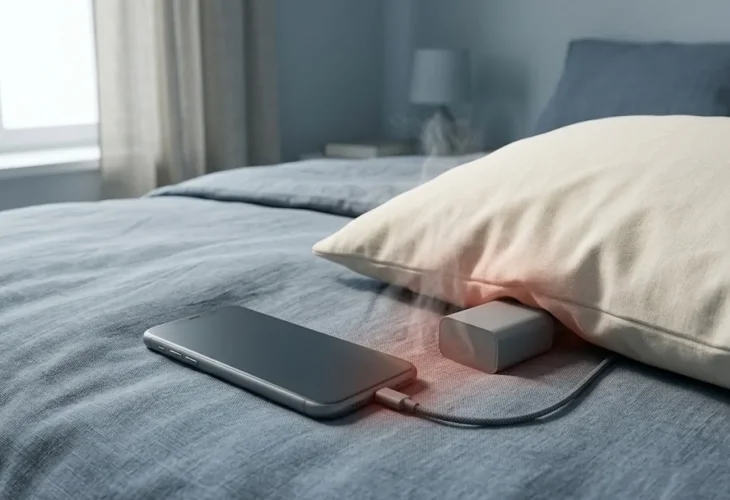
Many of us unplug our phones after charging and notice that the small power adapter feels surprisingly hot. The immediate concern may be an electrical fault or even a fire risk, but some warmth during charging is usually normal. A charger converts electricity from the household power supply into the regulated power a phone can use, and some energy is naturally released as heat during that process.
So when is a warm charger simply doing its job, and when could it signal a problem?
Why Phone Chargers Get Hot
The popular science and technology channel History of Simple Things addressed the issue in a video about phone charging, warning: “Electricity is supposed to charge a battery, not turn a little plastic box into a pocket-sized oven.”
A charger’s job is to convert electricity from the home power grid into a form suitable for the device. No electrical system is perfectly efficient, so some of that energy inevitably becomes heat and is released into the surrounding air.
Part of that heating comes from electrical resistance and energy losses within the tightly packed electronic components inside the charger. As the video puts it, the charger is doing its job while physics quietly “collects its fee.”
The greater concern begins when that heat cannot escape. Covering an active charger with blankets or pillows, or leaving it on soft bedding, can prevent heat from dissipating properly. The temperature may then rise considerably, increasing the risk of overheating and, in serious cases, fire.
For that reason, chargers should be kept uncovered and in a well-ventilated area while in use rather than buried in bedding or other materials that can trap heat.
When a Hot Charger May Be Dangerous
Warmth alone does not necessarily mean something is wrong. However, certain warning signs may indicate that a charger, cable, or connection should no longer be used.
Cracks in the plastic casing, exposed or damaged wires, unusual buzzing or crackling sounds, discoloration, a burning smell, or excessive heat are all reasons to unplug the charger and stop using it.
It is also important to use reputable chargers that meet appropriate safety standards and are compatible with the device. Damaged, poorly made, or unsuitable chargers can pose a greater safety risk.
And while charging overnight is common, the more important safety issue is where and how the device is being charged. Avoid charging a phone in bed, underneath a pillow or blanket, or anywhere else that could trap heat around the phone or charger.
As the video concludes, sometimes a warm charger is simply doing its job, and sometimes it is giving you a warning that something is wrong. The key is knowing the difference—and paying attention to the signs.

