

Home Styling
Mold Growing on Your Houseplant Soil? Here’s What to Do
White mold on houseplant soil is surprisingly common. Find out what causes it, whether it can harm your plant, and the simple watering trick that can help prevent it.
- שירה דאבוש
- | Updated
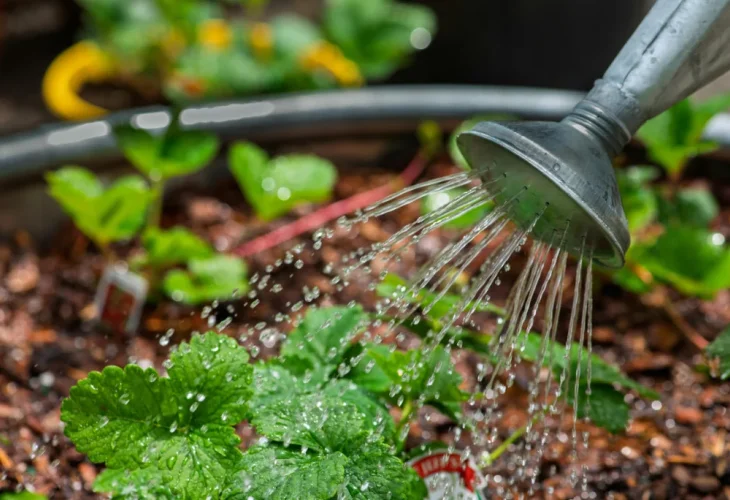
Mold on houseplant soil is a common problem, especially with plants kept indoors. It usually appears when high humidity, excess moisture, and poor air circulation combine. When potting soil stays damp for too long between waterings, it creates ideal conditions for fungi to grow.
Fortunately, a little mold on the soil does not necessarily mean your plant is doomed. In many cases, changing a few simple care habits can solve the problem and help prevent it from returning.
Are You Watering Too Often?
One common mistake is watering plants according to a fixed schedule, such as “every two days” or “once a week,” without first checking whether the plant actually needs water.
“The need for water changes depending on the type of plant, the season, the temperature, the size of the pot, the amount of light, and even the type of soil. In winter, for example, many houseplants use less water than they do in summer,” explains Dylan, an American plant expert.
According to him, it is better to check the soil before each watering. “Insert a finger a few centimeters into the soil. If it is still moist, there is usually no need to water again.”
The pot itself can also contribute to the problem. If there is no drainage hole at the bottom, excess water may remain around the roots for too long, leaving the soil heavy and waterlogged. In these cases, consider using a pot with adequate drainage and a more aerated potting mix suited to the particular plant.
Is Mold Dangerous for the Plant?
Not always.
A thin layer of white mold on the surface of the soil is not necessarily harmful to the plant, but it can indicate conditions that may eventually lead to more serious problems, particularly root rot.
Pay attention to the plant itself. If it begins to wilt even though the soil is wet, its leaves turn yellow, or the soil develops an unpleasant smell, there may already be a problem with the roots.
What Can You Do About Moldy Soil?
“You can gently remove the top layer of soil and replace it with fresh, dry soil,” Dylan explains. “Afterward, it is a good idea to cut back on watering, make sure there is proper drainage, and move the pot to a more ventilated, brighter location, according to the plant’s needs.”
Do not rush to water again simply because the surface looks dry. The soil underneath may still contain plenty of moisture, so check a little deeper before reaching for the watering can.
The Simple Trick That Can Prevent It
Dylan offers another simple way to help prevent overwatering: Lift the pot.
“Before you pick up the watering can, lift the pot slightly. Over time, you can learn to recognize the difference between a wet, heavy pot and a dry, lighter one.”
Combining this weight test with checking the soil with your finger can give you a much better idea of whether the plant actually needs water than following an automatic watering schedule.
Ultimately, many houseplants cope better with slightly less frequent watering than with soil that remains constantly wet. A few seconds spent checking the soil before watering could be all it takes to keep both mold and more serious moisture problems at bay.

