

Health and Nutrition
Too Busy to Cook From Scratch? Try These 7 Healthy Shortcuts
No time to soak beans or chop fresh vegetables every night? Frozen and canned foods can still be part of a balanced diet. Here’s how to choose wisely.
- הידברות
- | Updated
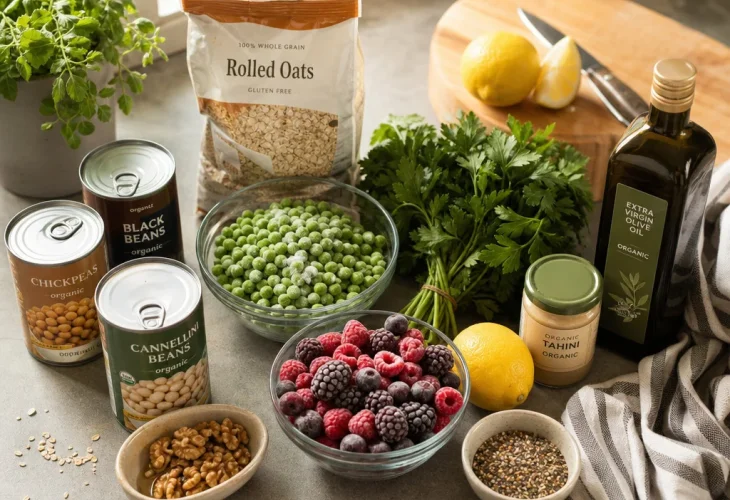
Social media can sometimes make healthy eating look like a full-time job. Homemade bread, freshly cooked beans, sauces made from scratch, vegetables chopped for every meal. It can leave the rest of us wondering whether reaching for a bag of frozen broccoli or a can of chickpeas somehow means we are doing it wrong.
It doesn’t.
For most people, canned, frozen, and packaged foods are simply part of real life. They save time, reduce waste, and can make it much easier to put together a balanced meal on a busy day.
Fresh foods are important, but they are not the only nutritious option. The key is knowing what to look for.
Here are seven simple ways to make smarter choices in the supermarket.
1. Make the Most of Your Freezer
Frozen fruits and vegetables such as peas, green beans, broccoli, spinach, and berries can be excellent choices.
Produce intended for freezing is generally frozen soon after harvesting, which helps preserve many of its nutrients. Depending on the food, frozen produce can provide similar levels of vitamins and minerals to fresh produce, particularly if the “fresh” version has spent several days being transported or stored.
Keeping a few bags of vegetables and fruit in the freezer also means you always have something nutritious available, while reducing the chance that unused produce will end up in the trash.
2. Read the Ingredient List
Packaged food does not automatically mean unhealthy food.
Instead of judging a product simply by the number of ingredients it contains, look at what those ingredients actually are. A longer list may include perfectly ordinary foods, herbs, spices, or added vitamins, while a product with only a few ingredients can still contain large amounts of sugar, sodium, or saturated fat.
Use both the ingredient list and nutrition label to understand what you are buying.
3. Check the Sodium and Added Sugar
Some canned and packaged foods can contain significant amounts of sodium or added sugar, so it is worth comparing labels between similar products.
For canned beans and vegetables, look for “no salt added” or lower-sodium options when available. If you use regular canned beans, draining and rinsing them under water can reduce some of the sodium.
For sauces, cereals, snacks, and other packaged foods, check the nutrition label for added sugar and sodium rather than relying only on claims on the front of the package.
4. Keep Canned Legumes in the Pantry
Beans, chickpeas, lentils, and peas are an easy way to add plant-based protein and fiber to a meal without soaking or cooking legumes for hours.
Keep a few cans in the pantry for days when you need something quick. Add chickpeas to a salad, beans to a soup or stew, or blend legumes into dips and patties.
Choosing canned legumes does not mean sacrificing their nutritional benefits for convenience. They can be an extremely practical part of a balanced diet.
5. Build Meals Around Simple Pantry Staples
A well-stocked pantry can make healthy meals much easier.
Whole grains and other useful staples such as brown rice, quinoa, buckwheat, oats, whole-grain pasta, and similar foods keep well and can form the base of countless meals.
Pair them with vegetables, legumes, tofu, eggs, fish, or another protein source, depending on your diet, and you can have a balanced meal without needing to make everything from scratch.
6. Pay Attention to Portion Size
Some packaged foods look like a single serving even though the nutrition information may be based on a smaller portion.
Check the serving size on the label so you know what the numbers actually represent.
If you tend to keep eating when snacking directly from a large package, try putting the amount you want into a bowl and putting the rest away. It is a simple way to be more aware of how much you are eating without turning every snack into a calculation.
7. Combine Convenience Foods With Fresh Ingredients
You do not have to choose between convenience and fresh food. Often, the easiest approach is to combine them.
Add fresh herbs and lemon juice to canned chickpeas. Toss frozen vegetables with olive oil and seasonings. Add fresh fruit and nuts to oatmeal, or turn a simple grain and canned bean combination into a more satisfying meal with chopped vegetables and a flavorful dressing.
A frozen or canned ingredient can be the beginning of a meal rather than the entire meal.
Healthy eating does not require spending hours in the kitchen or preparing every ingredient from scratch. Sometimes the healthiest approach is simply the one that makes nutritious food realistic enough to eat regularly.
A freezer full of vegetables and a pantry stocked with beans may not look impressive on social media, but on a busy Tuesday evening, they can be exactly what you need.

