

Health and Nutrition
Before Winter Arrives: What Every Parent Should Know About Baby and Toddler Health
From runny noses and nighttime coughs to dehydration and breathing difficulties, here’s what parents should know to handle common winter illnesses with more confidence and recognize the signs that need medical attention
- Shira Dabush
- | Updated
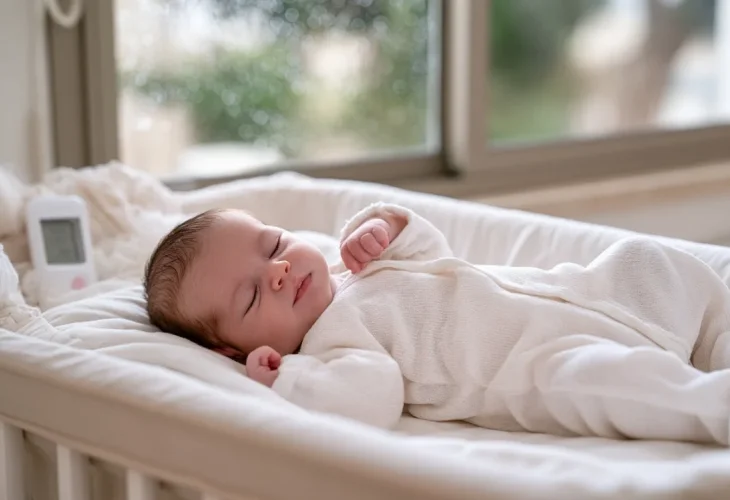
Winter is just around the corner, and parents of babies and toddlers already know what tends to come with it: a runny nose that never seems to end, coughing in the middle of the night, a child coming home from daycare with another virus, and long nights spent wondering whether a fever is “just viral” or whether it is time to see a doctor.
Winter itself is not dangerous simply because the weather is cold. The main issue is that respiratory viruses such as influenza and RSV are more common during this season, children spend more time indoors, and infections can spread especially quickly in daycare centers and preschools.
For most young children, winter illnesses pass without complications. But in very young babies, premature infants, and children with certain underlying medical conditions, an infection that begins like a simple cold can sometimes develop into a more serious illness.
One common mistake parents make at the beginning of winter is assuming that every cough or runny nose requires special treatment. In reality, young children can experience many viral infections over the course of a year, especially during their first year in a childcare setting.
With an ordinary cold, children may have a runny or blocked nose, cough, fever, and sometimes a mild decrease in appetite. In very young babies, even simple nasal congestion can interfere with feeding and sleep because they are not yet able to cope with a blocked nose as easily as an older child can.
For that reason, two simple and useful items to keep at home are saline nasal drops or spray and a gentle nasal aspirator, especially for babies. It is also important to offer fluids or breastfeeding more frequently and to make sure the child continues to urinate normally.
One of the questions that worries parents most during the winter is when a fever requires medical attention. It is important to look not only at the number on the thermometer, but also at the child’s age and overall condition.
A very young baby with a fever requires more urgent attention than a two-year-old who continues to drink, play, and interact despite having a temperature. With very young infants in particular, parents should not rely on home treatment alone without medical advice.
Even in older children, some warning signs matter more than the actual height of the fever. A child who appears unusually lethargic, is difficult to wake, refuses to drink, vomits repeatedly, or has difficulty breathing should be examined by a medical professional.
The Sign You Should Not Wait On: Difficulty Breathing
During winter, the way a child is breathing is one of the most important things parents should learn to observe.
Very rapid breathing, pulling in of the skin between the ribs or beneath the chest while breathing in, flaring nostrils, grunting with breathing, or a change in the color of the lips are all signs that require prompt medical evaluation.
A baby with bronchiolitis may also develop wheezing, crackling or rattling sounds, and difficulty feeding because breathing itself requires so much effort.
Not Eating? Sometimes Drinking Matters More
Sick children often eat less than usual, and that alone is not always a cause for concern. During an acute illness, preventing dehydration is usually more important.
With babies and toddlers, parents should pay attention to the number of wet diapers, how much the child is drinking, whether the mouth appears dry, whether there are tears when the child cries, and the child’s overall level of alertness.
Vomiting and diarrhea, which are also common in childhood, can lead to fluid loss relatively quickly because children’s bodies are small.
What Should You Keep at Home?
There is no need to turn your home into a pharmacy, but it is helpful to prepare in advance with a reliable thermometer, saline nasal drops or spray, a gentle nasal aspirator for babies, age- and weight-appropriate fever medication as recommended by a doctor or pharmacist, and an oral rehydration solution in case it is needed.
Make sure you know the correct medication dosage for your child’s current weight. Pediatric medication doses are not something to guess, particularly if some time has passed since your child was last ill and their weight has changed.
Personally, I also like to prepare for winter with essential oils that create a feeling of easier breathing, such as eucalyptus oil, which I place in an electric oil diffuser. I also keep eucalyptus-infused nasal tissues and an ointment designed for the nose on hand.
Overheating: Something to Watch Out For
The natural instinct in winter is to bundle a baby in layers and keep the room very warm, but hotter is not necessarily better.
Babies need a comfortable environment that is not excessively warm, along with clothing appropriate for the temperature of the room. Very dry air can also make a blocked nose and cough feel more uncomfortable.
When Is It Time to Stop Waiting and Seek Medical Care?
One of the most important principles is that parents know their own child. A significant change in behavior, breathing, drinking, or alertness deserves attention, even when there is no single dramatic symptom.
With very young babies, the threshold for contacting a doctor should be especially low. Difficulty breathing, bluish or grayish skin or lips, unusual drowsiness, lack of responsiveness, signs of dehydration, inability to drink, or a significant decrease in urination are all signs that should not be “left until morning.”
Alongside all these warnings, it is important to remember that most childhood winter illnesses are viral. Winter with babies and toddlers may not come with the promise of clear noses and eight uninterrupted hours of sleep, but with a little more knowledge, it can certainly come with much less panic.

