

Health and Nutrition
Is Fruit Sugar Bad for You? 10 Common Myths Explained
From fruit sugar and vitamin C to apple peels and watermelon, some of the things we’ve been told about fruit aren’t quite true. Here are 10 myths worth clearing up.
- הידברות
- | Updated
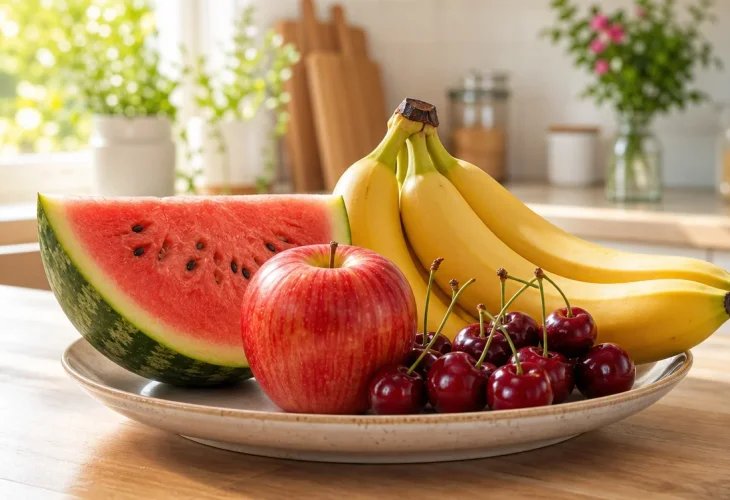
Fruit has a pretty impressive reputation. It is colorful, naturally sweet, refreshing, and packed with nutrients. But somewhere along the way, fruit also became surrounded by a surprising number of myths.
Should you peel an apple? Is watermelon packed with sugar? Can people with diabetes eat fruit? And are oranges really the best source of vitamin C?
Here are 10 common claims about fruit and what the evidence actually says.
1. You Should Peel an Apple Before Eating It
The myth: You should remove an apple’s skin before eating it.
The truth: Unless you have a specific reason to avoid the peel, there is generally no need to remove it. Apple skin contains fiber and a variety of plant compounds, so eating the whole apple allows you to get more of what the fruit has to offer.
That does not mean a peeled apple suddenly becomes unhealthy. It still provides valuable nutrients. If you prefer eating the peel, wash the apple thoroughly under running water before eating it.
2. You Have to Drink Orange Juice Immediately After Squeezing It
The myth: Fresh orange juice loses all its nutritional value if you do not drink it immediately.
The truth: Not quite. Vitamin C can gradually break down when exposed to factors such as oxygen, light, heat, and prolonged storage, but your juice does not suddenly become nutritionally worthless after a few minutes.
Drinking freshly squeezed juice relatively soon after making it can help preserve more vitamin C. If you are saving it for later, store it covered in the refrigerator.
It is also worth remembering that whole oranges provide something juice contains much less of: dietary fiber.
3. You Can Eat Unlimited Fruit Because It’s Healthy
The myth: Because fruit is healthy, there is no reason to think about how much you eat.
The truth: Fruit is an important part of a healthy diet and is generally a much more nutritious choice than candy, cakes, and many other highly processed sweets. But “healthy” does not necessarily mean unlimited.
Fruit still provides carbohydrates, natural sugars, and calories, and portion needs vary from person to person. Rather than fearing fruit or treating it as something you can eat endlessly, aim to include a variety of whole fruits as part of an overall balanced diet.
4. People With Diabetes Can’t Eat Fruit
The myth: If you have diabetes, fruit is off-limits because it contains sugar.
The truth: People with diabetes can generally include fruit in their diets. Whole fruit also provides fiber, vitamins, minerals, and beneficial plant compounds.
Portion size, the type of fruit, the rest of the meal, medications, and an individual’s blood sugar response can all matter. Pairing fruit with a source of protein or healthy fat, such as a small portion of nuts, may also make a snack more satisfying.
People managing diabetes should follow individualized guidance from their doctor or registered dietitian rather than eliminating fruit altogether.
5. The Sweeter a Fruit Tastes, the More Sugar It Contains
The myth: You can tell exactly how much sugar a fruit contains simply by tasting how sweet it is.
The truth: Taste is not a reliable sugar meter.
The perceived sweetness of fruit is influenced not only by its sugars but also by acidity, ripeness, aroma, temperature, and other compounds. A fruit can therefore taste sweeter than another without necessarily containing dramatically more sugar.
Think about adding lemon juice to sweetened tea. The amount of sugar has not changed, but the acidity changes how sweet the drink tastes.
6. Watermelon Is Basically a Sugar Bomb
The myth: Watermelon contains so much sugar that it should be avoided.
The truth: Despite its sweet taste, watermelon is mostly water. Around 91% of its weight is water, while its sugar content is roughly 6 grams per 100 grams.
That makes watermelon relatively low in calories by weight and a refreshing way to add both fluids and nutrients to your diet.
As with other fruits, portion size can still matter, particularly for people who need to monitor their carbohydrate intake. But watermelon certainly does not need to be treated like candy simply because it tastes sweet.
7. Pomegranate Is an Excellent Source of Iron
The myth: Eating pomegranate is a particularly effective way to increase your iron intake.
The truth: Pomegranates are nutritious and contain beneficial plant compounds, but they are not especially rich in iron.
If iron intake is your goal, there are much stronger food sources available. Depending on your diet, these may include legumes, tofu, fortified foods, seeds, meat, seafood, and other iron-rich foods.
Pomegranate can absolutely be part of a healthy diet. It just should not be relied upon as a major source of iron.
8. Oranges Have More Vitamin C Than Any Other Fruit
The myth: Nothing beats an orange when it comes to vitamin C.
The truth: Oranges are an excellent source of vitamin C, but they do not hold the top spot.
Kiwi, guava, and several other fruits can provide more vitamin C per 100 grams than oranges. Guava is particularly rich in the vitamin.
That does not make oranges any less nutritious. It simply means they are one of many ways to get vitamin C rather than the undisputed champion.
9. Plums Help With Constipation
The myth: Plums can help get your digestive system moving.
The truth: There is good reason behind this reputation, particularly when it comes to prunes, which are dried plums.
Prunes contain fiber as well as sorbitol, a naturally occurring sugar alcohol that can draw water into the intestine and contribute to a laxative effect. Research has supported the use of prunes for improving stool frequency and consistency in people with constipation.
Fresh plums also contain fiber and sorbitol, but prunes are more concentrated and have been studied more extensively for this purpose.
10. Fruit Sugar Is Always Healthy Because It’s Natural
The myth: Sugar from fruit is healthy in any form, so anything labeled “fruit sugar” or “fructose” must be a better choice.
The truth: There is an important difference between eating fructose as part of whole fruit and consuming large amounts of added sugars.
Whole fruit comes packaged with water, fiber, vitamins, minerals, and plant compounds. Its fiber and physical structure also affect how quickly it is eaten and digested.
Added fructose or other added sugars in sweetened drinks and highly processed foods do not come with those same benefits. Diets high in added sugars, particularly sugar-sweetened beverages, are associated with a range of health problems.
So there is little reason to fear the natural sugar in a piece of fruit simply because it contains fructose. At the same time, seeing words such as “fructose” or “fruit sugar” on a processed product does not automatically make that product healthy.
The simplest takeaway? Fruit does not need to be feared, worshipped, or surrounded by complicated rules. Whole fruit can be a nutritious part of a balanced diet, and variety is usually more important than trying to identify one “perfect” fruit.
So wash the apple, enjoy the watermelon, and keep the orange. Just don’t expect the pomegranate to solve an iron deficiency on its own.

