

Depression and Anxiety
Feeling Down? Rambam's Ancient Wisdom for Lifting Your Spirits
Centuries ago, Rambam shared simple advice for difficult days. Learn how music, nature, and beauty can help lift your mood and renew your strength.
- נעמה גרין
- | Updated
It's been a long day. Things at work haven't gone as planned, the messages keep coming, and even your third cup of coffee hasn't managed to restore your energy. You pick up your phone and scroll a little more, hoping something will lift your mood.
But what if there's a better way to recharge?
In the writings of Rambam (Maimonides), one of Judaism's greatest legal authorities, who was also a physician and philosopher, we find some surprisingly practical advice for moments like these.
In Shemonah Perakim, his introduction to his commentary on Pirkei Avot, Rambam writes:
"Likewise, one who is overcome by melancholy should remove it by listening to melodies and different kinds of song, by strolling through gardens, by viewing beautiful buildings and beautiful forms, and similar things that broaden the soul and remove the illness of melancholy from him." (Chapter 5)
The term "melancholy" comes from ancient medicine and was associated with sadness and heaviness of spirit. Rambam suggests that certain enjoyable experiences can help ease these feelings, refresh the mind, and restore a sense of vitality.
And the best part? His suggestions are surprisingly simple to incorporate into everyday life.
1. Listen to Music That Lifts Your Spirits
No, your WhatsApp notification tone doesn't count.
Rambam begins his list with "listening to melodies and different kinds of song," recognizing the uplifting effect music can have on our emotional state.
This idea also appears in the Tanach. When an evil spirit troubled King Saul, David played the harp before him, "and Saul was relieved and felt well" (Shmuel I 16:23).
Sometimes, listening to a favorite song or a soothing melody is enough to help us pause, take a breath, and shift our mood. Rather than reaching for your phone to scroll through endless updates, try putting on music that brings you comfort or joy.
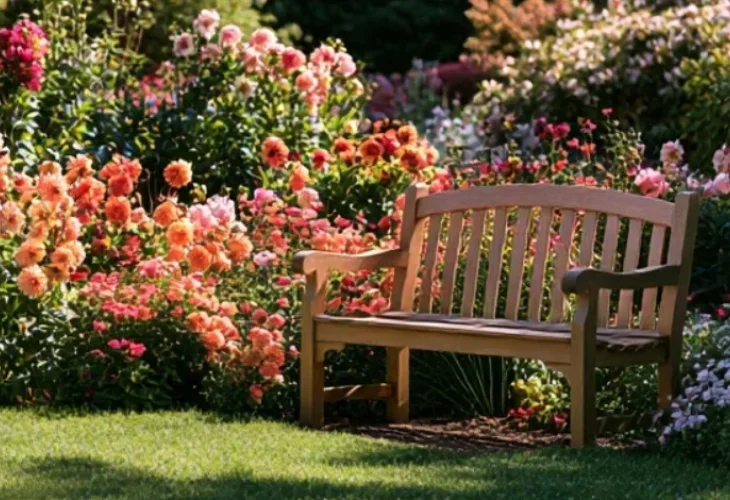
2. Take a Walk Through a Garden
Ten minutes in the park, without checking your emails. Yes, it's possible!
A "stroll through gardens" appears explicitly among Rambam's recommendations, and it's something most of us can enjoy without much planning.
A short walk outdoors offers an opportunity to step away from the constant demands of daily life and pay attention to the world around us. The trees, flowers, fresh air, and changing scenery can provide a welcome break from a busy routine.
You don't need to organize a long hike or travel somewhere special. Even a few peaceful minutes in a nearby park or garden can offer a refreshing change of pace.
3. Surround Yourself With Beauty
You don't need to travel abroad or visit an art museum to appreciate beautiful things. Sometimes, beauty is right in front of us.
It might be an old alleyway in Jerusalem, a colorful sunset, the sea, or flowers growing along the boulevard near your home.
Rambam specifically mentions "beautiful buildings" and "beautiful forms" as things that can help lift a person's spirits. His words encourage us to notice and appreciate the beauty we encounter in everyday life.
And beauty isn't limited to the outdoors. We can bring it into our homes and daily surroundings, too.
You don't need an expensive renovation or new furniture to create a pleasant environment. Sometimes, simply clearing a cluttered corner, arranging a few objects nicely, or opening the curtains to let in natural light can make a room feel more inviting.
Even taking a little care with our appearance can contribute to a sense of freshness and well-being.
The message is simple: beauty doesn't have to be a luxury. It can be a meaningful part of caring for ourselves.
But Isn't This Just Leisure?
Here's where Rambam's teaching becomes even more interesting.
After describing these enjoyable activities, he explains their deeper purpose:
"And the intention in all this is that his body should be healthy. And the ultimate purpose of bodily health is to acquire wisdom."
In other words, enjoyment is not necessarily the ultimate goal. These activities can help support our well-being, allowing us to return to our responsibilities with greater clarity, energy, and focus.
And according to Rambam, maintaining our health serves an even higher purpose: giving us the strength and ability to grow in wisdom and serve Hashem.
This idea appears elsewhere in his writings. In Hilchot De'ot (3:3), Rambam explains that even something as ordinary as sleeping can become part of serving Hashem when a person rests with the intention of restoring their strength for a meaningful purpose.
As he writes: "Thus, his sleep is service to the Blessed One."
It's a powerful reminder that looking after ourselves doesn't have to be separate from our spiritual lives. Rest, recreation, and moments of enjoyment can help us fulfill our responsibilities and continue growing.
Sometimes, Taking a Break Is Exactly What You Need
The next time you're feeling drained, overwhelmed, or simply in need of a little encouragement, consider Rambam's advice before automatically reaching for your phone.
Put on a favorite song, take a short walk through the park, or spend a few moments appreciating something beautiful around you.
These simple activities aren't a substitute for professional help when sadness is persistent or severe, but they can offer welcome moments of relief during an ordinary difficult day.
And perhaps that's the deeper lesson in Rambam's words: taking time to restore our energy isn't necessarily a distraction from what matters. Sometimes, it's what allows us to return to our lives with renewed strength, clarity, and the ability to do good.

