

Health and Nutrition
7 Ways to Cut Back on Sugar Without Giving Up the Foods You Love
Want to eat less sugar without giving up dessert? Try these 7 practical tips for healthier habits, smarter food choices, and fewer cravings.
- שירה פריאנט
- | Updated
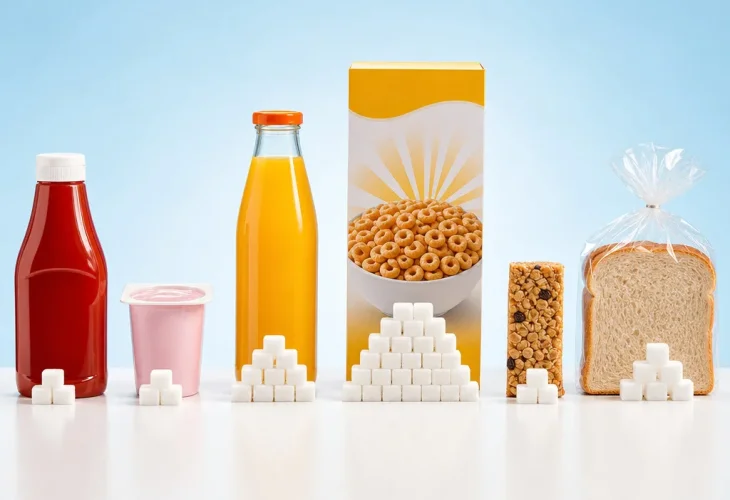
Most of us don't plan to eat too much sugar. It simply finds its way into our daily routine: a spoonful in our morning coffee, a little in pasta sauce, a bowl of supposedly healthy breakfast cereal, or a serving of fruit-flavored yogurt.
The surprising part is just how much sugar can accumulate without us realizing it. The good news? Cutting back doesn't have to mean giving up dessert, avoiding every sweet treat, or completely changing the way you eat. A few simple adjustments can make a meaningful difference.
Where Is Sugar Hiding?
When we think of sugar, cakes, cookies, and chocolate usually come to mind. But sugar is also found in many everyday foods we wouldn't necessarily consider sweet, including ketchup, some soy sauces, protein bars, granola, sliced bread, and fruit juices.
A single bottle of a sweetened drink can contain around eight teaspoons of sugar, depending on its size and ingredients. That's already more than the World Health Organization's preferred daily limit for many adults.
The WHO recommends keeping free sugars below 10% of our total daily calorie intake, with additional health benefits possible when we reduce that amount to less than 5%. Free sugars include those added to foods and drinks, as well as sugars naturally present in honey, syrups, fruit juices, and juice concentrates.
For someone consuming around 2,000 calories a day, the 5% target works out to approximately 25 grams, or six teaspoons, of free sugar.
Importantly, this recommendation doesn't apply to the naturally occurring sugars in whole fruits, vegetables, or plain milk.
Why Is It So Hard to Stop After One Bite?
We're naturally drawn to sweet flavors, and eating something sweet activates the brain's reward system, creating feelings of pleasure.
Over time, our eating habits can also influence what tastes satisfying. When we're accustomed to very sweet foods and drinks, less sweet alternatives may initially seem bland.
That's one reason dramatic resolutions like "I'm giving up sugar completely tomorrow" can be difficult to maintain. Strict restrictions may leave some people feeling deprived, making it harder to stick with their goals.
A more realistic approach is to make small, consistent changes that allow your preferences and habits to adjust gradually.
Here are seven practical ways to get started.
1. Start Reading Food Labels
Before putting a product in your shopping cart, take a few seconds to check its nutrition label.
Look at the amount of sugar per serving and compare it with similar products. Remember that four grams of sugar is approximately one teaspoon.
On US nutrition labels, pay particular attention to the "Added Sugars" line. This helps distinguish sugar added during processing from naturally occurring sugars, such as those found in plain dairy products or whole fruit.
It's also worth checking the ingredient list. Added sugar can appear under several names, including corn syrup, agave syrup, molasses, glucose, fructose, maltose, and sucrose.
Ingredients are listed in descending order by weight, so if a form of added sugar appears near the beginning, it's likely a significant ingredient.
You don't need to memorize every name. Simply becoming more aware of what's in your regular purchases is an excellent first step.
2. Give Your Taste Buds Time to Adjust
If you usually add two teaspoons of sugar to your coffee, try reducing it to one and a half for a week or two. Then move down to one teaspoon, followed by half a teaspoon.
There's no need to rush. After a few weeks, you may find that your usual coffee tastes sweeter than you remember.
The same approach can work with homemade cakes and cookies. Many recipes can tolerate a reduction of around one-quarter to one-third of the sugar, although the results will depend on the recipe, since sugar also affects texture, moisture, and browning.
The goal isn't to eliminate sweetness entirely. It's to gradually become comfortable with a little less.
3. Rethink What You're Drinking
Sweetened drinks are one of the easiest places to start cutting back. They can deliver a substantial amount of sugar without providing the same feeling of fullness as solid food.
Instead of reaching for soda or another sugary drink, try water infused with lemon slices, fresh mint, cucumber, or berries. Unsweetened iced herbal tea is another refreshing option, as is sparkling water with a small splash of fruit juice.
You can even make the experience feel special. Pour your drink into a nice glass, add some ice and a slice of citrus, and enjoy it as you would any other treat.
Sometimes, changing the experience makes changing the habit much easier.
4. Add Flavor Without Adding More Sugar
Sweetness isn't the only way to make food taste delicious. Spices, natural flavorings, and fruit can add depth and richness without relying on large amounts of added sugar.
Try these simple combinations:
Cinnamon: Sprinkle it into coffee, oatmeal, or baked apples.
Vanilla: Add a little natural vanilla extract to plain yogurt or homemade cereal.
Cardamom and ginger: Use them to bring warmth and flavor to tea, cakes, or other baked treats.
Fruit and nuts: Add chopped fresh fruit, small pieces of dried fruit, or nuts to breakfast bowls instead of relying on sweetened toppings or jam.
For example, plain yogurt topped with fresh fruit and a small drizzle of honey may contain considerably less added sugar than some commercially sweetened yogurts. Better still, you control how much honey goes in.
Remember that honey is still considered a free sugar, even though it's a natural product.
5. Build a Breakfast That Keeps You Satisfied
Ever find yourself craving something sweet just an hour or two after breakfast?
A meal made up mostly of refined carbohydrates may leave you feeling hungry again relatively quickly, particularly if it contains little protein or fiber.
Try building a more balanced breakfast that combines protein, fiber, and healthy fats.
For example, whole-grain bread with eggs, cheese, avocado, or tahini, alongside fresh vegetables, can help keep you satisfied for longer. Oatmeal topped with nuts and fruit is another simple option.
A filling breakfast won't necessarily eliminate every craving, but it can make it easier to avoid reaching for something sugary simply because you're hungry.
6. Don't Let Hunger or Exhaustion Make Your Food Choices
Have you ever found yourself searching the kitchen for chocolate or cookies late at night, even though you weren't particularly interested in sweets earlier?
Sometimes, tiredness plays a role.
Research suggests that insufficient sleep can increase appetite and make highly palatable, calorie-dense foods more appealing. If your strongest cravings regularly appear late in the evening, improving your sleep routine may help.
Hunger can have a similar effect. Skipping meals or going too long without eating may leave you feeling ravenous by the end of the day, making convenient sweet snacks especially tempting.
Eating regular, satisfying meals and getting enough rest can help you make more deliberate food choices rather than simply reacting to hunger or fatigue.
What About Sugar Substitutes?
Artificial and non-sugar sweeteners are often marketed as an easy way to enjoy sweet foods without the added sugar.
They can be useful in certain situations, particularly when replacing sugar in foods or drinks. However, they aren't necessarily the best long-term solution for everyone.
The World Health Organization advises against relying on non-sugar sweeteners for long-term weight control in the general population. Its guidance does not apply to people with pre-existing diabetes.
Rather than simply replacing every sugary product with an intensely sweet alternative, another approach is to gradually reduce your preference for sweetness overall.
Anyone managing diabetes or another medical condition should seek personalized guidance from a healthcare professional or registered dietitian.
7. Save Sweets for Moments That Really Matter
Cutting back on sugar doesn't mean giving up the foods that make special occasions memorable.
There's no need to automatically say goodbye to Shabbat cake, honey on Rosh Hashanah, or a sufganiyah on Chanukah.
The important distinction is between enjoying something sweet intentionally and eating it automatically throughout the day.
Instead of reaching for a cookie every time you pass through the kitchen, try saving sweet treats for moments when you can genuinely enjoy them.
Sit down, put away your phone, and take your time. Paying attention to the taste and experience may help you feel more satisfied with a smaller portion.
The aim isn't to make sweets forbidden. It's to make them a conscious choice rather than an unconscious habit.
Try This Simple Sugar-Reducing Challenge
You don't have to change everything at once. Start with these five manageable steps:
Swap one sweetened drink for water infused with fruit, sparkling water, or unsweetened tea.
Check the labels of three products you regularly buy and compare their added sugar content.
Reduce the sugar in your coffee or tea by half a teaspoon.
Add protein to your breakfast to help keep you satisfied throughout the morning.
Prepare a naturally sweet snack using fruit, dates, or nuts, so you have something ready when cravings strike.
The most effective changes are often the ones that feel small enough to maintain.
You don't have to stop enjoying sweet foods to develop healthier habits. By becoming more aware of hidden sugars, adjusting your preferences gradually, and making a few thoughtful swaps, you can reduce your sugar intake without feeling that you're missing out.
The goal isn't a life without sweetness. It's a healthier balance that still leaves room for the foods you love.
The information in this article is intended for general educational purposes and is not a substitute for personalized medical or nutritional advice.

