

Health and Nutrition
Are Your Makeup Brushes Harming Your Skin? How to Clean Them Properly
Dirty makeup tools can harbor bacteria that contribute to acne, irritation, and infections. Learn how to properly clean, dry, and disinfect your makeup brushes and sponges to keep your skin healthy
- Tehila Cohen
- | Updated
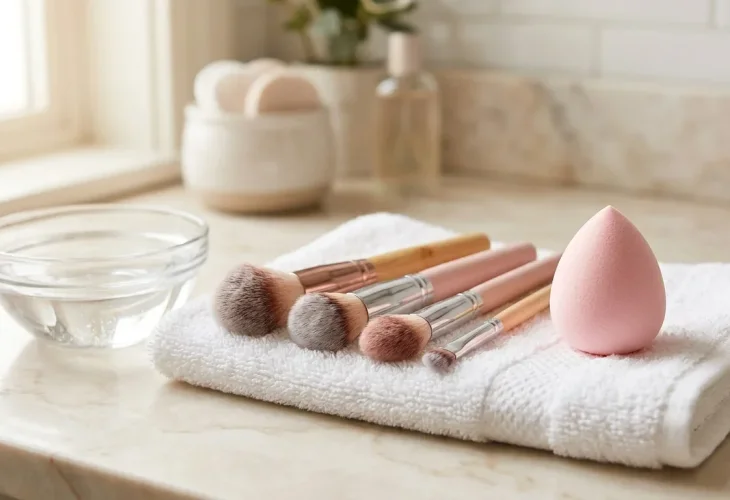
You may spend hundreds of dollars on high-quality makeup, but even the best products won't do your skin much good if you neglect to clean your makeup brushes and sponges. Dirty makeup tools can transfer bacteria to your skin, potentially causing breakouts, rashes, and infections. That's why regular cleaning is essential, and knowing how to do it correctly is just as important.
How to Clean Makeup Brushes
Begin by wetting the bristles under lukewarm running water, taking care to avoid the area where the bristles connect to the handle. In a small bowl, mix lukewarm water with a little mild soap or a cleaning solution specifically designed for makeup brushes.
Gently swirl the brush tips in the solution, then massage the bristles against the palm of your clean hand to loosen accumulated makeup, oils, and dirt. Rinse thoroughly and repeat the process until the water runs clear and no cleaning product remains.
Once the brushes are clean, gently blot away excess moisture with a clean towel. Lay them flat to dry, positioning the bristles so they extend beyond the edge of the surface, allowing air to circulate freely.
Avoid drying brushes upright with the bristles pointing upward, as water can seep into the area where the bristles attach to the handle. Over time, this can weaken the adhesive and cause the bristles to loosen or fall out.
How to Clean Makeup Sponges
Start by soaking the makeup sponge in lukewarm water. Add a small amount of liquid soap or a cleaning product specifically formulated for makeup tools, then gently massage the sponge using soft squeezing motions.
Rinse thoroughly while continuing to squeeze gently until the water runs clear and all traces of soap and makeup have been removed.
Place the sponge on a clean paper towel in a well-ventilated area and allow it to dry completely. Never return a damp sponge to a closed makeup bag, as trapped moisture can encourage microbial growth.
If you notice mold, an unusual odor that persists even after cleaning, or tears in the sponge, it's time to replace it.
Additional Tips for Keeping Makeup Tools Clean and Hygienic
Beyond regular washing, consider purchasing a disinfectant specifically formulated for makeup brushes. Follow the manufacturer's instructions carefully to ensure the product is suitable for your tools and used correctly.
It's also important to avoid sharing makeup brushes and sponges with other people. Keeping these tools for your personal use helps reduce the risk of transferring bacteria and other microorganisms from one person's skin to another.
By making proper cleaning and hygiene a regular part of your beauty routine, you can help protect your skin, reduce the risk of irritation and breakouts, and keep your makeup tools in good condition for longer.

