

Health and Nutrition
The 8-Hour Sleep Mistake You Might Be Making Every Night
Think sleeping eight hours guarantees a good night's rest? Sleep experts explain why your ideal bedtime depends on more than the clock.
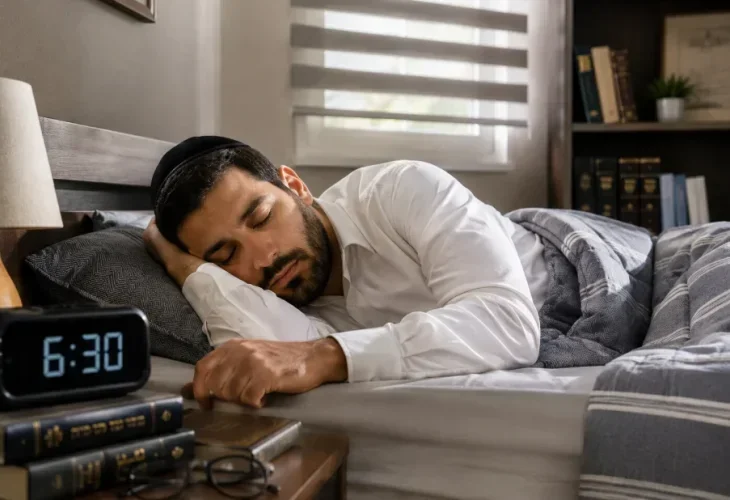
If you've ever tried to work out your ideal bedtime by counting backward from the time you need to wake up, you're not alone. Many people assume that getting into bed eight hours before their alarm goes off will guarantee a good night's sleep. But sleep specialists say this approach doesn't work for everyone because it overlooks an important factor: your body's internal biological clock.
Known as the circadian rhythm, this internal clock regulates when we naturally feel sleepy and alert. Understanding how it works may be the key to finding a bedtime that actually suits you.
Why Eight Hours Isn't the Whole Story
"Most people count backward from the time they need to wake up and assume they need eight hours of sleep, but that rarely actually works," explains Dr. Daniela Marchetti, a clinical health psychologist and behavioral sleep medicine specialist.
Our biological clock is influenced largely by exposure to sunlight, and it changes throughout our lives. Dr. Jennifer Soh, a pulmonologist and sleep specialist at the University of Maryland Medical Center, explains that adolescence brings a natural shift in the sleep cycle, making teenagers more inclined to fall asleep and wake up later.
The American Academy of Sleep Medicine and the Sleep Research Society recommend that healthy adults get at least seven hours of sleep each night. However, individual sleep needs and natural sleep schedules can vary considerably.
To discover your body's preferred sleep schedule, Dr. Ruchir Patel, founder of the Insomnia and Sleep Institute of Arizona, suggests paying attention to when you naturally fall asleep and wake up during a weekend or vacation, without using an alarm clock or consuming caffeine in the afternoon.
This can help you recognize your natural sleep patterns rather than forcing yourself into a schedule that doesn't suit your biological clock.
How to Find a Bedtime That Works for You
Trying to fall asleep before your body is ready can make getting a good night's rest more difficult. Dr. Soh warns that spending long periods lying awake in bed may actually worsen insomnia, as the brain begins to associate the bed with frustration and wakefulness rather than sleep.
Instead of staying in bed and struggling to fall asleep, experts recommend getting up for a while and returning when you genuinely feel sleepy.
Maintaining a consistent daily sleep schedule can also help regulate your internal clock. Exposure to natural light in the morning encourages wakefulness, while reducing light and keeping your bedroom dark in the evening helps prepare your body for sleep.
Ultimately, finding the right bedtime isn't simply about counting backward eight hours. It's about understanding your body's natural rhythm, getting enough sleep, and creating habits that support restful nights and more energized mornings.

