

Home Styling
Laundry Smells Bad? It's Time to Deep Clean Your Washing Machine
Your washing machine may be hiding dirt, mold and detergent buildup. Discover five simple steps to clean it properly and eliminate unpleasant odors.
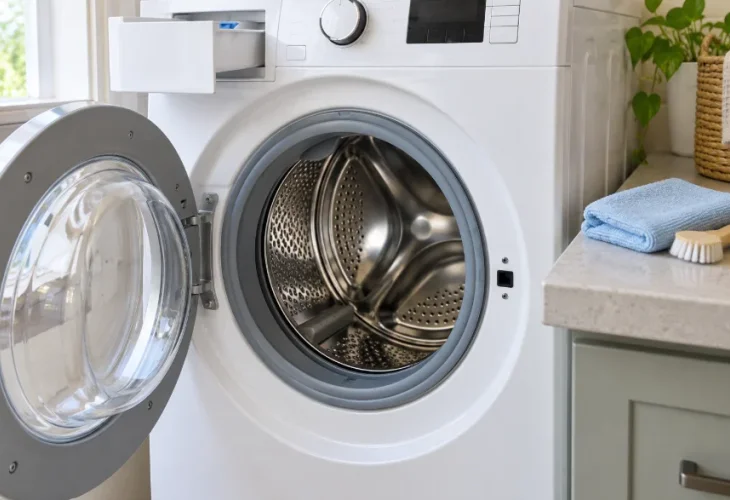
Your washing machine cleans your clothes, but it also collects plenty of dirt along the way. Detergent residue, fabric fibers, and moisture can build up in hidden areas, causing unpleasant odors and even mold. To give your washing machine a thorough cleaning, it's best to start outside the drum.
Clean the Detergent Drawer
First, turn off the washing machine and unplug it. Remove the detergent drawer according to your machine's instructions, along with any detachable parts, such as the cover of the fabric softener compartment.
Rinse the drawer with lukewarm water, using an old toothbrush to scrub dirt from the corners and hard-to-reach areas. If there is stubborn buildup, soak the drawer in lukewarm water to help loosen it.
Don't forget to clean the compartment where the drawer sits. Once everything is clean, dry the parts thoroughly before putting them back.
Remove Dirt and Mold From the Rubber Seal
In front-loading washing machines, the folds of the rubber door seal can collect hair, lint, and small items left in pockets. Gently wipe inside the folds with a damp cloth, taking care not to pull or damage the rubber.
If you notice mold, use a cleaning product approved by the manufacturer for the rubber seal. If bleach is permitted, follow the product's dilution and contact-time instructions rather than leaving it on the rubber for an extended period, as this could damage the seal.
After cleaning, wipe away any remaining residue with a damp cloth and dry the rubber thoroughly.
Clean the Filter Without Making a Mess
If your washing machine has an accessible drain pump filter, clean it according to the manufacturer's instructions.
Wait until any water inside has cooled, then place towels and a shallow container beneath the filter opening. If your machine has an emergency drain hose, use it first to release any remaining water.
Carefully open the filter, remove any trapped dirt, lint, or small objects, and rinse it clean. Once finished, reinstall it securely.
Never force open a filter that appears stuck, as this could damage the machine.
Run a Drum Cleaning Cycle
Once everything is back in place, run the washing machine's dedicated drum cleaning cycle with the drum empty.
If your machine doesn't have this setting, check the manufacturer's instructions for the recommended maintenance cycle and cleaning product.
Some machines allow the use of washing machine cleaners, while others recommend running an empty hot-water cycle. Avoid adding vinegar or bleach unless the manufacturer specifically approves them, as certain products can damage internal components.
How to Prevent Bad Odors From Returning
A few simple habits can help keep your washing machine fresh between deep cleanings.
Remove laundry as soon as the cycle finishes, wipe moisture from the rubber seal, and leave the door and detergent drawer slightly open to allow the inside to dry, provided it is safe and out of reach of small children.
It's also important to use the correct amount of detergent and fabric softener. Using too much can leave residue inside the machine, contribute to unpleasant odors, and even cause stains on your clothes.
With regular cleaning and a few small changes to your laundry routine, you can help prevent mold, reduce odors, and keep your washing machine working efficiently.

