

Hot on the Web
Meat-Flavored Tomatoes? A Teen Scientist Is Working to Make It Happen
A 17-year-old scientist is developing genetically engineered tomatoes that could taste like meat. Discover the surprising science behind her project.
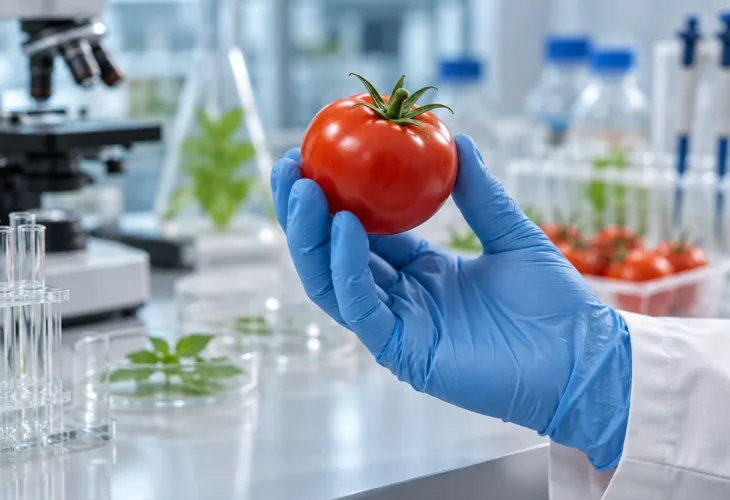
Could we one day eat tomatoes that taste like meat? Gabriella Rothberg, a 17-year-old scientist from Florida, believes it's possible.
Rothberg is developing a project called Impossible Vines, which aims to genetically engineer tomato plants to produce a molecule associated with the distinctive flavor of meat.
But her ambitions go beyond creating an unusual new food. She hopes the technology could eventually help address nutritional deficiencies, particularly in regions where access to meat is limited.
How Could a Tomato Taste Like Meat?
At the center of Rothberg's research is heme, an iron-containing molecule found naturally in living organisms. Heme plays an important role in several biological processes and contributes to the characteristic flavor and aroma of meat.
To give tomatoes similar qualities, Rothberg is experimenting with Agrobacterium, a bacterium commonly used in biotechnology to introduce genetic material into plant cells.
The goal is to explore whether genetically modified tomatoes could produce compounds associated with animal-based foods, potentially giving them a more meat-like flavor.
Rothberg has shared glimpses of her laboratory work on social media, documenting the process from preparing plant material to growing seedlings.
According to a report in the Miami New Times, she is developing the project alongside Madison Marshall, a doctoral student at the University of Miami.
Could These Tomatoes Help Prevent Iron Deficiency?
One of the most promising aspects of Rothberg's vision is the potential nutritional benefit.
Iron is an essential mineral that helps the body produce hemoglobin, the protein in red blood cells responsible for carrying oxygen. Iron deficiency can lead to anemia, causing symptoms such as fatigue and weakness.
However, not all forms of dietary iron are absorbed equally. Heme iron, found in animal-based foods, is generally absorbed more efficiently than non-heme iron, which is found in plant foods.
Rothberg hopes that if her tomatoes can eventually produce meaningful amounts of heme, they could offer an additional source of dietary iron.
She believes this could be particularly valuable in regions where meat is expensive or difficult to obtain, including for pregnant women, whose iron requirements are higher.
The technology is still in development, however, and it remains to be seen whether the modified tomatoes will produce enough heme to offer a significant nutritional benefit.
A Young Scientist With Big Ambitions
According to the report, Rothberg has already developed a business plan for Impossible Vines. In June 2026, a patent was reportedly granted in connection with the project, listing Rothberg and her father, Jonathan Rothberg, as inventors.
Her father is a scientist specializing in genetics and DNA sequencing technologies, while her mother is a physician and cancer researcher.
Although the idea of meat-flavored tomatoes may sound unusual, Rothberg's research reflects a growing interest in using biotechnology to develop plant-based foods with new flavors and nutritional properties.
Whether these tomatoes eventually reach supermarket shelves remains uncertain, but the young scientist's project offers an intriguing glimpse into what the future of food could look like.

