

Raising Children
The Parenting Habit From the 1990s That Experts Want Back
What can today's parents learn from the 1990s? Discover why giving children more freedom and allowing boredom may support their emotional development.
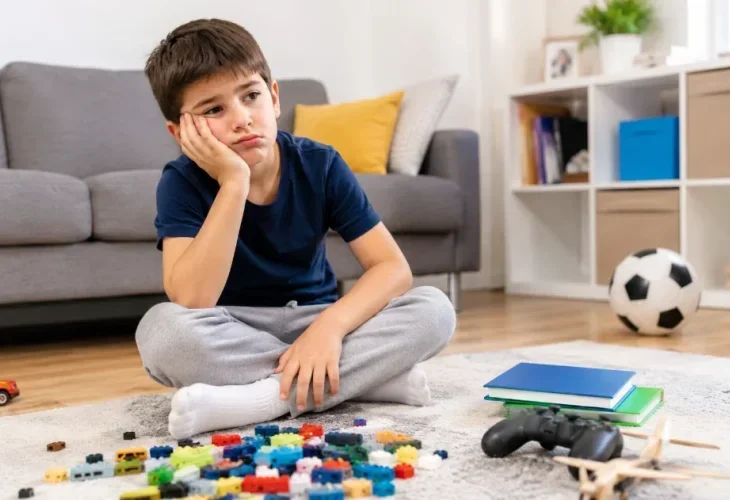
Modern parenting comes with an exhausting amount of pressure. Between after-school activities, educational programs, playdates, and weekend outings, many parents feel responsible for keeping their children constantly busy and entertained. But could all this effort actually be doing more harm than good?
Looking back at the more relaxed parenting approach common in the 1990s, when children were often left to find their own entertainment, reveals an interesting possibility: sometimes, doing less can be better for a child's development.
In the past, parents weren't necessarily expected to fill every free moment with a planned activity. When children complained that they were bored, the responsibility for finding something to do often fell on the children themselves. And according to experts, that freedom may have offered some important developmental benefits.
Why Boredom Is Actually Good for Children
According to an article published on Parade, allowing children to experience boredom can play an important role in their emotional and cognitive development.
Psychologist Dr. Amy Vigliotti explains that boredom gives children the freedom to explore their own interests, discover hidden talents, and develop a sense of curiosity without constant adult direction.
When children aren't immediately handed an activity or a solution, they have to use their imaginations and think creatively about what to do next. This encourages problem-solving skills that can benefit them throughout their lives.
Rather than viewing boredom as a problem that needs to be fixed, parents can begin to see it as an opportunity for children to develop creativity, resourcefulness, and independence.
How Doing Less Can Build Confidence and Independence
The benefits of stepping back go beyond encouraging imagination. When parents give children the space to make their own decisions, they also help them develop confidence in their judgment and abilities.
Learning to trust themselves begins with something as simple as recognizing their own needs and feelings, whether they're tired, hungry, frustrated, or bored.
Over time, this awareness can help children become more comfortable making decisions, managing difficult emotions, handling pressure, and setting healthy boundaries.
Of course, this doesn't mean parents should stop providing guidance or support. Rather, the goal is to recognize when children genuinely need help and when they might benefit from the opportunity to figure something out for themselves.
What Should Parents Do When Their Child Complains of Boredom?
Dr. Vigliotti suggests that the first step is changing the way parents think about boredom. Instead of treating it as something negative, they can recognize it as a natural and potentially valuable part of childhood.
When a child complains that there's nothing to do, parents can acknowledge their frustration without immediately suggesting a game, turning on a screen, or organizing another activity.
For example, a parent might respond with understanding while still allowing the child to decide how to spend their time.
This approach gives children the opportunity to work through their discomfort, explore their surroundings, and discover what genuinely interests them.
It may take some patience, especially for children who are accustomed to constant entertainment, but learning to tolerate occasional boredom can be an important step toward greater independence.
What Else Can We Learn From Parenting in the Past?
A study published in the Journal of Marriage and Family also highlights how family leisure patterns have changed over time, raising questions about the way modern families spend their time together.
Alongside allowing more unstructured play, parents may benefit from revisiting a few other habits associated with earlier generations.
Reducing unnecessary screen time can create more opportunities for independent play and creativity. Regular family meals provide a chance to connect, talk, and strengthen family relationships. And allowing children to work through age-appropriate disagreements with friends, rather than immediately intervening, can help them develop communication and conflict-resolution skills.
These habits can contribute to a stronger sense of family connection while helping children build the confidence and social skills they need as they grow.
Ultimately, raising happy, capable children doesn't necessarily require a packed schedule or a constant stream of activities. Sometimes, one of the most valuable things parents can offer is the freedom to be bored, explore their own ideas, and discover what they're capable of doing without someone else directing every moment.

