

Health and Nutrition
Cold Showers May Reduce Sick Days by 31%, New Study Finds
A University of Basel study involving 719 adults suggests that cold showers may improve physical and mental well-being, increase alertness, and reduce sick days
- Yitzchak Eitan
- | Updated
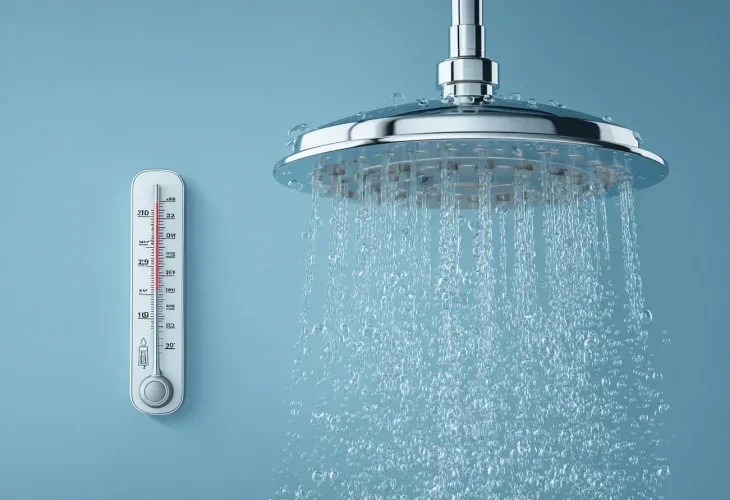
According to a study conducted at the University of Basel in Switzerland, participants who took cold showers for 12 weeks took an average of 31% fewer sick days than those in a control group and reported improvements in both their physical and mental well-being.
The study was carried out by Dr. Lena Glaser, a psychotherapist, as part of her doctoral research at the university's Faculty of Psychology. She wanted to investigate whether people are more likely to adopt new habits when those habits fit naturally into their daily routines and offer personal benefits. To explore this question, she chose cold showers.
The study involved 719 healthy adults between the ages of 18 and 65 who were not accustomed to showering in cold water. Participants were instructed to take showers using the coldest water temperature available to them for 12 weeks.
The Benefits of Sticking With Cold Showers
Many participants dropped out during the first two weeks, but the dropout rate declined afterward. "This suggests that people gradually become accustomed to it," Glaser explained.
Those who continued taking cold showers reported improvements in their physical and psychological well-being. According to Glaser, the benefits extended beyond subjective feelings and were also reflected in the number of sick days taken. Participants described feeling more alert and refreshed, as well as experiencing a sense of pride in accomplishing something uncomfortable. "Experiences like these can be motivating," she noted.
Lower Water Bills and Reduced Energy Consumption
Cold showers also offered financial and environmental advantages. Participants tended to spend less time showering, reducing their water consumption and the energy required to heat it.
According to university data, lowering the temperature of a 45-liter shower from 40°C to 15°C saves approximately 1.3 kilowatt-hours of energy. Over the 12-week study period, each participant reduced carbon dioxide emissions by approximately 15 kilograms, equivalent to the emissions associated with driving about 100 kilometers.
"Taking a cold shower isn't exactly pleasant, but it's a small change. After all, we're going to shower anyway," Glaser said. She explained that people are more motivated to maintain behavioral changes when they recognize a personal benefit and do not feel they are sacrificing something important.
How to Start Taking Cold Showers
The researchers acknowledged that they do not know whether participants continued taking cold showers after the study ended.
For those interested in trying the practice, Glaser recommends starting gradually and adjusting the water temperature according to what feels manageable on a given day. She emphasizes that even a small reduction in temperature can be beneficial and that there is no need to push oneself to extremes.

