

Israel News
Trump Weighs New Iran Strikes as Netanyahu Pushes for Joint U.S.-Israel Attack
Netanyahu reportedly urges Trump to launch a four-to-seven-day air campaign against Iran as nuclear negotiations stall, military tensions escalate, and the Strait of Hormuz crisis drives up energy prices
- Yuval Aviv
- | Updated
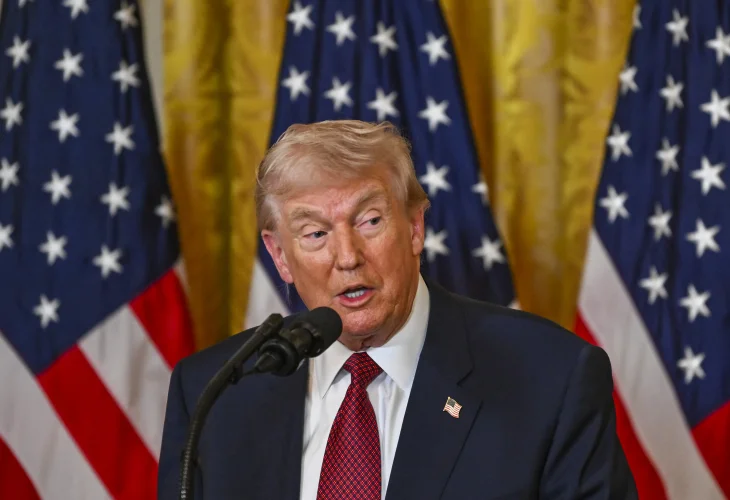 Trump (Photo: Ari Leib Abrahams, Flash90)
The possibility of renewed U.S. military strikes against Iran is growing, Bloomberg reported Thursday, citing officials familiar with the discussions. President Donald Trump is considering another round of large-scale attacks but has not yet reached a final decision. Meanwhile, Israeli Prime Minister Benjamin Netanyahu is reportedly pressing Washington to launch a joint air campaign lasting between four and seven days.
The report comes amid escalating regional tensions, following Iranian attacks on American facilities in Bahrain and Kuwait and increased attacks on vessels in the Strait of Hormuz. The United States currently maintains two aircraft carrier strike groups in the region and has imposed a naval blockade on Iran. On Tuesday, American forces also struck Qeshm Island.
Trump Reviews Intelligence as Israel Pushes for Action
According to The New York Times, Trump is weighing new intelligence indicating that Iran has accelerated efforts to rebuild its missile and drone capabilities while advancing its chemical and biological weapons programs. Netanyahu, meanwhile, reportedly believes that additional military action is necessary unless Tehran agrees to abandon its nuclear program. The Israeli prime minister is seeking American cooperation in a sustained aerial campaign aimed at further weakening Iran's military capabilities.
However, the prospect of renewed strikes presents significant political and diplomatic challenges for Washington. Trump is facing domestic pressure following Republican losses in the midterm elections, to which the war reportedly contributed. European and Gulf countries are also urging restraint, fearing further Iranian retaliation and a repeat of the disruptions experienced during the previous military campaign, which lasted from late February to early April.
Diplomatic Talks Fail to Produce Breakthrough
Despite the growing threat of military escalation, diplomatic efforts are continuing. Qatar remains involved in mediation, although a meeting between senior Qatari officials and Iranian Foreign Minister Abbas Araghchi in Oman ended without a breakthrough.
Iran is demanding an end to the American naval blockade, sanctions relief, and the unfreezing of Iranian assets. Washington, however, continues to insist on concessions regarding Tehran's nuclear program. The disagreement has left negotiations at an impasse, with neither side appearing willing to make the concessions necessary to reach an agreement.
Iran's Economy Struggles as Oil Prices Remain Elevated
The American naval blockade is already placing significant pressure on Iran's economy, where inflation is approaching 90% and the national currency continues to weaken.
The regional confrontation is also affecting international energy markets. European natural gas prices have risen by approximately 3%, while Brent crude oil is trading at $92.60 per barrel. Although that represents a decline from roughly $117 before the U.S. midterm elections, oil prices remain more than 50% higher than at the beginning of the year.
Without a diplomatic agreement, Iran could continue exerting pressure on shipping through the Strait of Hormuz, one of the world's most important energy transportation routes. As Trump considers his next move, Washington must weigh the risks of renewed military action against the possibility of further negotiations, with Iran's nuclear program and regional security remaining central concerns.
 Israel NewsIsrael Says It’s Being Kept in the Loop as U.S.-Iran Talks Move Toward a Draft Deal
 Israel NewsIran Offers 7-Day Plan To Reopen The Strait Of Hormuz
 Israel NewsIsrael: "The Americans Didn’t Surprise Us"—Netanyahu in Near-Daily Talks With Trump on Iran
 Israel NewsReport: US and Israel Consider Renewed Strikes on Iran After Midterms

