

World News
Iran Calls for Preemptive Strike as Tensions Escalate Over US Naval Blockade
Iranian officials threaten attacks on Gulf oil facilities as dozens of tankers gather near the US blockade, raising fears of a wider regional conflict
- Shlomi Diaz
- | Updated
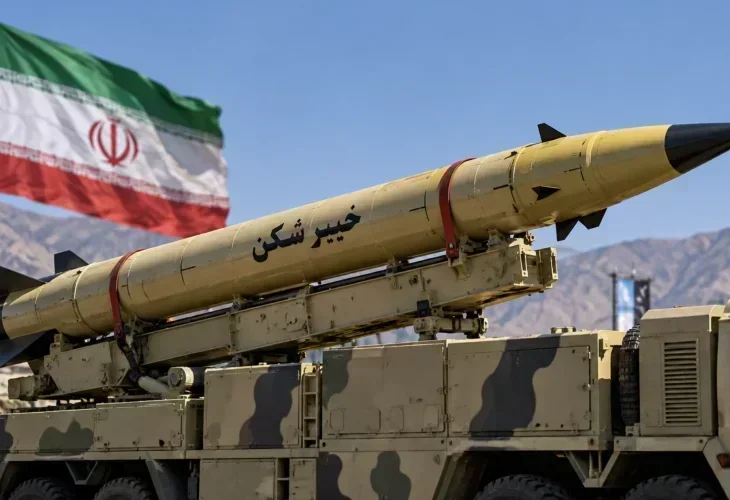
An influential Iranian newspaper called Sunday for a preemptive military strike against Iran's adversaries, as tensions escalate over the US naval blockade and growing threats against energy infrastructure in the Persian Gulf.
"If war is inevitable, why shouldn't we strike the first blow?" declared a front-page headline in Kayhan, one of Iran's leading newspapers.
The accompanying article argued that Iran should not wait to be attacked, citing the experience of two previous wars that broke out during negotiations. It called for strikes against energy infrastructure, oil tankers, and internet cables without geographic restrictions, with the aim of inflicting crippling damage on Iran's enemies and their allies.
Dozens of Iranian Oil Tankers Gather Near US Blockade
The United States, Israel, and Gulf states are closely monitoring the movements of Iranian oil tankers loaded at ports near the Strait of Hormuz. American media outlets cited US military officials who reported identifying approximately 20 oil tankers near Kharg Island.
Maritime intelligence company Windward reportedly identified another 31 loaded Iranian tankers in the Persian Gulf over the past week, positioned between Kharg Island and the US military's blockade line.
Meanwhile, calls are growing in Tehran to challenge the American naval blockade by sending a convoy of oil tankers through the restricted waters. Iran's Islamic Revolutionary Guard Corps (IRGC) has warned that any US naval action against tankers leaving Iranian ports would trigger retaliatory attacks on oil facilities in Gulf states.
Iran Threatens Gulf Energy Facilities if Tankers Are Attacked
The Fars News Agency, which is affiliated with the Revolutionary Guards, called for the dispatch of an oil tanker convoy and warned that any attack on the vessels would prompt Iranian strikes against energy facilities in Saudi Arabia, the United Arab Emirates, and Qatar. Other Iranian reports also identified Kuwait, Oman, and Bahrain as potential targets.
IRGC spokesperson Hossein Mohabi declared that Iran would not allow the blockade to continue, while Foreign Minister Abbas Araghchi also called for breaking through the American restrictions.
US Tightens Enforcement of Naval Blockade
The United States initially imposed a naval blockade on Iran in April 2026. The blockade was lifted in June but reinstated in July following the collapse of understandings between Washington and Tehran.
This week, the US military tightened its enforcement measures, warning that tankers receiving Iranian oil through ship-to-ship transfers at sea could also be considered in violation of the blockade.
Since the blockade was first imposed, US forces have reportedly used military force against several Iranian vessels attempting to breach the restrictions, further heightening concerns that a confrontation at sea could escalate into a broader regional conflict.
 World NewsKuwait Says It Foiled Iranian Revolutionary Guards Landing on Strategic Bubiyan Island
 World NewsTrump: "Hit Them Hard"; U.S. Strikes Iran for the Ninth Straight Night
 World NewsU.S. Ultimatum to Iran: Sign by Tuesday Night or the Bombing Resumes
 World NewsIran’s New Supreme Leader Threatens the U.S.: "Americans Belong in the Depths of the Persian Gulf"

