

World News
Subscription Traps: How Hidden Charges Are Costing Consumers Billions
Regulators in New Zealand, Europe, and the UK are cracking down on misleading subscription practices as consumers face unwanted renewals, hidden fees, and difficult cancellation processes
- Yitzchak Eitan
- | Updated
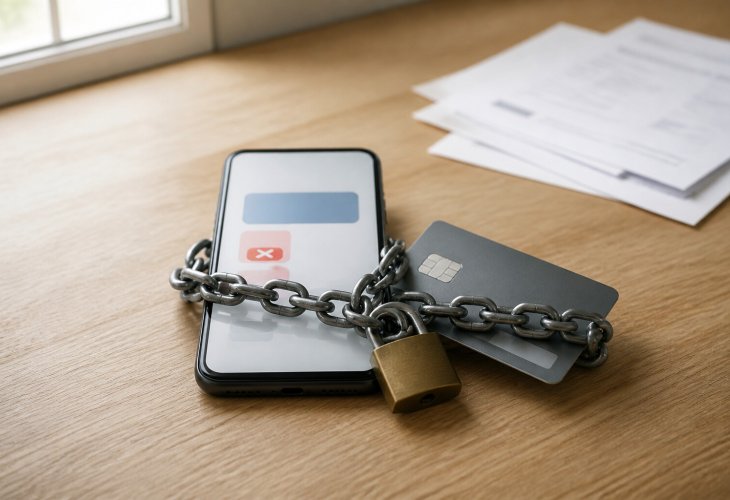
We've all encountered the familiar marketing tactic: a free trial or an introductory offer that costs almost nothing for the first month. Signing up takes just a minute, your credit card details are saved, and before you know it, the regular monthly charges begin.
But when you try to cancel, things suddenly become complicated. Customer service is impossible to reach, the cancellation button is buried deep within the website, or a tempting "special offer" leads you straight back into the same arrangement. This increasingly common practice is known as a "subscription trap."
HelloFresh Fined for Reactivating Canceled Subscriptions
A recent analysis published in New Zealand highlighted the case of meal-kit company HelloFresh as a warning to businesses nationwide. The company was fined NZ$845,000 after contacting former customers under the guise of a satisfaction survey and offering vouchers without clearly explaining that accepting them would reactivate their paid subscriptions. As a result, 89,156 canceled subscriptions were reactivated, with customers charged without their explicit consent. More than 1,100 customers were subsequently referred to debt collectors.
Official figures in New Zealand show that complaints about subscription traps have increased eightfold over three years, with more than half of complaints in the past year involving difficulties canceling subscriptions. A survey conducted by the country's consumer advocacy organization found that nearly 30% of respondents had continued paying for subscriptions simply because canceling was too difficult.
New Zealand's Consumer Affairs Minister emphasized that subscription cancellations should generally be easy and straightforward.
Europe and UK Move to Strengthen Consumer Protections
Regulators in Europe are also taking steps to address the problem. This month, the European Commission introduced a legislative proposal aimed at making subscription cancellations easier and preventing consumers from being caught in unwanted recurring payments. Under the proposed rules, businesses would be required to remind customers before free trials convert into paid subscriptions, while automatic renewals would require an active, informed choice by the consumer.
Meanwhile, new subscription regulations are scheduled to take effect in the United Kingdom in January 2027. According to British government figures, consumers currently hold approximately 9.7 million unwanted subscriptions, costing them an estimated £1.6 billion annually.
The developments reflect growing regulatory pressure on companies to make subscription terms transparent and cancellation procedures as straightforward as signing up. For consumers, the message is clear: A seemingly attractive introductory offer can become an expensive commitment if the terms of renewal and cancellation are not carefully understood.
 InterestingHidden Subscriptions Draining Your Money? 5 Simple Ways to Save
 World NewsEuropean, Arab Officials Meet in Paris to Discuss UNIFIL Replacement
 World NewsHungary’s Shock Upset: Orbán Out After 16 Years as Peter Magyar Wins Supermajority
 World NewsA Ukraine Independence Day Boost: Billions From Europe and Access to SCALP Missiles

