

Health and Nutrition
Should You Eat Breakfast If You're Not Hungry?
Is it better to eat breakfast early or wait until you're hungry? Discover a dietitian's advice on meal timing, energy levels, and five healthy make-ahead breakfast ideas
- Shira Priant
- | Updated

Breakfast has been called "the most important meal of the day" for decades, but what if you simply aren't hungry when you wake up? Is it necessary to force yourself to eat a substantial breakfast or drink a nutritious smoothie to keep your metabolism functioning properly, or is it perfectly fine to listen to your body's natural hunger signals?
In an article published by Real Simple, registered dietitian Theresa Link explains when it's reasonable to wait until you're hungry and when eating breakfast earlier may be the better choice.
When Is It Better to Wait Until You're Hungry?
For most healthy adults, there's no need to rush into eating breakfast immediately after waking up. If you don't feel hungry, waiting until your appetite develops can be a perfectly reasonable approach.
"If you're not taking blood sugar-lowering medications or medications that require a strict morning schedule, you can wait to eat until you feel naturally hungry," Link explains. She notes that delaying the first meal of the day can be a safe and healthy option for many people, depending on their lifestyle, personal goals, and metabolic health.
However, waiting until you're hungry doesn't mean waiting until you're absolutely starving. According to Link, extreme hunger can trigger intense cravings for quickly available carbohydrates, making highly processed convenience foods particularly tempting. When hunger becomes overwhelming, you may find yourself reaching for sugary cereals, pastries, or other refined carbohydrates.
Depending on the meal and your individual blood sugar response, these foods may cause a rapid rise in blood glucose followed by an increase in insulin levels, potentially contributing to an energy slump later in the day.
Instead, Link recommends preparing a balanced breakfast that combines whole-food sources of carbohydrates, protein, and healthy fats. Having it ready in advance makes it easier to eat when hunger strikes, whether that's at 7 a.m. or 11 a.m. Good options include scrambled eggs with vegetables and avocado or plain Greek yogurt topped with berries and walnuts, which can promote longer-lasting fullness and more stable energy levels.
When Should You Eat Breakfast Earlier?
The ideal time to eat breakfast varies from person to person and may even change from day to day. "The effect of breakfast on your daily energy and appetite is individual and depends much more on what you eat than when you eat," Link explains.
Some people can comfortably skip breakfast without noticing any negative effects, particularly when their overall diet is balanced. Others may benefit from eating earlier because of health conditions, medication requirements, or a demanding daily schedule.
Certain medications must be taken with food to support proper absorption or prevent stomach irritation. People with diabetes may also need to follow a specific meal schedule to manage blood sugar safely, particularly if they take medications that can cause hypoglycemia.
For those planning an early-morning workout, Link recommends eating beforehand to reduce the possibility of low blood sugar during exercise, although individual needs vary depending on the activity and overall health. Additionally, those who struggle with intense morning cravings or impulsive eating may benefit from a protein-rich breakfast before becoming extremely hungry, helping regulate appetite and reduce the likelihood of overeating later.
5 Healthy Make-Ahead Breakfast Ideas
If you prefer to wait until you're hungry, preparing breakfast in advance can make it easier to choose something nutritious instead of grabbing whatever is most convenient. Following are five balanced options rich in protein, healthy fats, and other important nutrients.
1. Vegetable and Feta Egg Muffins With Avocado
These savory egg muffins are easy to prepare ahead of time and make a convenient, protein-rich breakfast. Whisk together 6–8 eggs with salt, pepper, a little crumbled feta cheese, and chopped vegetables such as spinach, red bell pepper, scallions, or grated zucchini. Divide the mixture among the cups of a greased muffin tin and bake at 180°C (350°F) for approximately 20 minutes, or until the eggs are fully set.
Serve warm or cold with half a sliced avocado for healthy fats and added satisfaction.

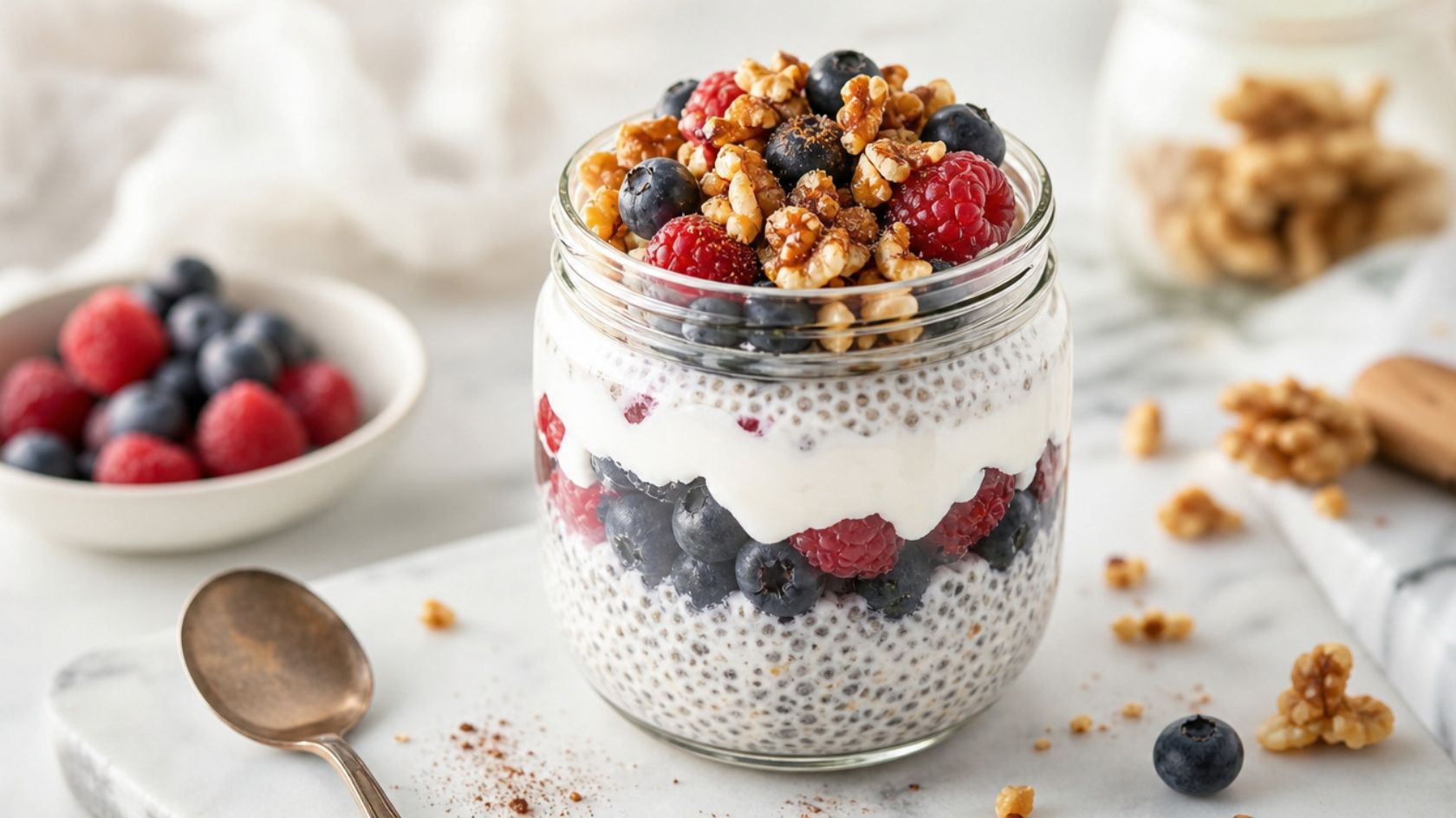
2. Greek Yogurt and Chia Seed Pudding
This creamy breakfast has a cheesecake-like texture and can be prepared the night before. Combine 3 tablespoons of chia seeds with ½ cup of regular milk or unsweetened plant-based milk in a jar. Stir well and refrigerate overnight.
In the morning, top with a serving of plain, protein-rich Greek yogurt. Add walnuts or sliced almonds, fresh or frozen berries, and a sprinkle of cinnamon for extra flavor and texture.
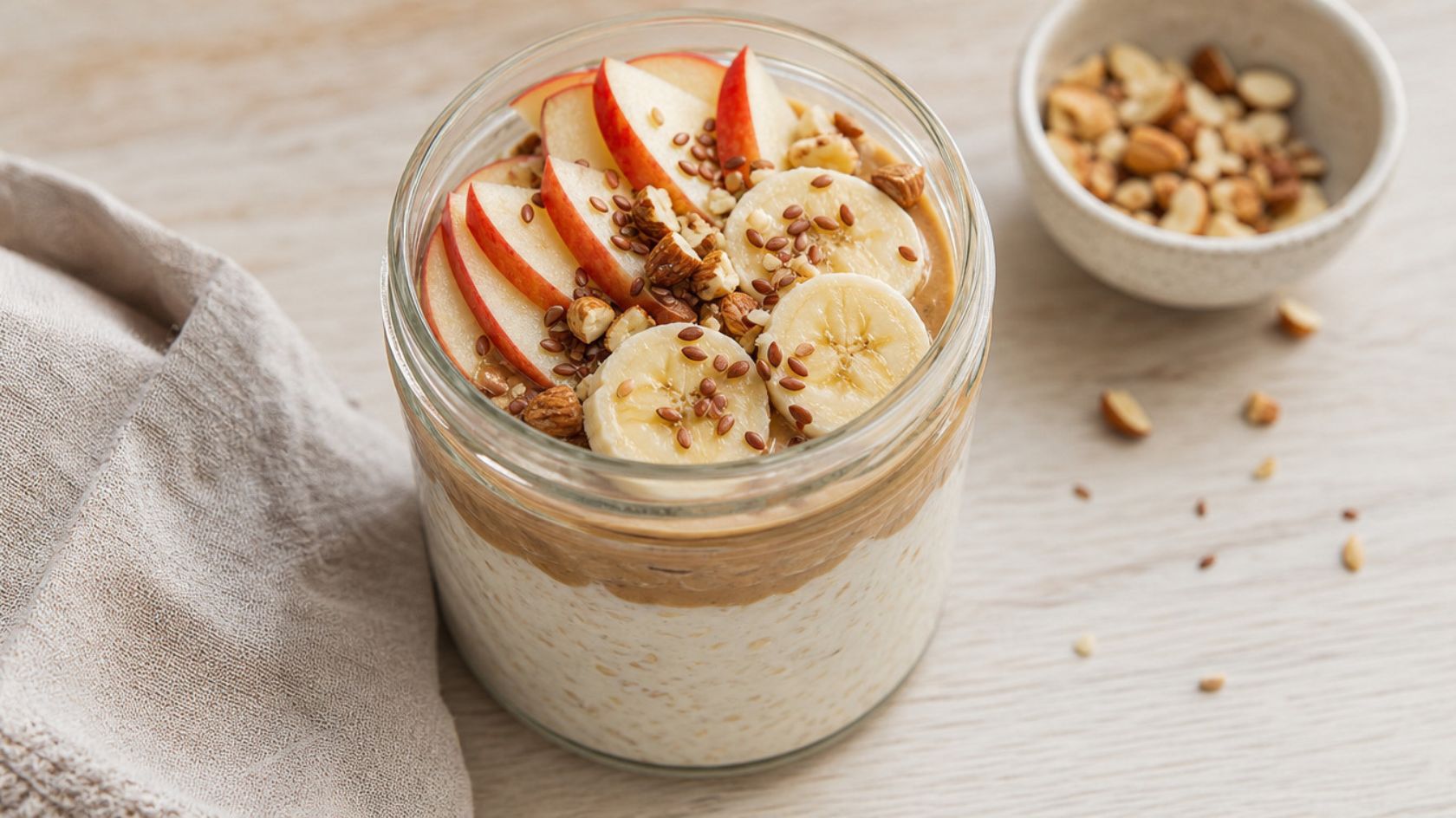
3. Overnight Oats With Almond Butter
Overnight oats provide a satisfying combination of fiber, protein, and healthy fats. In a jar, mix ½ cup of rolled oats, ½ cup of milk, a generous tablespoon of Greek yogurt, and 1 teaspoon of ground flaxseed. Refrigerate overnight to allow the oats to soften.
Before eating, stir in a tablespoon of natural almond butter or peanut butter and top with sliced apple or a small banana.
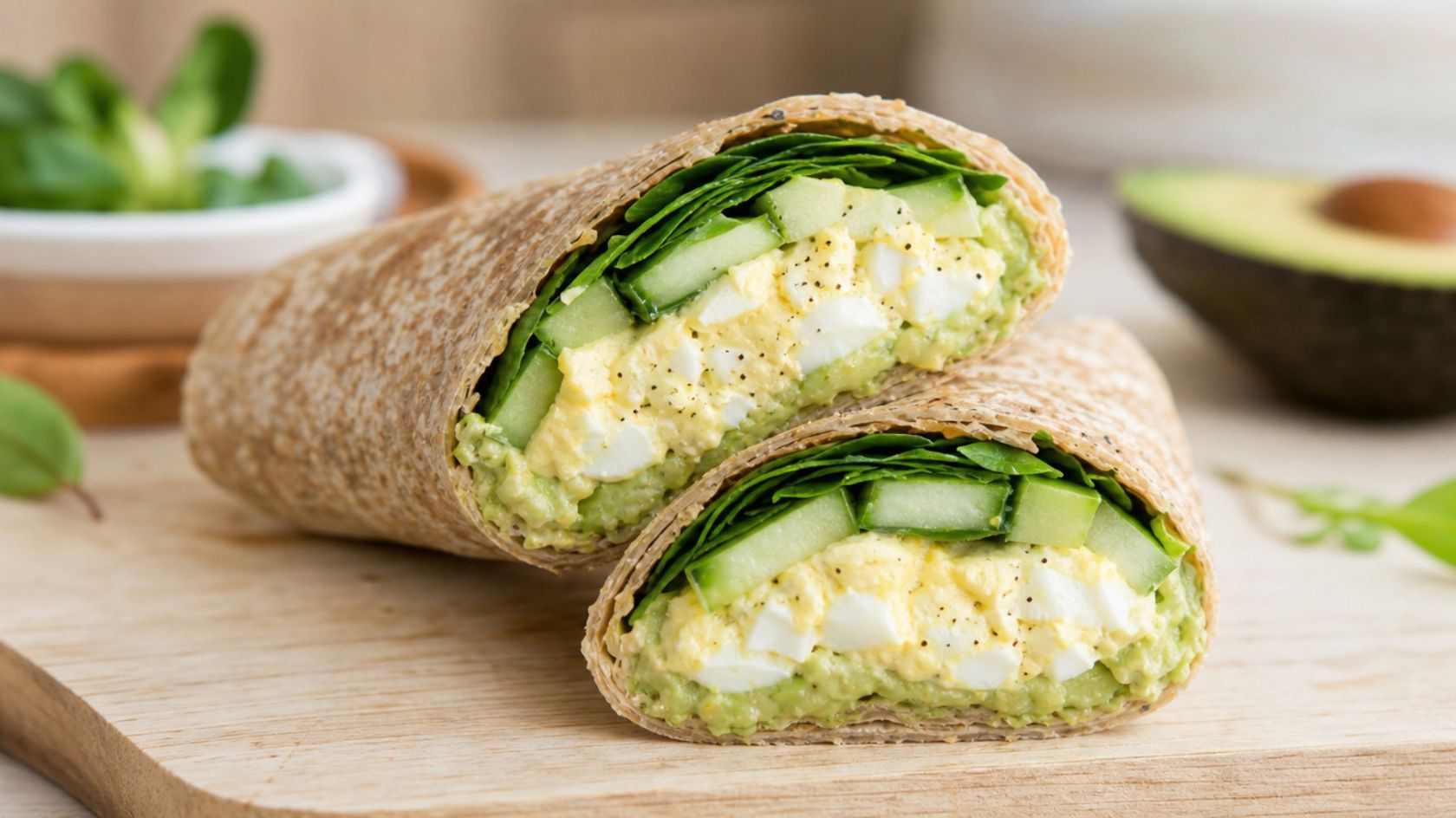
4. Whole-Wheat Wrap With Egg Salad or Tuna and Avocado
For a savory breakfast that's easy to take on the go, prepare an egg or tuna salad in advance. Combine grated hard-boiled eggs or tuna packed in olive oil with mashed avocado instead of mayonnaise. Add a little lemon juice, chopped chives, and salt to taste.
Store the mixture in an airtight container in the refrigerator. When ready to eat, spread the filling onto a whole-wheat or spelt tortilla, add baby greens or sliced cucumber, and roll it into a wrap.
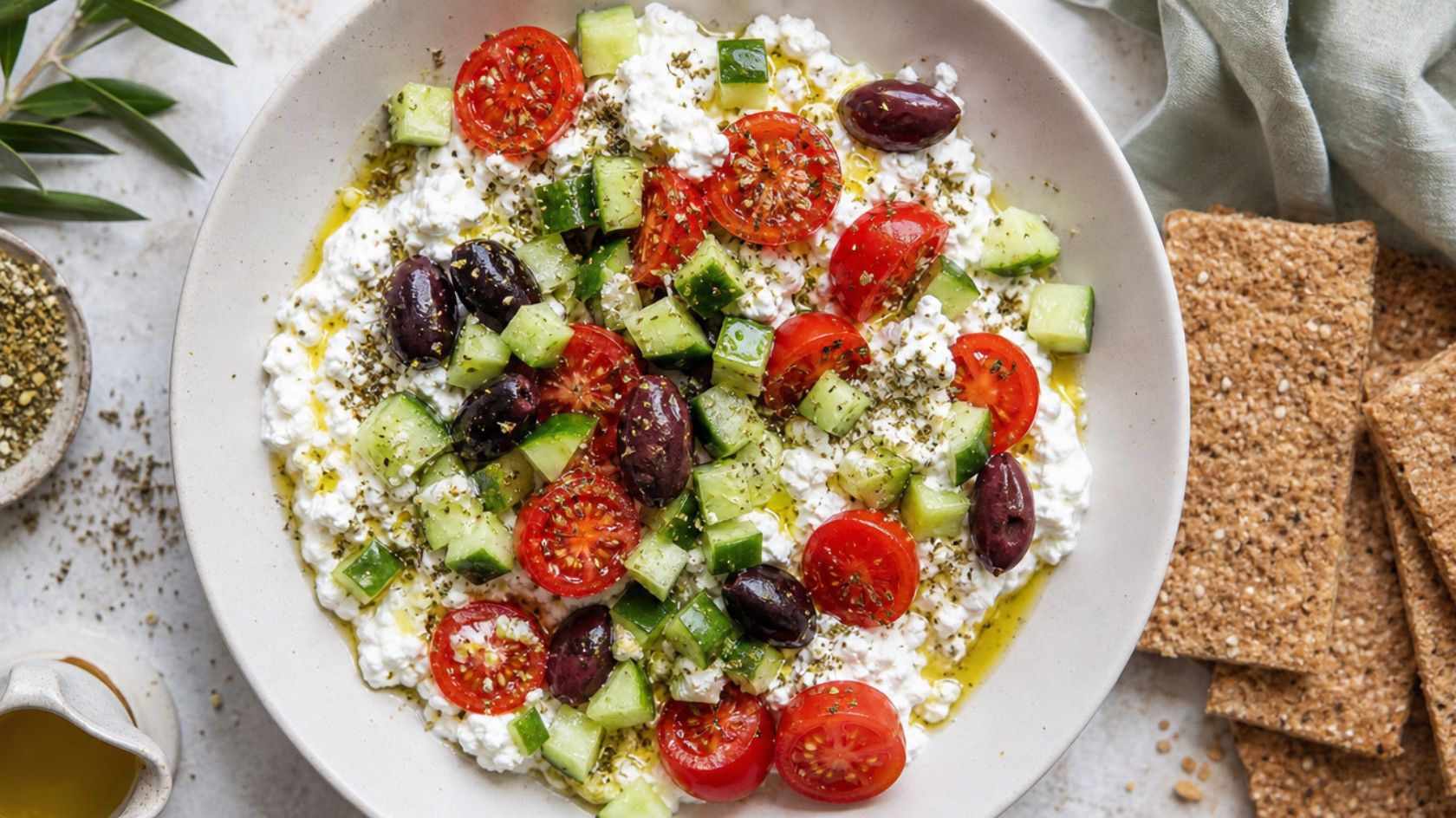
5. Mediterranean Cottage Cheese Breakfast Bowl
This simple, savory breakfast requires almost no preparation and provides a substantial amount of protein. Place a container of 5% or 9% cottage cheese in a bowl or food storage container. A typical container provides approximately 25 grams of protein, depending on the brand and serving size.
Add halved cherry tomatoes, pitted Kalamata olives, and diced cucumber. Just before serving, drizzle with a tablespoon of extra-virgin olive oil and sprinkle with za'atar or dried oregano. Enjoy with whole-grain crackers or seed crackers for a balanced, Mediterranean-inspired breakfast.
The Bottom Line: Listen to Your Body
There's no universal rule requiring everyone to eat breakfast immediately after waking up. For many healthy adults, waiting until hunger naturally develops is perfectly reasonable. What matters most is maintaining a balanced diet, choosing satisfying foods, and recognizing when your health or daily activities call for a more structured eating schedule.
Rather than focusing on the clock, pay attention to your body's needs and make sure that whenever you choose to eat, your breakfast provides the nourishment and energy you need.
 Health and NutritionHealthy Eating Made Easy: Simple Meal Prep Tips for Busy Days
 Health and NutritionThe Morning Habit That Could Be Putting Your Heart at Risk
 Health and NutritionAre We Eating Too Much Protein? New Research Raises Questions
 Health and NutritionCan Greek Yogurt Help You Sleep Better? Dietitians Recommend This Bedtime Snack

