

Jewish Law
Revealing a Loved One’s Illness: When Is It Halachically Permitted?
Rav Yitzchak Zilberstein’s powerful ruling on secrets, prayer, and parental blessings
- Rabbi Erez Hazani
- | Updated
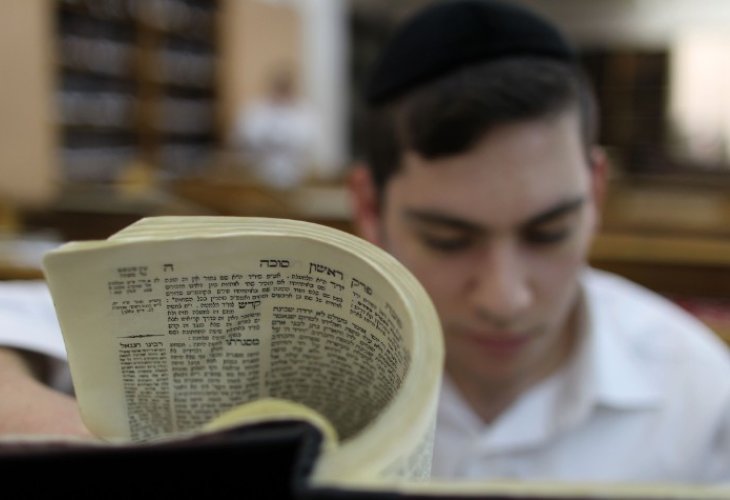
A man presented Rabbi Yitzchak Zilberstein, with a deeply painful question:
My wife, around forty years old, has been diagnosed with a serious illness, may Heaven have mercy. She asked me — and the doctor, not to tell anyone about her condition. However, I thought it would be very appropriate to tell her father, a deeply God-fearing man whose prayers come from the depths of his soul. Perhaps in the merit of his heartfelt prayers for his daughter, Hashem will have mercy on us. But if I tell him, I will be revealing a secret my wife explicitly forbade me to share. May I inform her father so that he can pray for her?
* * *
Revealing a secret is a grave prohibition. Scripture states: “One who goes about as a talebearer reveals secrets.” (Mishlei 20:19)
The Talmud (Yoma 4b) teaches: One may not repeat something told to him unless the speaker explicitly says: “Go and say it.”
In early holy writings it is stated that: One who reveals another person’s secret without permission may be reincarnated as a mute.
The Chofetz Chaim (Laws of Rechilut 8:5) writes: “A person is obligated to conceal any secret shared with him privately…
Revealing it may harm the one who shared it, undermines his plans, violates modesty, and transgresses the owner’s trust.”
The Extraordinary Power of a Father’s Prayer
The Torah states: “Lavan arose early in the morning, kissed his sons and daughters, and blessed them.” (Bereishit 32:1)
The Sforno comments: The Torah teaches us that a parent’s blessing, offered with all his heart, has special power to take effect.
The Tur HaAruch on “Honor your father and mother, so that they will lengthen your days” explains: It should have said “they will lengthen.” Instead, it says “they will lengthen your days,” meaning: When a child honors his parents, they pray for him — and through their prayers, his days are lengthened. Thus we learn that a father’s prayer for his child is powerful and likely to be accepted.
Therefore, telling the father so he can pray may indeed be of great value. It is reasonable to assume that if the daughter understood the power of her father’s prayer, she would agree that he be told.
A Painful Story
A widow had one remaining comfort in life — her only son. She sent him to yeshiva, but after some time he became ill. Doctors discovered a terminal disease.
The rabbis of the yeshiva were torn:
Should they tell the widowed mother, causing her terrible anguish?
Or should they shield her from pain, since she could not practically help?
They chose to keep it from her and cared for the boy with great devotion. After a month, the boy passed away.
At the funeral, the grieving mother said: “I thank the rabbis for caring for my son. But by hiding his illness from me, you deprived him of a mother’s prayer. Perhaps my prayers, the prayers of a mother for her only child, would have torn open the Heavens and overturned the decree…”
What If Revealing the Illness Will Harm the Father?
Despite the power of a parent’s prayer: If informing the father would cause serious harm to his physical or emotional health, it is forbidden to reveal the illness.
In such a case:
One must hide the information.
If, Heaven forbid, the situation worsens later, the news can be shared only when truly necessary — “Sufficient unto the moment is its own sorrow.”
A story is told about Rav Chaim Zilberstein: When he became ill and lost significant weight, he wore two suits layered together so that his frail father — who himself was ill, would not discover his son’s condition and be harmed by the shock.

