

Tu Bishvat
“For Man Is Like the Tree of the Field”: Life Lessons of Tu b'Shevat
What trees teach us about spiritual development, purpose, and true happiness in Jewish thought
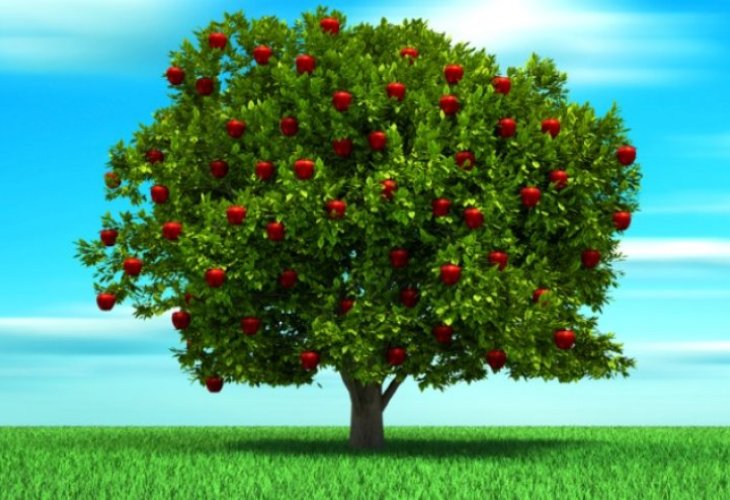 (Photo: shutterstock)
The Torah teaches us, “For man is like the tree of the field” (Devarim 20:19). What do a person and a tree have in common? Why does the Torah specifically compare a human being to a tree, and what beautiful messages can each of us take from this metaphor into our own lives?
Blooming and Shedding: Summer and Winter
What is the difference between summer and winter?
Light – In summer, the days are long and the nights are short; in winter, the days are short and the nights are long. In other words, there is more light in summer and less light in winter.
Warmth – Summer is warm, winter is cold.
As winter approaches, trees begin to shed their leaves because the weather changes. The tree “feels” that the days are getting shorter, that it receives less light and less warmth, and it begins to change. The tree “realizes” that it can no longer sustain all its leaves, so it sheds them, enters a kind of winter dormancy, and appears lifeless. When Tu B'Shvat arrives, the weather slowly begins to shift — the days grow longer and warmer.
This natural process carries a powerful lesson for us. When we see a person lacking joy, who seems lifeless — without “leaves,” without energy, withdrawn and extinguished, what does that tell us? That something is missing. Just like the tree: warmth and light. When you begin to give that person warmth and light, you will see them bloom again.
What is warmth for a person? A warm, loving attitude. A kind word, appreciation, genuine encouragement: “You matter. You are loved. You are capable of things others cannot do.” When someone is depressed and another person greets them warmly, encourages them, and helps them recognize their true worth, that person begins to bloom. Just as on Tu B'Shvat the tree begins to produce new leaves, because it receives more warmth.
What is the light every soul needs? “For a mitzvah is a lamp and Torah is light” (Mishlei 6:23). The Torah is compared to light. When a person engages in Torah, light enters the soul. Change begins — greater inner depth, more joy, more sensitivity to others. A person who studies Torah does not only become wiser; their character transforms. What is the secret? God embedded spiritual illumination within the words of Torah. When a person contemplates Torah, they connect to a channel of divine abundance, drawing that spiritual light into themselves.
The Torah itself contains light that illuminates the soul — and that is why a person begins to change. Whenever you identify sadness in yourself or in another — wilted, extinguished, or dormant, know that, like a tree, something is missing: warmth and light. Help them recognize their value, teach them how important they are, make them aware of their true strengths. When a person recognizes their worth, remains humble, and connects to divine light through Torah, they receive warmth and light. That is their personal Tu B'Shvat — a moment when they begin once again to bloom, flourish, and grow.
Patience in Spiritual Growth
Just as it makes no sense to measure a tree every day to see how much it has grown — because growth is visible only over time, so too spiritual growth cannot be measured daily. A person may not immediately notice change and may fall into despair.
In life, we often feel that we are investing effort after effort in serving God, yet outwardly nothing seems to change. Sometimes there is a gap between the moment of action and the moment when results become visible — just like the growth of a tree. Even if you invested in spiritual work once or twice and saw no dramatic change, remember that growth requires patience and persistence. Every drop of water matters. Every small step has an impact. You may not notice the difference right away, but the growth is happening. The key is not to give up. Continue serving God with strength, keep fighting, guard yourself from falling, and in the end, you will succeed.
Connection to the Source of Life
What distinguishes plants from humans and animals is that plants never conceal their source of life. A plant constantly demonstrates its connection to the soil, drawing its vitality from it. If it is cut off from the ground, it withers and dies.
The same is true with us. When we are connected to our source of life — the Creator, we truly live and merit a high quality of life in this world and the next. When we are disconnected from our source, we may appear alive, but in truth we are withering, fading, and dying from within.
God is our source of life. He wants us to remain connected to Him. This bond is essential and vital. Without it, a person becomes lost, losing both purpose and direction.
Repairing the World Through Giving
Perhaps the most striking quality of trees in general, and fruit trees in particular, is their endless giving — without ego, without asking, “What’s in it for me?” or “What do I gain?” Human nature is often driven by the pursuit of personal pleasure and self-interest. Yet the repair of the world, and of ourselves, comes precisely through overcoming that innate ego and learning to give to others without expecting a reward.
Unlike people, who constantly calculate costs and benefits, trees simply give. One provides shade on a scorching day, another offers juicy fruit for a salad, and a third becomes paper or a bookshelf. As Tu B'Shvat approaches, we are invited to look at the trees and learn from them the secret of giving — how to bring joy and enrichment to those around us without seeking anything in return.
The Torah teaches that true happiness belongs to those who give of themselves to others and share their goodness. Obsessive self-focus inevitably leads to loneliness and despair, while genuine giving hides within it the greatest joy and the deepest personal repair.
Education From the Very Beginning
Sometimes we encounter a tree that has grown crooked, and we regret that it was not properly cared for in its youth. The ability to straighten a trunk exists only while the tree is young and flexible. Once it grows crooked, the deviation only worsens with time.
So it is with people. Education and nurturing begin at birth. A child must be protected, properly nourished, kept clean, shielded from harm and negative influences, and given spiritual tools to face life’s challenges. Every parent receives a child as a divine trust — a delicate sapling, and must do their utmost to help that child grow straight and eventually bear fruit: Torah, mitzvot, and good deeds.
Process Versus Outcome
Tu B'Shvat is the New Year for Trees, yet it seems strange — it arrives in the middle of winter, when the trees appear dry and bare, perhaps with only the almond tree blooming. Why declare a “New Year” now?
Rashi explains that by this time, most of the year’s rains have already fallen, sap begins to rise in the trees, and fruit formation starts — though it is not yet visible. Any fruit that begins forming after Tu B'Shvat belongs to the new year.
The fruit we will see in spring actually begins its growth now. The sages chose to sanctify the process, not the visible result. That is the essence of Tu B'Shvat. We may not see anything yet. The outcome may come months later — but the process itself matters.
So too in serving God. God certainly wants us to bear fruit — mitzvot and good deeds, but the process of repentance and inner change is itself precious and highly valued. Each time we examine our ways, identify where we slipped, and correct our path, our bond with God deepens and strengthens.
Contemplating the Trees
Tu B'Shvat is an ideal time to contemplate trees and learn from divine wisdom.
For example, every seed planted in the ground eventually rots. And yet, from that decay emerges a fruit-bearing tree. Consider how certain fruits and vegetables resemble the human organs they benefit. Walnuts, for instance, strikingly resemble the human brain — and indeed contain nutrients essential for brain function.
Finally, consider the breathtaking diversity of flowers — their symmetry, colors, fragrances. Despite all modern technology, even the greatest laboratories cannot create a single fruit seed. And yet a plant produces fruit using only sunlight, water, air, and a bit of soil.
Is it possible that such astonishing wisdom and design exist without a Designer?
Happy Tu B'Shvat!

