

Health and Nutrition
10 Facts About Watermelon
Although it is widely known that it contains over 90% water, it’s time to uncover some surprising facts: it’s rich in vitamins A and C, contains an antioxidant also found in tomatoes, and is even mentioned in the Bible.
- Hidabroot
- | Updated
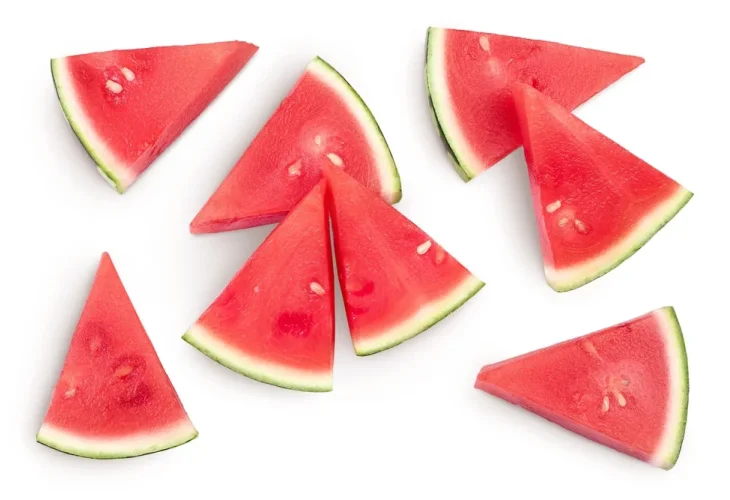
- The watermelon is an ancient fruit in our land. It is juicy and sweet and is highly recommended for enjoyment and nourishment. It is mentioned once in the Bible: “We remember the cucumbers and the watermelons” (Numbers 11). It turns out that even in ancient Egypt, people were well aware of watermelon’s beneficial properties and enjoyed it.
In Africa and other warm regions, watermelon grows as a wild plant. In our country, it is cultivated under supervision, and several high-quality varieties, both with and without seeds, are commonly found in the markets. In Arabic, it is called Bateekh al-Ahmar (“the red watermelon”), in contrast to melon, which is called Bateekh al-Asfar (“the yellow watermelon”).
Watermelon belongs to the Cucurbitaceae family. It is an annual plant with large, light-yellow flowers.
Watermelon is composed mainly of water (about 92 percent) and sugars. It is a good source of vitamin B6, vitamin B1, potassium, sodium, magnesium, and dietary fiber.
Beyond the vitamins already mentioned, watermelon is especially rich in vitamins A and C. One cup of watermelon provides 24.3% of the recommended daily intake of vitamin C and 11.1% of the recommended daily intake of vitamin A, through its beta-carotene content (beta-carotene is used by the body to produce vitamin A).
Watermelon also contains the powerful antioxidant lycopene, which is also found in tomatoes. Lycopene belongs to the carotenoid family and, according to medical research, helps reduce the risk of prostate cancer.
Another benefit attributed to watermelon is protection against heart and cardiovascular diseases. Recent studies also suggest that watermelon may help protect the body from air pollution, support brain function, and promote eye health.
Watermelon can be grown in both irrigated fields and dry fields, where the fruit grows relying only on dew. Watermelon grown in dry fields is considered tastier and juicier.
Watermelon is recommended for cleansing sand and stones that accumulate in the body, for preventing dehydration and fluid deficiencies, and for supporting kidney and urinary tract health. It also helps purify the blood and remove toxins absorbed in the body, making it especially beneficial for smokers.
The blessing for watermelon is Borei Pri Ha’adamah.

